
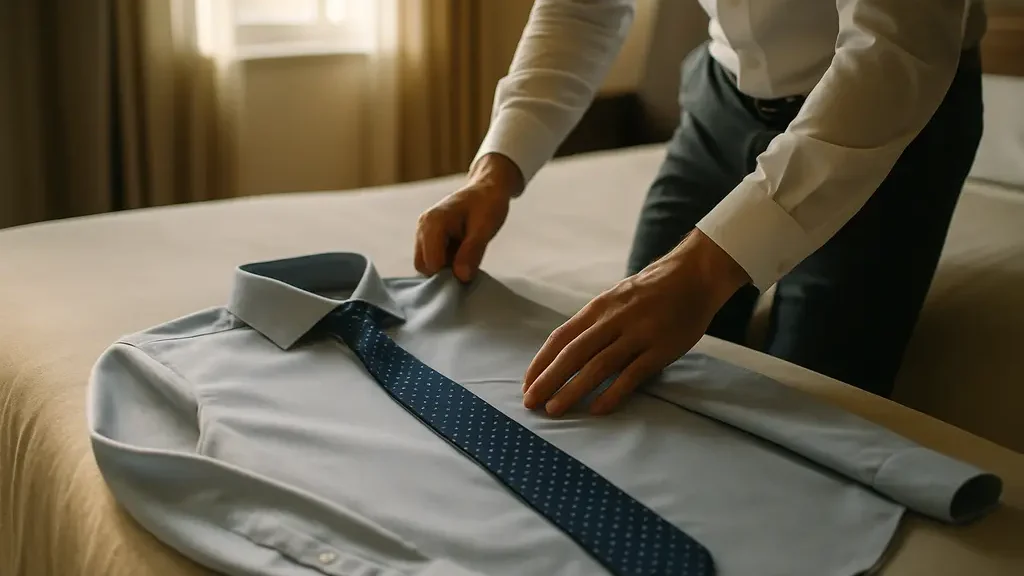
First encounter attire is not about dressing to impress at any cost. It is about choosing clothing that supports the message you want to send in a first meeting, interview, leadership appearance, client session, or other high-stakes introduction. Clothing cannot replace preparation, skill, or clear communication, but research suggests it can affect how competence, warmth, status, and authority are read by others.
As a fashion educator, I usually advise clients to treat wardrobe preparation as part of session preparation. The outfit should help you enter the room with less distraction, fewer last-minute decisions, and a stronger sense of alignment between your role and your appearance. That means checking context, fit, grooming, movement, and how your clothing works with your facial expression, tone, and body language.
Why First Encounter Attire Sends Signals
Clothing is one of the first visible cues people receive. It is not the only cue, and it should never be treated as a complete measure of ability or character. Still, it can shape early assumptions before a conversation has had time to develop. That is why a practical plan matters.
First Encounter Attire And Competence
A workplace clothing review indexed by PubMed identified formality, provocativeness, and fashionability as recurring clothing characteristics studied in work settings, with formality and grooming commonly connected to authority, competence, and positive evaluation in the reviewed literature workplace clothing review. For session prep, the lesson is not that everyone should dress in the same suit. The more useful lesson is that neatness, appropriateness, and formality level are not minor details in first-contact settings.
A practical first encounter attire plan starts with the question, “What role am I expected to occupy in this room?” A job candidate may need to show readiness and respect for the process. A consultant may need to show calm authority without creating distance. A student presenter may need to look prepared while still feeling like themselves. The clothing should support the role without making the person feel disguised.
Warmth Can Be Affected Too
Recent physician self-presentation research found that formal attire increased perceived competence and, in some cases, reduced perceived warmth; the study also examined how trust in physicians shaped those perceptions physician attire study. This is a useful reminder for anyone preparing for a first encounter: a sharper outfit may help you appear capable, but it may need to be balanced with approachable behavior.
That balance can come from softening the styling rather than abandoning polish. A structured jacket can be worn with a less severe shirt. A dark outfit can be lightened with a softer color near the face. A formal dress or suit can feel more approachable when accessories are simple rather than showy. Your greeting, facial expression, eye contact, and listening habits will also carry major weight.
Build The Outfit Around The Session
Preparation improves when you stop asking, “What looks professional?” and start asking, “Professional for what situation?” A panel interview, first client consultation, nonprofit board introduction, academic presentation, and first meeting with a new manager may all call for different levels of formality.
Read The Room Before You Dress
Use available clues before choosing clothing. Review the organization’s public photos, meeting format, industry norms, and the role you will play. If the setting is uncertain, it is usually safer to be a little more polished than the minimum expectation, while avoiding clothing that feels costume-like or out of touch with the setting. For interview-specific appearance planning, the related discussion on first impressions and career opportunity is a useful companion to this session-prep approach.
For virtual meetings, first encounter attire still deserves planning. Dress the visible frame with the same care you would bring to an in-person meeting. Check the neckline, collar, jacket line, and color contrast against your background. A shirt that looks crisp in person may disappear on camera if it blends into the wall behind you. A busy pattern may distract on video even if it feels subtle in the mirror.
Match Formality Without Losing Yourself
Authenticity matters, especially in first meetings where trust has not yet been built. If your clothes feel stiff, unfamiliar, or uncomfortable, that discomfort can affect posture and speech. The goal is not to perform someone else’s version of authority. It is to choose an outfit that fits the setting and still allows you to communicate naturally.
If you are most comfortable in relaxed clothing but need more polish, move one step at a time: pressed trousers instead of denim, a knit blazer instead of a rigid jacket, loafers instead of sneakers, or a clean button-front shirt instead of a T-shirt. If you enjoy expressive style, keep one controlled point of personality, such as a color, scarf, pocket square, earrings, or texture. Let that detail support the outfit rather than dominate the conversation.
Prepare Clothing Before The Meeting
Wardrobe preparation should happen before the morning of the session. Last-minute dressing increases the chance of discovering a stain, missing button, uncomfortable waistband, wrinkled fabric, or shoes that make walking difficult. These issues can pull attention away from the conversation you came to have.
Use A Pre-Session Fit Check
Try on the complete outfit at least a day in advance. Sit, stand, walk, reach, and gesture. If you will present, rehearse a few hand movements. If you will sit across a desk, check how the outfit looks seated. If you will be on video, open your camera and look at the framing. Clothing that looks polished while standing can pull, gape, or wrinkle in ways that distract once the session begins.
- Press or steam garments early enough for fabric to settle.
- Check hems, buttons, zippers, collars, and cuffs.
- Choose shoes that are clean and comfortable for the setting.
- Keep accessories quiet enough that they do not interrupt listening.
- Prepare a backup layer in case the room temperature is different than expected.
If your preparation also includes resumes, bios, proposals, or written introductions, resources outside the wardrobe space may help you compare support options. One related network resource is a related site in the same network, which may be relevant when appearance and written materials both need review before a professional session.
Grooming Supports The Clothing
Grooming does not mean chasing a particular beauty standard. It means presenting signs of care and readiness. Clean hair, tidy facial hair if worn, neat nails, fresh breath, lint removal, and clothing that is free of visible stains all support the impression of preparation. These details are especially helpful in first encounters because they reduce avoidable distractions.
Balance Authority, Warmth, And Authenticity

The strongest outfits for first meetings often sit between two risks. Too casual can suggest the session was not taken seriously. Too severe can create unnecessary distance. The right balance depends on field, audience, meeting purpose, and personal communication style.
Use Color And Texture With Care
Neutral colors are often useful because they are easy to coordinate and tend not to dominate. That does not mean color should be avoided. A calm blue shirt, soft green blouse, burgundy knit, or warm brown jacket can make an outfit feel more human while still polished. Texture can have the same effect. Wool, cotton, fine knits, and matte fabrics often read as grounded and approachable, while high shine or loud contrast may pull more attention than intended.
For leadership appearances, I advise choosing one main message for the outfit. If the message is steadiness, use clean lines and restrained color. If the message is creative confidence, allow one more expressive element while keeping fit and grooming sharp. If the message is service and trust, avoid clothing that creates a barrier between you and the people you are meeting.
Do Not Ask Clothing To Do All The Work
An outfit can open a door, but your behavior determines what happens next. Smile naturally if appropriate, greet people clearly, listen without rushing, and keep your materials organized. Clothing should reduce friction, not become the center of the session. If you find yourself worrying about the outfit constantly, simplify it.
This is where a reliable personal formula helps. For example: pressed trousers, polished shoes, a comfortable top, and a jacket or structured layer. Once you know the formula works, you can adjust fabric weight, color, and formality for different settings without rebuilding your image from scratch each time.
First Encounter Attire For Real Sessions
Strong first encounter attire is practical, context-aware, and honest. It should fit the meeting, fit your body well enough to move comfortably, and fit the message you plan to communicate. Research supports the idea that clothing formality and grooming can influence perceptions of competence and authority, while some formal choices may reduce warmth in certain settings. That means the best answer is rarely “always dress up” or “just be yourself.” The better answer is to prepare with intention.
Before your next session, choose the outfit early, test it in the conditions of the meeting, and ask whether it supports both credibility and connection. If it helps you stand, sit, speak, and listen with fewer distractions, it is doing its job. The clothing does not need to be expensive or trend-focused. It needs to be clean, appropriate, comfortable, and aligned with the first conversation you want to have.