

Let’s talk about the elephant in the room, or the red recording light. You’re known for being great, but cameras make you nervous. This is because cameras show every little expression, making you feel like you’re under attack.
But here’s the key: being nervous is not a weakness. It shows you’re ready for a big challenge. Even stars like Diane Keaton get shaky, but people love it. Cameras capture realness, not flawlessness.
It’s not about getting rid of nerves; it’s about seeing them as a sign of readiness. When you realize cameras pick up on energy, not mistakes, you can learn to be more confident on camera.
This part explains why we get nervous on camera and how to see it as a good thing. It’s a sign you’re about to do something important. Want to learn more? Check out Dr. Christine Braneli’s podcast episode where she talks about how even famous people get nervous.
Ready to change how you feel in front of the camera? Learn about the tools that can help you be the best version of yourself on camera.
Pre session rituals sleep hydration light movement and caffeine plan
Getting ready for a photoshoot is more than just getting dressed. It’s like preparing for a big role. You need to get your body and mind ready with a good pre-session ritual.
Sleep is key to keeping your mind sharp. It helps avoid dark circles under your eyes. Try to sleep for at least seven hours to wake up feeling great.
Hydration is also important. It’s like your body’s lighting. Dehydrated skin looks tired. Drink at least 8 glasses of water a day before your shoot. Your skin will look amazing, and your photos will pop.
Light movement is another must. A short walk or some stretching gets you ready to take up space. It helps you look confident and not stiff. You want to look like the boss of your brand.
Caffeine can help, but use it wisely. You want to be alert during the shoot, not all night. Have a cup of coffee about an hour before to stay focused and energized.
By following these rituals, you become the director of your photoshoot. It’s not just luck; it’s science. Here’s a quick look at what you need to do:
| Ritual | Recommended Action | Benefits |
|---|---|---|
| Sleep | 7-8 hours of quality rest | Sharpens wit, reduces fatigue |
| Hydration | 8 glasses of water | Improves skin appearance, boosts energy |
| Light Movement | Dynamic stretching or a brisk walk | Increases confidence, reduces stiffness |
| Caffeine | 1 cup an hour before | Enhances focus, energizes |
With these rituals, you’ll be more than ready for the camera. You’ll be in charge. Adopt this photoshoot mindset and watch your confidence grow.
Breathing and grounding box 4 7 8 and quick resets
Mastering your breath can unlock your confidence. When nerves hit, it feels like auditioning for a drumline. But, the most powerful move is to breathe—on purpose.
Breathing methods like box breathing and the 4-7-8 method are more than yoga tricks. They’re autonomic nervous system hacks that calm your inner beast. They tell your brain, “It’s okay, we’re not being chased by a saber-toothed tiger—it’s just a photo shoot.”
These techniques are easy to use anywhere. You can do them without anyone noticing. Quick resets, like a deep breath or a glance at your feet, boost your confidence quietly.
Breathing and thinking differently go hand in hand. Just as Jeff Karp’s rainbow glasses change how you see things, breathing changes how you feel. Learn these techniques, and you’ll have a secret way to stay calm and confident.
Self talk scripts identity statements and intention setting
Self-talk scripts are your backstage pass to a stellar performance. The internal monologue often resembles a greatest-hits album of self-doubt. It’s time to change that playlist.
Self-talk scripts are not about reciting sugary affirmations. Unless you’re a unicorn, sparkle on! They focus on crafting identity statements that anchor you to your competence. Phrases like “I am the expert this client needs” or “My ideas deserve this platform” shift your mindset from doubt to empowerment.
Intentional practice is key. Ask yourself: What’s the one takeaway I want viewers to feel? This rewires your brain, transforming the camera from an interrogator into a collaborator. Pairing affirmations with specific intentions, like “I will convey warmth and authority,” gives your brain a mission, not a meltdown.
Here’s a handy table to help you craft your own self-talk scripts and intentions:
| Type | Example Statement | Intended Impact |
|---|---|---|
| Identity Statement | I am a confident communicator. | Establishes self-assurance. |
| Affirmation | I deserve to be heard. | Builds self-worth. |
| Intention | I will engage my audience with authenticity. | Encourages genuine connection. |
Remember, affirmations are not just magical thinking. They are mental reps that build self-belief. Your inner CEO needs to show up before the outer one does, so let’s make that happen!
For more insights, check out Dr. Christine Braneli’s episode on confidence. She breaks down confidence as a trainable skill, not an innate trait.
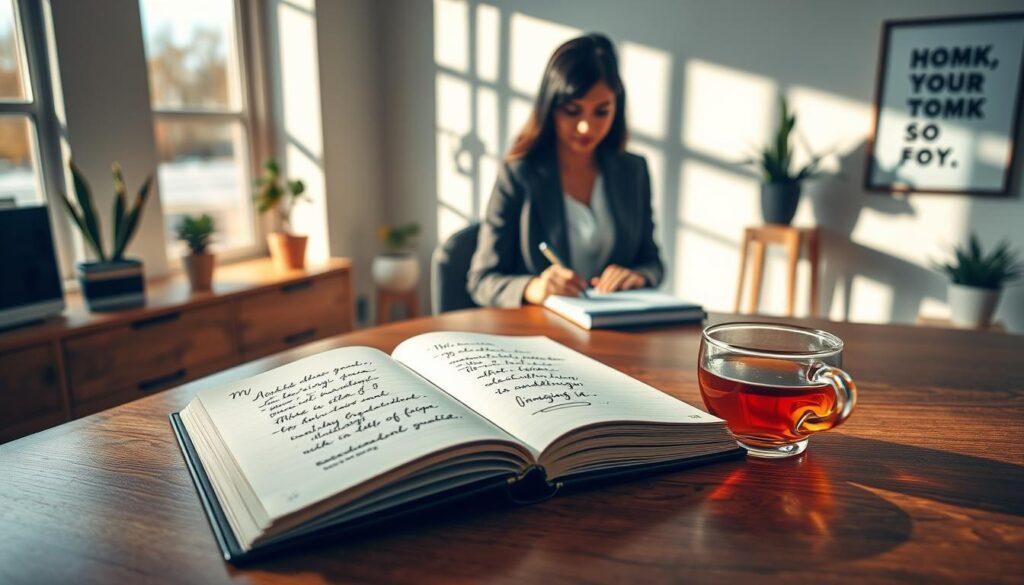
Power posing micro warm ups facial and vocal activation
Your body can speak volumes before you say a word. This is where power posing comes in. Standing tall for just two minutes can boost your confidence and lower stress. It’s a simple way to get ready to take charge.
But there’s more! After the powerful poses, it’s time for micro warm-ups. These are like your body’s signal that it’s ready. Start with shoulder rolls to loosen up, then jaw releases to relax your face. Tongue twisters can wake up your voice.
Facial activation is also key. Big smiles and raised eyebrows can help you look more confident. Your face should show the energy you want to share. Use humming or lip trills to make your voice sound strong.
These warm-ups are like a soundcheck for your body. They tell every cell you’re ready to perform. The camera loves a confident body and a strong voice. So, before your next shoot, spend five minutes to feel more alive and magnetic!
Music and environment playlist scent and temperature preferences
Your surroundings can either make you more anxious or help you feel more confident. Think of the studio as your stage, where every detail matters. Music isn’t just background; it’s emotional architecture.
A good playlist starts with energetic songs and then moves to calm beats. This helps your nervous system relax and feel more energized.
Scent is also very important. A fragrance that reminds you of past successes can boost your confidence. It’s like a natural boost of ambition. Plus, a cool room temperature keeps you alert without making you sweat.
Lighting is key too. Warm lights can make you feel more relaxed, creating a welcoming space. Adding breathing techniques to this mix can help you stay focused and calm.
This isn’t just about being a diva; it’s about using psychology to your advantage. By controlling your environment, you can think clearer and focus better. This makes you look more confident because you actually feel it.
| Element | Effect | Recommendation |
|---|---|---|
| Music | Sets emotional tone | Start with upbeat tracks, transition to steady beats |
| Scent | Triggers positive memories | Use a fragrance linked to past successes |
| Temperature | Affects alertness | Keep the room slightly cool |
| Lighting | Influences relaxation | Opt for warm lighting |

Collaborate communicate boundaries goals and strengths to your photographer
Think of your photoshoot as a team effort, not just a transaction. It’s your chance to become an active part of the process. Start by talking openly with your photographer. They’re not just there for the right angles; they’re your partner in creating great photos.
Be clear about your boundaries. If there’s a certain angle you don’t like, let them know. It’s not about being vain; it’s about getting the best shots. Also, share your goals. Do you want to look friendly yet strong? Let them help you achieve that.
Don’t forget to talk about your strengths. Maybe your smile is what stands out. By sharing these, you help your photographer focus on your best features.
Practice poses are key in this teamwork. Before the shoot, try out a few poses. Then, share them with your photographer and ask for their input. A good photographer will make these poses look great on camera.
Talking things through makes your photos better and reduces stress. You won’t be guessing what the photographer wants. Instead, you’ll work together to get amazing shots. So, speak up and your future photos will be better for it!
Reframing review images focused on goals not micro flaws
When you look at your photos, your inner critic might point out flaws. But remember, this isn’t about finding every tiny mistake. It’s about building your camera confidence.
Diane Keaton’s acting is full of real moments and small imperfections. These make her relatable. Your photos should show warmth and approachability, not an unattainable perfect image. Use Jeff Karp’s “do new” tool to see the world in a new way. This helps you focus on your goals, not just finding flaws.
When you see your proofs, ask yourself: “Does this photo make my ideal client trust me?” If yes, then small imperfections become charming. Even a slight tilt of your head adds character, not flaws.
Don’t let self-doubt ruin your photo review. Learn to see the real beauty in your “flaws.” People are tired of perfect images; they want real connections.
By changing your mindset, you’ll stop deleting good photos. Embrace the beauty of imperfection. Let your images help you reach your goals.
Post session reflection celebrate wins capture lessons
The shoot is done, and it’s time to reflect before you relax. This isn’t just about feeling good about yourself. It’s about looking at how you did with a critical eye. Celebrate every small win. Like, did you keep eye contact for ten seconds without blinking? That’s something to celebrate!
Now, let’s talk about what you learned. Instead of beating yourself up, be curious. For example, if you felt your warm-up wasn’t great, write it down. “Next time, I’ll warm up more.” This helps you get better next time.
Affirmations are key here. After the shoot, they help you feel good about what you did. Saying things like, “I showed up, I executed, I improved,” helps you grow. It’s not just about feeling good; it’s about getting better.
By writing down your wins and what you learned, you create a guide for yourself. This turns one-time efforts into a routine. Over time, this builds your confidence in front of the camera. You’re not just hoping to get better; you have proof you are.
| Aspect | Details | Importance |
|---|---|---|
| Wins | Eye contact, clear communication | Builds confidence |
| Lessons | Vocal warm-up practice | Enhances future performance |
| Affirmations | Post-session validations | Reinforces growth mindset |
One week confidence plan with small daily practices
Building confidence for a photoshoot takes time. It’s about making small, consistent efforts. Think of this plan as a confidence boot camp for a week. Each day, you’ll learn a new practice to help you shine.
Begin Day 1 with a 2-minute power pose after your morning coffee. Act like a superhero and feel your energy boost. On Day 2, record a 30-second voice memo about who you are. This simple act boosts your self-awareness.
By Day 3, create a playlist that energizes you. Use it while practicing a breathing technique during a daily task. Let the music guide your breath. Day 4 is about doing a facial warm-up in the bathroom mirror. It might seem silly, but it’s part of the journey.
On Day 5, talk to a friend for 5 minutes about your on-camera goals. Their support can be transformative. Day 6 involves looking at an old photo and seeing a strength in a perceived flaw. This exercise changes your view.
On Day 7, put everything together in a dress rehearsal. Use your power poses, breathing techniques, and playlist. This isn’t about changing who you are. It’s about showing the confident person you already are, hidden by doubt.
With each practice, you’ll build evidence of your abilities. When the camera lights up, you won’t just hope for confidence. You’ll know it’s there, thanks to a week of small, intentional actions.