
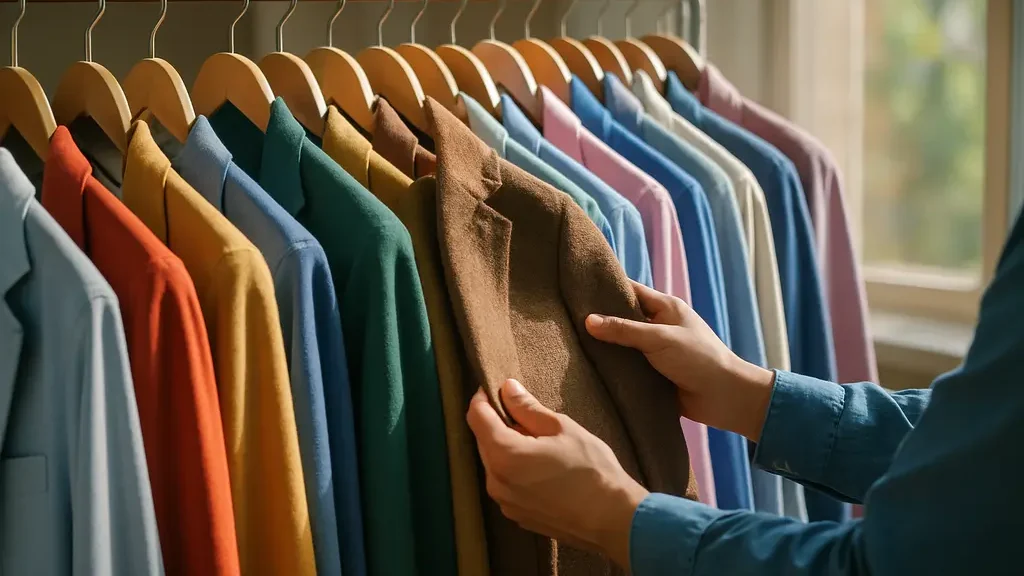
Second-Hand Clothing can be a practical part of professional session preparation, especially for people who want to look credible without treating image as performance theatre. The useful question is not whether a garment is new. It is whether the clothing supports the task, the room, and the version of yourself you need to bring into that setting.
For a branding strategist, this matters because professional image is rarely built in one grand decision. It is built through repeated choices: what you wear for an interview, a client meeting, a teaching session, a board presentation, or a first day with a new team. Preloved clothing can fit into those choices, but it needs the same clear assessment as any new purchase.
Why Second-Hand Clothing Belongs In Session Prep
Second-Hand Clothing As A Preparation Prompt
For session prep, Second-Hand Clothing works best when it prompts reflection rather than uncertainty. A jacket from a charity shop, a vintage blouse, or a preloved pair of trousers can help you ask sharper questions: Does this make me feel prepared? Does it match the formality of the setting? Does it communicate care without making me feel costumed?
The session preparation process should begin before the mirror. Start with the purpose of the meeting. A mentoring session may need approachability. A formal academic presentation may need authority. A creative pitch may allow more visible individuality. Clothing is not a substitute for skill, but it can either reduce distraction or create extra mental noise before you walk in.
A helpful approach is to treat each outfit as a working draft. Put it on at least a day before the session. Sit, stand, gesture, carry your bag, and check how the fabric behaves. If you keep adjusting sleeves or worrying about a mark, the garment may not be right for that moment, even if it is perfectly wearable elsewhere.
Separate Personal Confidence From Audience Assumptions
The University of South Wales work is useful because it treats preloved professional clothing as a perception question, not just a sustainability question. A 2024 USW research proposal titled “Cognitive Impact of Second-Hand Workplace Clothing on Academics: Exploring Evidence for Enclothed Cognition” reported that the UK second-hand clothing market was valued at about £2.6 billion and framed the issue through workplace clothing and possible cognitive effects USW research proposal.
That framing should be handled carefully. The proposal points to a research interest; it does not prove that preloved workwear improves attention, authority, or task performance for everyone. The sensible takeaway is more modest: clothing may affect how people feel and how they think they will be judged, so professionals should test garments in realistic conditions before using them in high-stakes settings.
What The USW Work Does And Does Not Show
A Study Topic, Not A Universal Rule
The phrase Second-Hand Clothing can carry different meanings depending on the workplace. In some offices, preloved clothing may be seen as resourceful, individual, or environmentally aware. In other settings, people may worry about status signals, especially if they are new to the team or still building authority. The research notes for the USW pilot study on preloved clothing in academia reported generally positive attitudes among academics, while also noting concerns around perceived competence, authority, and status among some newer or junior staff.
That distinction is valuable for session prep. A senior professional with an established reputation may have more room to wear unusual vintage pieces without concern. A person entering a new setting may prefer subtler choices at first: clean lines, strong fit, good condition, and one expressive detail rather than a full statement outfit.
None of this means junior professionals should hide their taste. It means they can choose the timing and intensity of their image signals. Personal branding should not ask people to erase themselves. It should help them decide what to foreground in a specific professional context.
Use The Research As A Caution Against Overclaiming
It would be misleading to say that preloved clothing automatically improves cognition or damages credibility. The better reading is that clothing can become part of a person’s preparation psychology. If a garment makes you feel aligned, comfortable, and ready to speak, it may support the session. If it makes you wonder whether others will judge you, it may drain attention.
This is where a short self-check helps. Before an important meeting, ask whether the outfit supports the work or competes with it. Notice whether your attention stays on the discussion, your slides, your client, or your questions. If your attention keeps returning to the garment, choose something simpler for that session and save the piece for a lower-pressure context.
Practical Image Checks Before Professional Meetings
A Fit And Condition Check
Preloved professional clothing needs a condition review because small details can carry more weight in formal settings. Check collar edges, cuffs, hems, buttons, seams, lining, shine on fabric, and any scent from storage. These checks are not about perfection. They are about reducing avoidable distractions.
Use this short preparation sequence before relying on a preloved garment for a professional session:
- Wear the full outfit for 20 minutes while sitting and moving.
- Check the garment in natural light and indoor light.
- Confirm that shoes, bag, and outerwear match the level of formality.
- Remove lint, repair loose buttons, and press visible creases.
- Take one full-length photo from several feet away to assess proportion.
If a piece needs alteration, decide whether the cost makes sense for its future use. A wool blazer that fits your work identity may justify tailoring. A novelty garment for one meeting may not.
A Context Check For Authority
A good professional image should support the authority you need without making you feel false. For more on this connection, the discussion of workplace self-perception offers a useful lens for thinking about clothing, focus, and credibility.
Ask three context questions. Who will be in the room? What decision or impression is at stake? What would feel respectful to the setting while still feeling like you? These questions keep clothing choices grounded in real professional needs rather than vague anxiety.
For example, a preloved navy blazer with a clean shirt may work well for a panel meeting because it reads as structured and calm. A distinctive vintage jacket may be better for a design review or arts-related conversation where personal expression is part of the professional signal. The same garment can be appropriate in one room and distracting in another.
Ethical Signals, Reuse, And Professional Trust
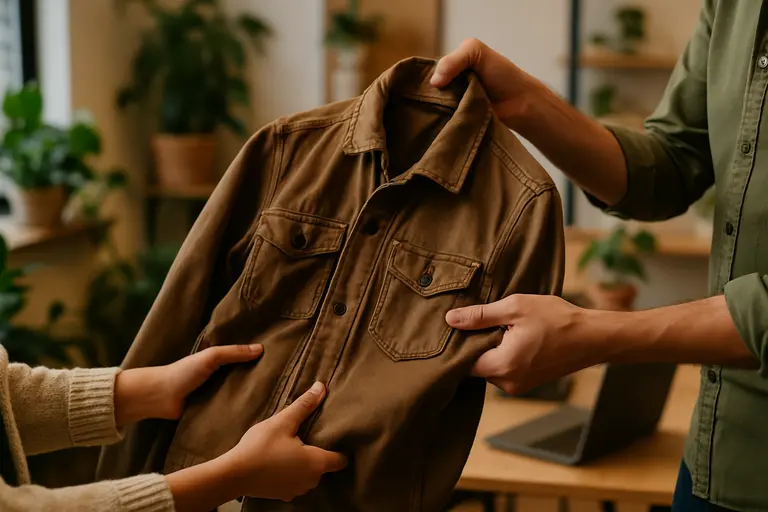
Reuse Can Signal Values, But It Should Not Become A Costume
Clothing reuse has moved into wider consumer behavior, not just niche fashion culture. WRAP’s “Cultivating a Culture of Clothing Reuse” report, published on March 3, 2026, said 54% of UK citizens were happy to purchase preloved or vintage clothing; it also reported that 45% buy clothes at least once a month and nearly 23% buy with the intention of wearing items only for a short period WRAP clothing reuse report.
Those figures suggest that reuse is familiar to many people, but familiarity does not remove professional judgment. If you mention a preloved item in a workplace conversation, keep it natural. It can be part of your values around sustainability, budget discipline, or personal style. It should not be used to imply moral superiority over colleagues who buy new clothing.
Trust-focused personal branding depends on consistency. If reuse is part of your values, let it show through care: maintained garments, thoughtful combinations, and honest discussion. A reused item in poor condition may distract from the value you hope to express. A well-kept item can communicate resourcefulness without needing an explanation.
Clothing also connects with culture, memory, and identity, which is why related network reading at oldnorsenews.org may interest readers who think about how objects carry meaning across settings. This site delves into how cultural artifacts find relevance in today’s world.
Second-Hand Clothing In Professional Settings
Make The Garment Serve The Session
Second-Hand Clothing is most useful in professional settings when it serves the session rather than becoming the session. The aim is not to prove that preloved clothing is always better than new clothing. The aim is to choose garments that help you enter the room with fewer distractions and a clearer sense of how you want to be read.
A practical prep habit is to build three dependable outfit categories: one for formal authority, one for collaborative settings, and one for creative or relational work. Preloved pieces can appear in any of those categories if they meet the standards of fit, condition, comfort, and context.
The USW topic gives professionals a useful reminder: clothing is cognitive before it is public. You experience the garment before anyone else evaluates it. If it helps you feel prepared, grounded, and credible, it can support your personal image. If it raises avoidable doubts, adjust the outfit rather than forcing the message. Professional authenticity is not about wearing the newest thing. It is about making clear, ethical choices that let your work and presence meet the room well.