

In today’s fast-paced world, your business portrait is more than just a photo. It’s a visual message that speaks volumes before anyone reads your bio.
Think of it as a digital handshake. A Yale study showed that entrepreneurs in professional attire made $2.1 million on average. Those in casual clothes made just $680,000. Your outfit can either show you’re in charge or a distraction.
This isn’t about looking good. It’s a smart move. Your choice of clothes can make you seem trustworthy on LinkedIn and company sites. A dark blazer says you’re competent. A busy pattern looks chaotic.
It’s not just about wearing a nice shirt. It’s about paying attention to every detail. Just like how preparation is key for any big task. Your clothes should support you, not overshadow you.
Outfit Options for Men & Women
Forget the red carpet; the real drama is in the photographer’s studio. Here, your business look for a headshot is key. It’s not about personal style, but about visual communication. Your headshot clothing tells your professional story in fabric.
For women, aim for elegant framing. Think of your clothes as a picture frame for your face. A solid-color top is your canvas. Long sleeves help keep things clean and simple.
A modest V-neck can look great, like Grace Kelly. But, avoid low-cut tops and busy patterns. They draw too much attention.
For a timeless look, try a black or navy blazer with a neutral blouse. It’s like a firm handshake. A simple sheath dress is also elegant and easy. Remember, fit is non-negotiable. Clothes that don’t fit right are like typos in your resume.
For men, aim for business casual, but what does that mean? It’s like Steve Jobs’ turtleneck, not a Saturday barbecue polo. Start with a well-ironed, collared shirt. Then, add a suit jacket for authority or lose the tie for friendliness.
Stay away from casual wear like wrinkled polos or graphic tees. Prints are risky. Your business look should fit perfectly. A boxy jacket says “borrowed,” not “leader.”
Context matters. In law or finance, dark colors show stability. In creative fields, you can add flair. Your headshot clothing tells your story, based on your industry.
| Category | Recommended Items | Key Considerations | Industry Context |
|---|---|---|---|
| Women’s Professional | Solid blouse, tailored blazer, sheath dress | Prioritize structure and clean lines. Avoid prints. | Finance, Law, Corporate: Stick to navy, black, gray. |
| Women’s Creative | Textured knit, colored blazer, elegant top | Can introduce color or subtle texture. Keep fit precise. | Marketing, Design, Arts: Deeper jewel tones work. |
| Men’s Professional | Dress shirt, suit jacket, conservative tie | Fit is key. Jacket shoulders must align perfectly. | Consulting, Academia: Classic suit or shirt/jacket combo. |
| Men’s Creative | Collared shirt, smart sweater, unstructured jacket | Business casual is best. Avoid full suit formality. | Tech, Media, Startups: Ties are often optional. |
| Universal Rules | Well-fitted, solid colors, long sleeves | Fabric should drape, not wrinkle. Avoid logos. | All Fields: Grooming and fit outweigh fashion trends. |
So, what’s the takeaway? Your outfit is a supporting actor. It should make your face and expression shine. Choose pieces that feel like you, but also fit the professional context. That’s how you create a business look that lands the part.
Colors for Every Skin Tone
The right color in a headshot does more than look good. It has a psychological effect, framing your face with purpose. It’s not just about decorating your torso. It’s about choosing a color that works well with your skin, not against it.
Imagine a pale person in beige, almost invisible in their own photo. The key is contrast. Your skin and professional attire should contrast well to make you stand out. Light clothes on light skin can make you look faded.
So, what colors are good? Stick to blues, greens, black, and rich earth tones. They support your face without overpowering it. Navy blue, for example, makes you seem trustworthy. Dark gray and charcoal add authority without being too loud.
It’s all about coordination. Think about your skin, hair, and eyes together. Fair skin with blond hair looks great in cool blues and grays. Green eyes pop with browns or forest greens. Aim for harmony, not matching everything.
Want to be noticed without being too loud? Try jewel tones and mid-tones. Emerald green or sapphire blue grabs attention and shows vibrancy. For a more subtle look, muted and dark tones are always stylish.

Forget about what looks nice. Think about what communicates. Your color choice is your first impression. Use the guide below to make a smart choice.
| Skin Tone Category | Recommended Colors | Colors to Tread Lightly With | The Vibe |
|---|---|---|---|
| Fair / Light | Navy Blue, Emerald Green, Charcoal Gray, Burgundy | Pastels, Beige, Off-White | Clean, authoritative, defined. |
| Medium / Olive | Earth Tones (Rust, Olive Green), Royal Blue, Deep Purple | Neon Brights, Yellow-based Greens | Warm, approachable, grounded. |
| Dark / Deep | Jewel Tones (Sapphire, Ruby), Black, White, Rich Browns | Very Dark Navy or Brown (low contrast) | Bold, confident, striking. |
| The Evergreen Classics | Black, White, Navy, Dark Gray | N/A (These are the safe bets) | Timeless authority and trust. The foundation of any professional attire wardrobe. |
Your skin is the canvas. Your shirt is the first bold stroke. Choose a color that enhances your story, not clashes with it. That’s the subtle power of getting this choice right.
Styling for Approachability
Being approachable isn’t about looking weak. It’s about showing your friendly side while keeping your boundaries clear. Your headshot clothing should balance being professional and relatable. This way, you seem like an expert who’s also easy to talk to.
We judge people quickly based on how they look. Color plays a big role here. Light colors like soft blues and creams make you seem friendly. Dark colors, like navy, show you’re in charge. The best look is a mix of both.
A dark blazer with a light shirt is a classic look. But for being approachable, try a medium-toned sweater under the blazer. This gives you a friendly, trusted vibe. Muted colors are conservative but less scary, great for building trust.
How you feel in your clothes affects your posture and presence. Wearing stiff clothes makes you look stiff. But soft, comfortable clothes let your confidence show. You’ll stand taller because you feel good.
Dress for your audience. A commercial real estate agent might wear smart-casual knits. But a residential agent might choose a softer-toned suit. Knowing professional dress codes is key, but being approachable is an art.
Here’s what it looks like in practice:
| Style Element | For Perceived Authority | For Enhanced Approachability |
|---|---|---|
| Color Palette | Dark, solid colors (black, deep navy). | Light, medium, or muted tones (soft blue, cream, heather gray). |
| Neckline | High, stiff collars (spread, cutaway). | Open collars, soft knits, or subtle V-necks. |
| Layering | Structured suit jacket, worn alone. | Blazer over a light layer, cardigan, or textured jacket. |
| Fabric Texture | Glossy, stiff fabrics (sateen, crisp poplin). | Matte, soft textures (wool, cashmere, fine-gauge cotton). |
See the pattern? Approachable headshot clothing softens your look without losing your edge. It uses gentle colors and soft textures. This makes you from a tough boss to a team player.
Avoid looking too casual. A wrinkled t-shirt looks unprepared, not friendly. Dressing smartly shows you’re in control. This confidence makes you approachable. Your clothes just help show it off.
Accessorizing
Think of accessories in your headshot as the secret service of your personal brand. They are present and powerful but never draw attention. This isn’t the Met Gala; it’s about building trust. Your goal is to show a polished business look that speaks of competence.
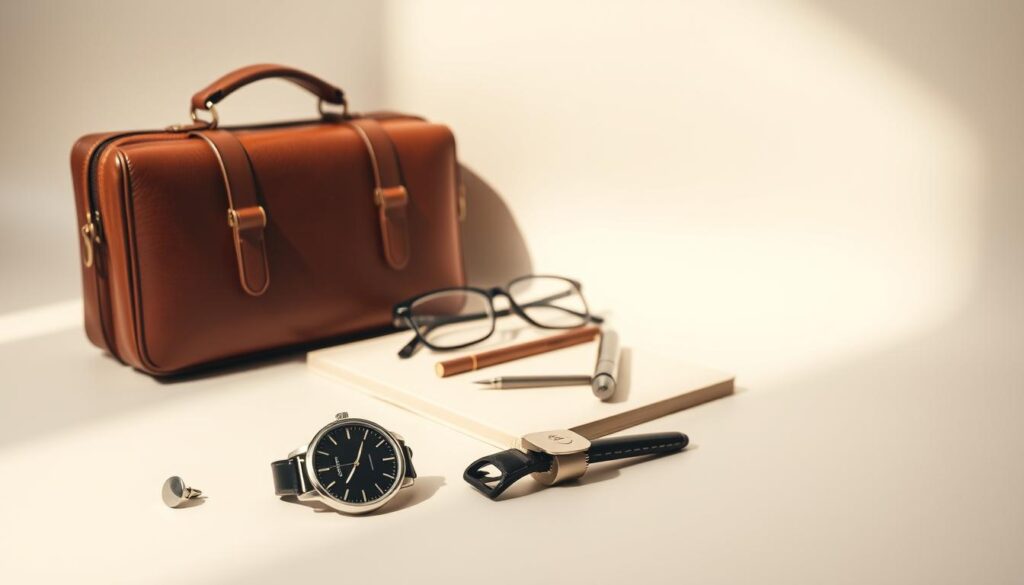
Visual grammar is key. A chunky necklace is too loud for a headshot. Instead, aim for something simple. A small stud earring or a sleek watch can add a touch without overpowering.
So, what are the rules for accessorizing? Jewelry should never be the first thing noticed. If someone comments on your earrings before your eyes, you’ve failed. Opt for small studs and avoid dangling hoops.
Glasses can be part of your brand if they fit your image. But smudges are a no-go. Clean them to avoid glare that can hide your eyes.
Can accessories show your profession? Yes. A designer might wear simple frames, while a financier might choose a classic watch. The accessory should support your story without being the main focus.
This approach of subtraction does two things. It creates a conservative, trustworthy look that works across industries. It also focuses the viewer’s attention on your expression, confidence, and future. In the end, the most powerful accessory is restraint.
Common Errors
Getting professional headshots is like walking a tightrope. One wrong choice in clothes can make you look silly. These mistakes are not just small errors. They are big, like showing up to a big meeting with yesterday’s coffee stain.
First, think about fit and fabric. A wrinkled blazer says you’re too busy, not too important. Clothes that are too tight or too loose are also bad. They make you look uncomfortable or lost.
Shiny fabrics are a big problem. They show every flaw and make you look bad under lights. You want to look polished, not shiny.
Style mistakes are common too. A casual t-shirt might feel right, but in a headshot, it looks wrong. Low necklines can be too revealing. And following the latest trends can make your photo look old fast.
Patterns are tricky. Busy stripes or small paisleys can make you look like a kaleidoscope. They distract from your face. Wearing logos or branded clothes is only good if you’re a brand yourself.
Wearing a color that matches the background is another mistake. It makes you blend in, not stand out.
These mistakes are like a list of what not to do. Each one can hurt your message before you even speak. A bad suit can make you look like you’re in trouble. And too many patterns can confuse people.
The good news is, you can avoid all these mistakes. Your professional attire should support your confidence, not criticize it. Choose simple, fitting, and timeless clothes that focus on you.
For more tips on avoiding these mistakes, check out our guide on common professional headshot mistakes. It’s like preparing for a battle against bad fashion choices. Get your clothes right, and you’re already on your way to a great headshot.
Photographers’ Tips
Think of your photographer as the final, key stylist for your business look. We’re not just clicking a shutter. We’re directors, analyzing how light sculpts your face and how fabric behaves under studio conditions.
That slightly shiny tie or blouse? It becomes a distracting glare. Our job is to spot it and suggest a switch to matte fabrics that photograph better. This is where your prepared headshot clothing gets its final test.
Tell us the photo’s purpose. Is it for a stern corporate board page or a friendly “About Me” section? That intent changes everything—your pose, your expression, the entire vibe. We’ll adjust your stance so your blazer sits perfectly, not bunching at the shoulders.
Trust this process. The best headshot clothing in the world can look stiff without the right angle. We see the frame you can’t. For a deeper dive into prep, this guide from a London photographer echoes our ethos: minimize decisions on shoot day.
Our retouching is the last polish. It’s not about creating a fake you. It’s about removing the one stray hair, softening a harsh shadow, ensuring the focus stays on your confident expression. This collaboration turns a good outfit into a great icon.
Your business look is complete when the expertise behind the lens meets the thought you put in front of it.