Religious dress accommodations sit at the point where personal belief, workplace image, and employer policy meet. For employers, the issue is not only legal exposure. It is also a brand trust issue: the way an organization handles a headscarf, beard, turban, religious garment, or other faith-related appearance practice tells employees and customers what kind of professionalism the organization truly values.
As a brand enhancement coach, I view workplace image rules … Read the rest
AI-generated advertising creates a practical question for every brand image: will the audience understand what they are seeing, and will the message still feel honest after that image is inspected? As a visual communication specialist, I look at this less as a technology issue and more as a trust issue. A polished visual can still fail if the body language, casting, setting, or disclosure makes the brand appear vague about … Read the rest
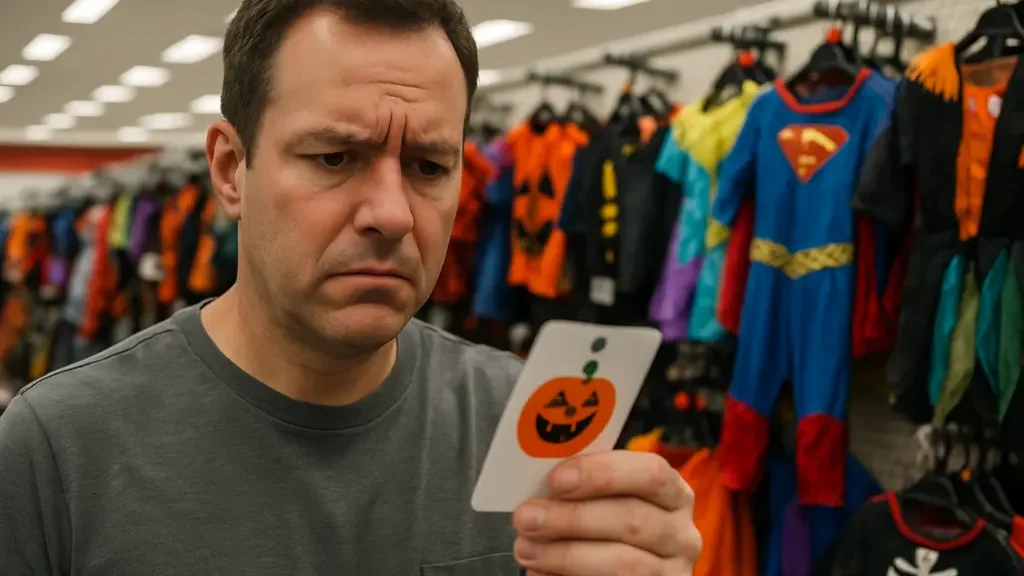
Ethical image use is not a decorative concern for brands. It is a trust concern. Target’s 2026 Halloween costume controversy showed how product design, styling, model selection, and promotional photography can combine into a public-facing image that audiences read very differently than a brand may have intended.
On August 24, 2026, Target pulled a children’s costume called the “Kids’ Glows Under Blacklight Circus Clown Halloween Costume” after criticism that it … Read the rest
Physician attire trust is not built by clothing alone, but clothing can still shape the first impression patients bring into a consultation. For clinicians, practices, hospitals, and healthcare communicators, the useful question is not whether every doctor should wear the same thing. The better question is how attire, setting, communication, and visual presentation work together to help patients feel oriented, respected, and safe.
A passport photo gives you remarkably little room to control how you look.
You cannot choose an interesting background.
You cannot turn toward your more flattering side.
You cannot hide behind sunglasses.
You cannot use a beauty filter afterward.
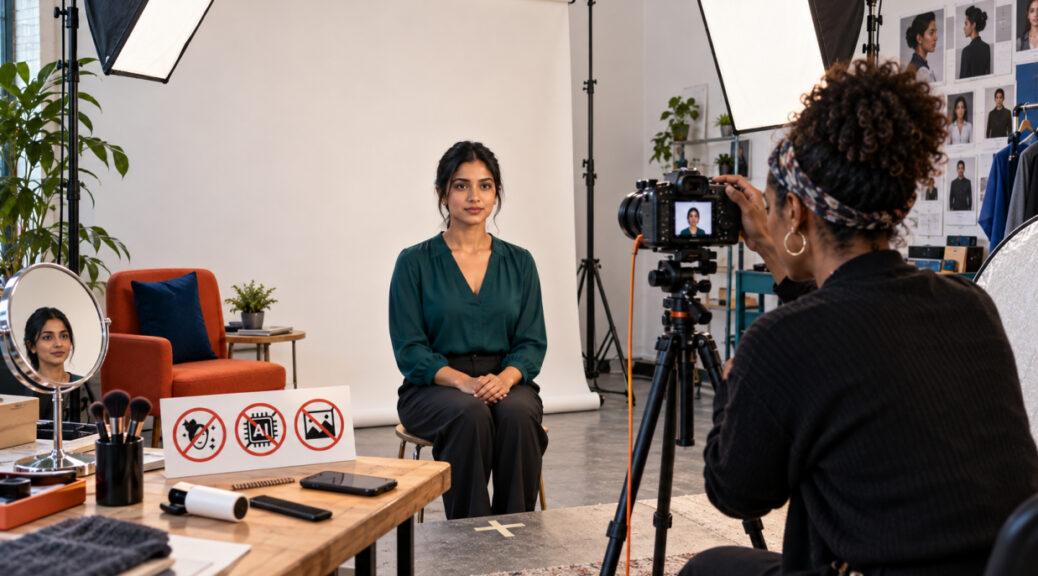
And according to current U.S. Department of State guidance, you should not digitally retouch, reshape or enhance the photograph—including with artificial intelligence.
That leaves one surprisingly important variable under your control:… Read the rest
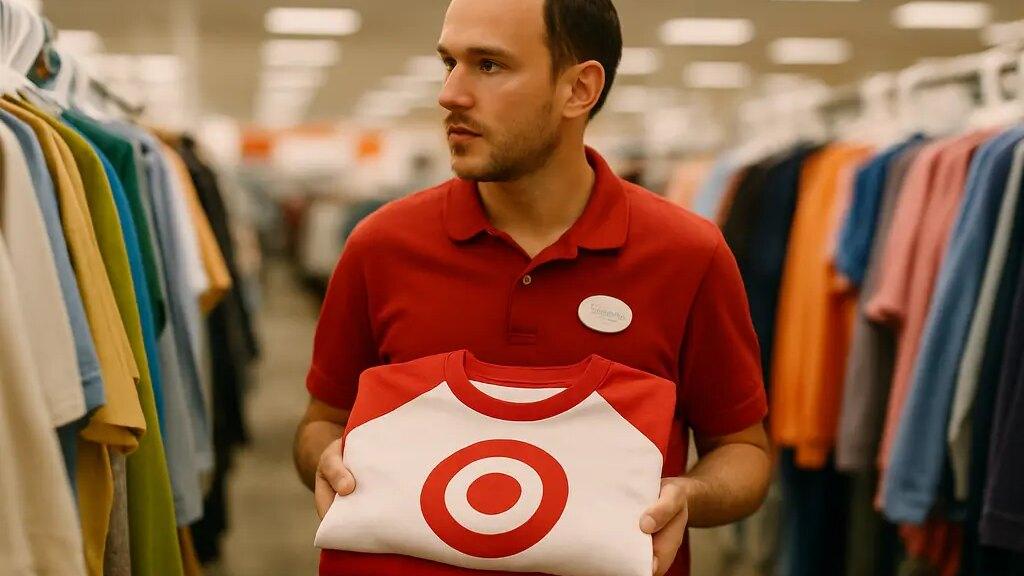
Brand image clothing decisions can look small at the product level, yet they often carry meaning far beyond fabric, color, or seasonal timing. Target’s August 2026 costume controversy is a useful case for anyone who chooses clothing for a workplace, campaign, event, photo shoot, school activity, retail display, or public-facing role.
On August 25, 2026, Target pulled a children’s Halloween costume called “Kids’ Glows Under Blacklight Circus Clown” after critics … Read the rest
Fujifilm’s newest Instax camera does something that would have sounded slightly strange during the early years of digital photography.
It deliberately tries to feel more analog.
On September 14, 2026, Fujifilm North America announced theInstax Pal 2, the second generation of its tiny digital-only Instax camera. The new model is expected to reach the U.S. market in late September for $169.95, available in black or white.… Read the rest
Professional dress cues are not a substitute for competence, preparation, or ethical conduct. They are part of the first evidence people use before they have enough direct experience with your work. For professionals, that makes dress a strategic communication tool: useful, limited, and highly dependent on context.
The most practical question is not, “What outfit looks most impressive?” A better question is, “What does this setting require people to believe … Read the rest
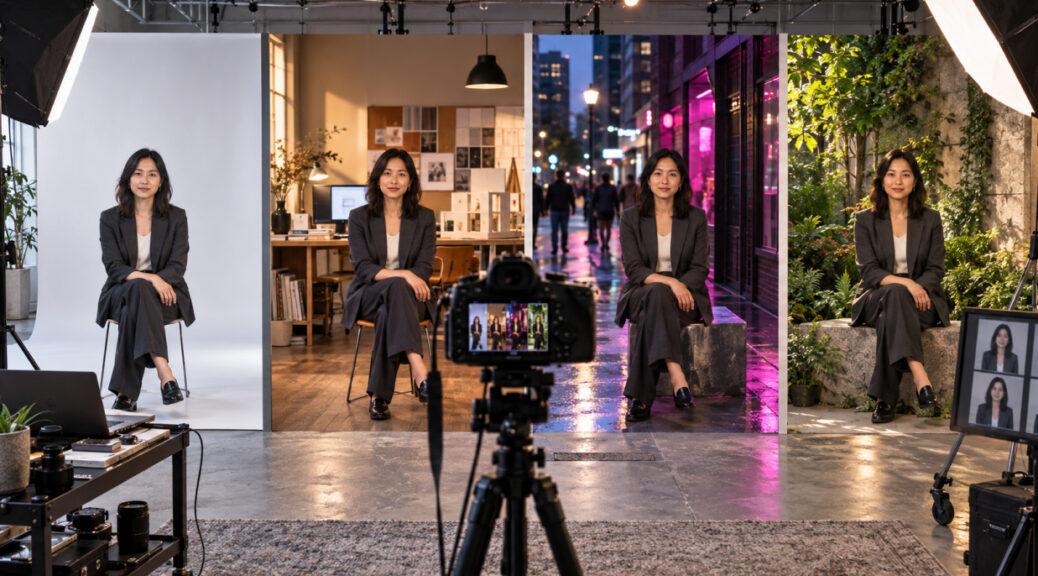
The room behind you, the street beneath your feet, the objects surrounding you and even the amount of empty space in the frame can influence what a viewer thinks the photograph is trying to say.
Saks Fifth Avenue’s Fall 2026 campaign offers a timely example.
Launched on September 3, 2026, the retailer’s “Let’s Go!” campaign was photographed by Nadine … Read the rest
Passport photography creates an unusual image problem.
Most portraits are designed to make the person look their best. A photographer can search for a flattering angle, turn the subject slightly, use dramatic lighting, soften distracting details, select a more expressive photograph and retouch the final image.
A U.S. passport photograph removes most of those options.
You have to face the camera directly. Your head needs to be centered. Your eyes … Read the rest