

Let’s be honest. Most professional portraits look like we’re waiting for a tax audit. The gap between how we feel and how we look on camera isn’t just bad lighting. It’s all about neuroscience.
I’m not talking about vanity. This is about your face’s non-verbal vocabulary. Remember when photographer Peter Hurley’s “squinch” tutorial went viral?
It got half a million views in a week. It wasn’t just a trend. It was a collective sigh of relief. We found a name for that elusive, photogenic glint.
So, what’s really happening? Why does a slight narrowing of the eyes mean “competent leader” instead of “terrified hostage”?
This section explores the psychology. We move beyond the “say cheese” approach to intentional, psychological signaling. Think of it as your facial strategy session.
Psychology of a Smile
Have you ever noticed how saying “smile” can make you look like you’re in a hostage situation? That fake, teeth-showing grin is your brain’s way of saying no. It’s a social rule, not a natural reaction.
The real magic is the Duchenne smile. It’s a natural sign from your brain that you’re friendly and trustworthy. This smile is more than just pulling up your lips. It also involves your eye muscles, making you look genuine.
Great headshot photographers are like comedians and therapists. They aim to make you relax, not just pose for the camera. They might make you laugh or compliment you to get a real smile. This laugh helps you relax and be yourself.
There are two types of smiles you need to know. The “Networking Smile” is for when you’re at work or meetings. It’s a way to be friendly. The “Genuine Laugh Smile” happens when you’re really happy or surprised. It shows you’re real and not just pretending.
Knowing about these smiles is key for a warm photo. The genuine laugh smile makes you seem more human online. It’s about capturing the right moment before you can control it.
| Feature | The Networking Smile | The Genuine Laugh Smile |
|---|---|---|
| Neurological Origin | Conscious motor cortex (voluntary) | Subconscious limbic system (involuntary) |
| Facial Muscles Engaged | Mostly mouth (zygomaticus major) | Mouth + eyes (orbicularis oculi) |
| Perceived Emotion | Politeness, acknowledgment | Joy, warmth, authenticity |
| Primary Social Signal | “I am following protocol.” | “I am enjoying this interaction.” |
| Typical Duration | Sustained, often too long | Brief, spontaneous bursts |
To get a real smile in a photo, don’t try to force it. Instead, create a relaxed atmosphere. A good photographer will chat with you and make you laugh. This way, your real smile will show.
A genuine smile in a photo says you’re not just good at your job. It shows you’re friendly, open, and easy to work with. It makes you seem approachable before you even say a word. People prefer to work with real people, not just perfect photos. Your smile is your first impression. Make it count.
Examples: Friendly vs. Formal Looks
A corporate lawyer and a startup founder walk into a photoshoot—they should not leave with the same expression. Your headshot expression is your professional visual dialect. It tells your audience which play you’re in before you deliver a single line.
Is it a TED Talk or a closing argument? A boardroom pitch or a client consultation? The answer dictates everything. A litigator projects confident, enigmatic reserve. A realtor needs warm, immediate trust. An actor’s headshot might scream creative vulnerability.
This isn’t about faking it. It’s about contextualizing your authentic self for your specific stage. The goal is to look like the expert your client needs you to be.
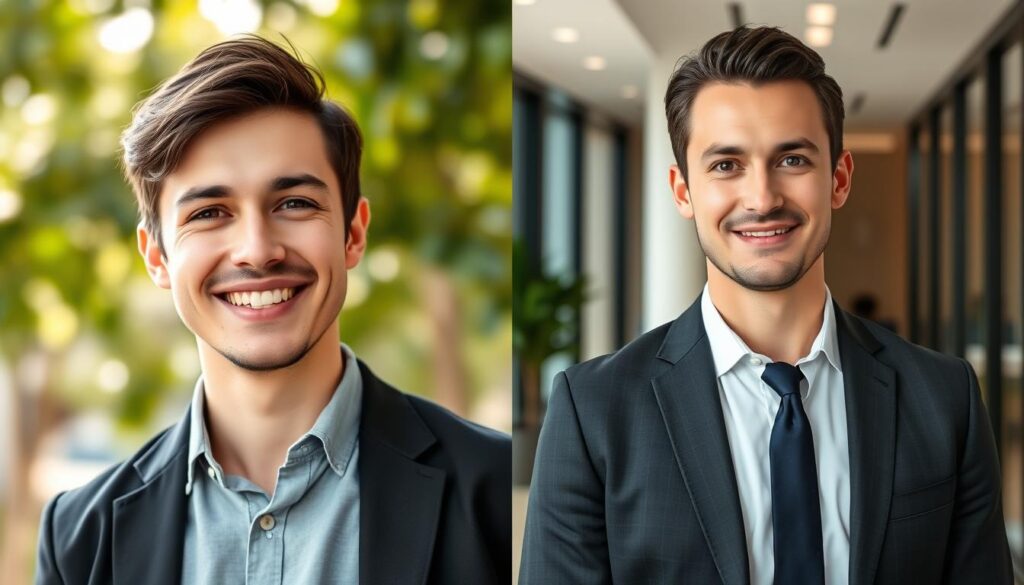
Let’s break down the code. Photographers often ask a simple, brilliant question: “What’s the goal? Kind and approachable? Or attentive and helpful?” The answer changes your entire pose and expression.
Here’s a quick guide to the expressive uniform:
| Professional | Target Vibe | Expression & Pose Cues |
|---|---|---|
| Financial Advisor / Lawyer | Trust, Stability | A subtle, closed-mouth smile. Solid, grounded posture. The message is calm assurance. |
| Consultant / Coach | Insight, Engagement | The “squinching” gaze—a slight crinkle around engaged eyes. Leaning slightly forward, as if listening intently. |
| Startup CEO / Creative Director | Energy, Approachable Disruption | A warm, open grin. Dynamic posture, perhaps with arms crossed or hands in pockets. It says “innovative but collaborative.” |
Then there’s the corporate headshot conundrum. You need to look like part of the team, not like you all share the same soul. The trick is in the micro-adjustments. Same backdrop, same lighting, but a different energy.
The financial analyst might opt for that attentive, helpful lean. The head of HR might go for the kind, approachable smile. Unity in style, diversity in personal brand. For a deeper dive into this visual grammar, check out these professional headshot examples.
Your face is not a one-size-fits-all accessory. It’s the most customizable tool you have. A great headshot doesn’t just show who you are. It shows who you are for them.
Eyes & Posture
The secret to a powerful portrait is not just a smile. It’s about the way your eyes and spine work together. They are the base of a confident pose, before your mouth even moves. It’s like starting a skyscraper with the foundation, not the fancy top.
Your eyes are the foundation. The squinch is a key move here. It’s not about squinting, but a slight lift of the bottom eyelid. This action makes your eyes look focused and calm. It’s a sign of control, not just reacting.
Your jawline is the next important part. It’s called the “pigeon pose.” Imagine a string pulling your chin forward a bit. This makes your neck look longer and your jaw sharper. You’re not just looking at the camera; you’re sending energy to it.
But be careful not to overdo it. Too much squinch or jaw movement can look wrong. The goal is to feel comfortable, not to contort yourself. A confident pose is about a slight lift of the lower lid and a gentle tilt of the neck. It makes you look good without saying a word.
To get this right, you need to know what to avoid. Here’s a guide to common mistakes and how to fix them.
| Mistake | What It Looks Like | The Fix | Result |
|---|---|---|---|
| The Squint | Upper eyelid tight, brows furrowed. Looks strained or unsure. | Relax your brow. Lift only the lower eyelid (the squinch). | Looks calm and confident with focused eyes. |
| The Turtle Neck | Head too far forward, straining the neck. Looks defensive. | Start with the jaw, not the head. A slight chin tilt forward. | Looks strong and confident with a clear jawline. |
| The Slump | Shoulders forward, chest down. Looks tired. | Engage your core. Roll your shoulders back and down. | Looks stable and confident, open and ready. |
This mix of a lower-lid lift and a slight neck tilt works because the camera is literal. It shows your intent and extension. Practice these moves in a mirror until they feel natural. Your smile will thank you, as it will have a solid base to rest on.
Practice Tips
You wouldn’t play a concerto without practicing scales; you shouldn’t pose for photos without practicing too. Headshot photography is all about mostly people skills. These skills grow with practice and a bit of fun.
Your aim isn’t to capture a single perfect moment. It’s to develop a style that feels natural. You want your confident pose and approachable smile to come easily. Think of it as building muscle memory for your face. Ready for your scales and arpeggios?
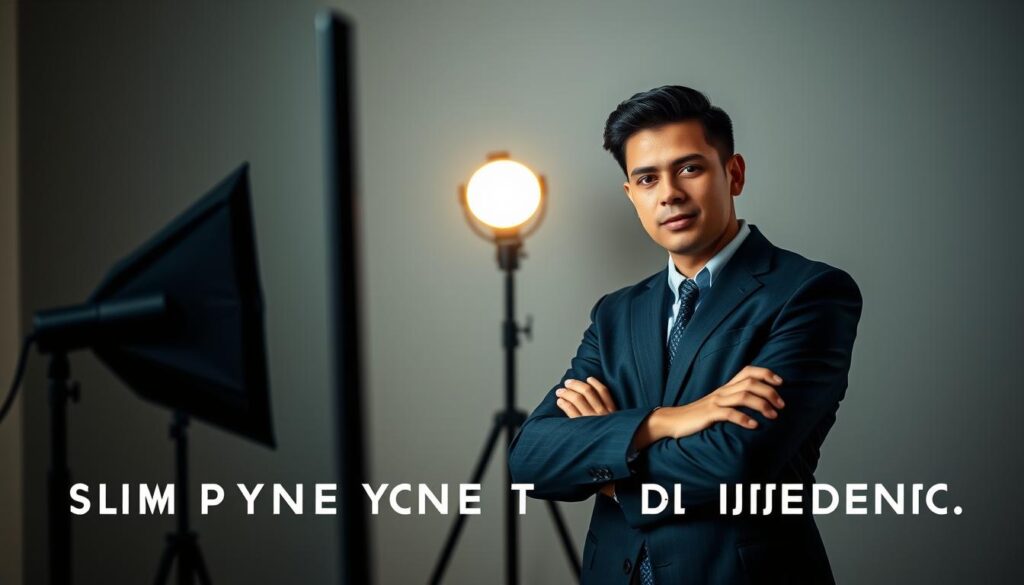
Here’s your essential drill set. Practice them in the mirror, in the elevator, or during long Zoom calls. Your face is the only thing that matters.
- The Squinch Drill: This drill helps you look intrigued without looking like a tourist. Practice narrowing your eyes with just your lower eyelids. Hold for two counts, then release. The squinch adds warmth, showing you’re engaged.
- The Posture Reset: Before any photo, roll your shoulders back and down. Imagine a string pulling your head up and your chin forward slightly. This isn’t stiff; it’s elegant. It’s the base of every confident pose, showing you’re ready and open.
- The Expression Flashcard: Think of three people: a respected mentor, your best friend, and a fascinating stranger. Switch your expression to match each feeling. This builds a collection of genuine looks, making you naturally approachable.
The goal is to enjoy the practice, not see it as work. When it feels like a chore, the camera will catch it. So, make it fun. Try to do a “triple expression combo” before a meeting.
The best tip from seasoned photographers is simple: “Have some fun with it.” Enjoy the process, and your body will relax. Your eyes will light up, and you’ll naturally look approachable. Your confident pose will become second nature, a natural part of who you are.
How Pros Coach Confidence
Ever watched a pro photographer work and felt like you were witnessing a therapist, a drill sergeant, and a hype man all rolled into one? That’s not an accident. The best in the business aren’t just capturing light; they’re conducting a full symphony of your best nonverbal cues. Their toolkit is equal parts technical mastery and psychological jiu-jitsu.
Take Peter Hurley, the portraitist who coined the term “squinch.” His genius isn’t in the word itself, but in the playful, absurd instruction that disarms you. Telling someone to “be like a pigeon” bypasses the analytical brain. It gets you out of your head and into a genuine, engaged state. That’s where the magic happens.
The session flow is everything. For a nervous subject, the pro slows down. They chat. They build trust before they ever lift a camera. They gauge your energy like a DJ reading a room. For the seasoned executive, like those in Karen Vaisman’s portfolio, it’s about a streamlined, efficient experience. No fuss, just results.
The dialogue is where the confident pose is born. Hurley’s advice is telling: “Know the person’s name and use it any time you want to make a posing adjustment.” It’s a power move. It says, “I see you.” This personalized command cuts through the noise and creates immediate connection.
They manage the atmosphere meticulously. A low-stress environment isn’t a luxury; it’s the canvas. The goal isn’t just a picture. It’s extracting that one frame where you look effortlessly, unshakably you. The final headshot expression should feel less like a performance and more like a revelation.
So, what’s their real job? To unlock a version of you that already exists. They use psychological shorthand, cultural references, and sheer empathy to guide you there. The camera just happens to be pointing in the right direction when you arrive.
Final Checklist
Think of this as your pre-flight check. Before the shutter clicks, run this mental diagnostic. It combines everything from the squinch to client comfort into one actionable blueprint.
Start with the eyes. Is there a subtle lower-lid lift, a squinch, giving life to your headshot expression? Vacant eyes are for mannequins. Next, check the jawline. Push the neck gently forward to define it. This isn’t about vanity; it’s about eliminating the dreaded double-chin eclipse.
Now, audit the smile. Is it genuine or a “say cheese” default? An approachable look fits most professional contexts, but it must be real. Your posture is the frame. Shoulders back, energy projecting toward the lens. Slouching is for your couch, not your LinkedIn profile.
The final box is the comfort gauge. Is the subject breathing? Are they a collaborator, not a mannequin? Tension is the ultimate resolution killer. For a deeper dive into tailoring these elements, professional headshot guidelines offer excellent granular advice.
If you can check these five boxes, you’re not just capturing a face. You’re engineering an impression. Now go get that frame.