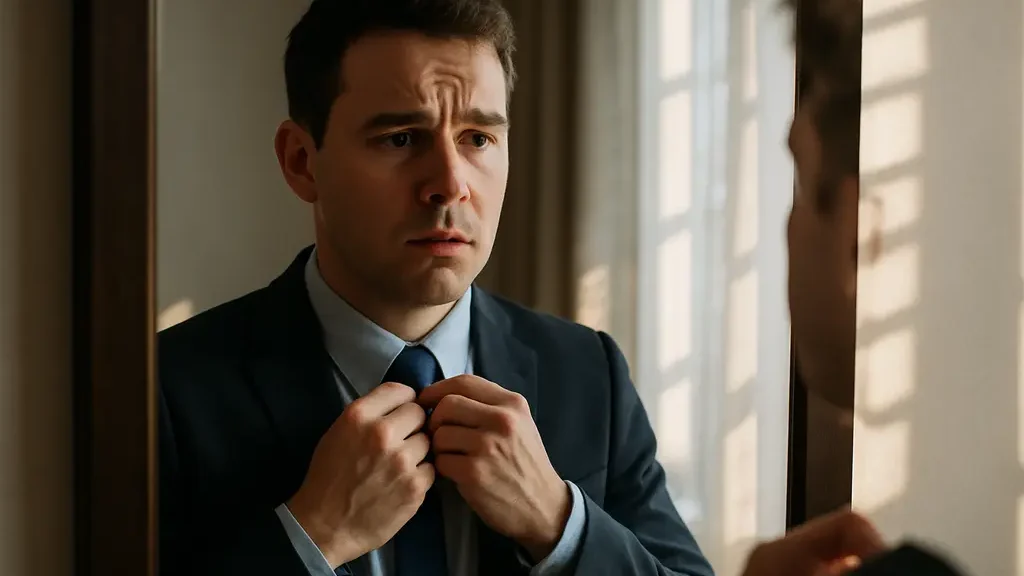
For job seekers, business casual has become one of the hardest style messages to read. A suit can feel too formal in some offices, while jeans and sneakers can feel too relaxed for a first meeting. As a branding expert, I encourage candidates to treat interview clothing as part of self-presentation: not a costume, not a guarantee, but a visible sign of judgment, preparation, and respect for the room.
The challenge is that workplace dress cues are less consistent than they used to be. Some teams meet mostly on screens. Some offices bring people in only a few days a week. Some hiring managers dress down while still expecting candidates to look polished. That does not mean job seekers should panic. It means they need a practical process.
Why Business Casual Feels Harder Now
Business Casual Signals Are Less Visible
The phrase business casual now carries different meanings depending on office habits, sector, seniority, and whether the interview happens on video or in person. A Washington Post article published on August 6, 2026 reported that job candidates have felt caught between traditional interview suits and much more casual workplace norms, especially when employees may appear in hoodies or jeans during hybrid work routines Washington Post interview attire report.
That confusion is understandable. Candidates are trying to answer two questions at once: “Will I look serious?” and “Will I look like I understand this workplace?” Those questions can point in opposite directions. A finance interview may still call for a more formal look. A creative or tech-adjacent interview may allow a softer jacket, clean sneakers, or a relaxed shirt. The risk is not only being underdressed. The risk is appearing unaware of the setting.
Hybrid Work Changes The Clues
Work-from-home patterns also reduce the number of reliable visual cues candidates can observe. A 2025 analysis using the U.S. Census Bureau’s Business Trends and Outlook Survey estimated that businesses reported workers averaged about one day per week working from home, with major differences by sector: nearly 2.8 days in the information sector and about 0.1 day in accommodation and food services Census work-from-home analysis.
For job seekers, that sector variation matters. If a company has fewer people in the office on a typical day, its public image may not tell the full story of how people dress when they meet clients, visit leadership, or attend interviews. You may see a company’s casual social media photos and still need to dress with more structure for the hiring conversation.
Build A Business Casual Interview Plan
Research The Room Before You Dress
Start with visible evidence, but read it carefully. Company career pages, LinkedIn posts, conference photos, and employee headshots can show whether the organization leans toward suits, smart separates, denim, uniforms, or creative styling. Look for people in similar functions, not only founders or marketing photos. A software engineer, an account manager, and a senior executive may all represent the same company differently.
Use the evidence to set a floor, not a ceiling. If most employees wear hoodies, you do not have to copy the hoodie for the interview. If everyone appears in full suits, you should not assume a knit polo will read as equally prepared. A useful middle path is one level more polished than the everyday norm. For a deeper discussion of that strategy, this related piece on dressing one level above the office explains why a slightly sharper first impression can still be the safer choice.
Choose One Level More Polished
Think in terms of clean lines, fit, and restraint. A structured jacket, neat trousers, a collared shirt, a polished knit, loafers, ankle boots, or clean low-profile sneakers can all work depending on the company. The key is that every item should look intentional. Wrinkled fabric, scuffed shoes, noisy accessories, distracting graphics, and poor fit often create more risk than the category of garment itself.
- For a formal-leaning office: choose a blazer, pressed trousers or a skirt, a refined top, and conservative shoes.
- For a relaxed office: keep the structure but soften the pieces, such as a knit blazer, dark denim without distressing, or clean sneakers.
- For client-facing work: favor sharper grooming, simpler colors, and fewer statement items.
- For creative work: allow one expressive element, such as color, texture, eyewear, or jewelry, while keeping the rest calm.
For a video interview, business casual still deserves real attention. The camera may show only the upper body, but posture, confidence, and focus can shift when you feel prepared. Choose solid colors, avoid distracting patterns, check lighting, and sit far enough from the camera that your outfit reads as a complete professional image rather than a floating face.
Use Clothing As Ethical Personal Branding

Signal Judgment, Not A Costume
Personal branding is not about pretending to be someone else. It is about making sure your visible choices support the message you want to send. In an interview, that message may be: “I understand the company, I respect the opportunity, and I can represent myself with care.” Clothing cannot prove skill, character, or performance. It can, however, remove avoidable distractions and help your answers receive the attention they deserve.
The ethical line is simple: do not use appearance to fake a culture fit you would not want to live with. If a workplace requires a level of formality that feels completely incompatible with you, that is useful information. If an office is so casual that polished dress would be viewed negatively, that is useful too. A strong image does not erase fit questions; it helps bring them into clearer view.
Keep Comfort And Fit Honest
Comfort matters, but it should not become an excuse for careless presentation. A stiff jacket that restricts movement can make you appear tense. Shoes that hurt can change how you walk into the room. A shirt that needs constant adjusting can draw your attention away from the conversation. Select clothes that allow you to sit, stand, gesture, and breathe easily.
Fit is also part of credibility. Clothes do not need to be expensive to look considered. Hem length, sleeve length, shoulder fit, and clean condition often matter more than brand names. Before the interview, try the full outfit while sitting at a desk, walking, and speaking aloud. If something pulls, gaps, slips, or distracts you, fix it or choose a simpler option.
Professional trust is built through many small signals, not clothing alone. For insights from a related site within our network, visit Polygraphianz where the focus continues on clothing, image, and interview self-presentation.
Business Casual For Job Seekers With A Clear Image
Create A Repeatable Outfit Formula
Rather than reinventing your look for every application, build two or three interview formulas. One might be a blazer, knit top, dark trousers, and loafers. Another might be a button-front shirt, clean denim, a soft jacket, and simple sneakers. A third might be a dress or skirt with a cardigan or jacket. The formula gives you consistency, while color and accessories let you adapt to the employer.
Photograph each option in natural light and on a video call preview. Look for proportion, contrast, and distraction. Does the collar sit well? Does the jacket create structure without looking severe? Do the shoes match the level of polish? Does the outfit support your face, voice, and message? This is not vanity. It is preparation.
The clearest job seeker image usually comes from balance. You want to look polished enough to show respect, current enough to understand modern work habits, and authentic enough that the interviewer can imagine working with you. If you are unsure, choose simplicity: clean fabric, good fit, quiet colors, and one detail that feels personal. That approach keeps the focus where it belongs—on your expertise, your communication, and the value you can bring to the position.