Religious dress code expectations sit at the meeting point of professional image, personal belief, workplace policy, and respectful communication. For employees, the goal is often simple: present yourself credibly without setting aside sincerely held religious practices. For employers and managers, the goal is to keep appearance standards clear while allowing reasonable accommodation where the law requires it.
This is not only a legal-policy issue. It is also an image issue. … Read the rest
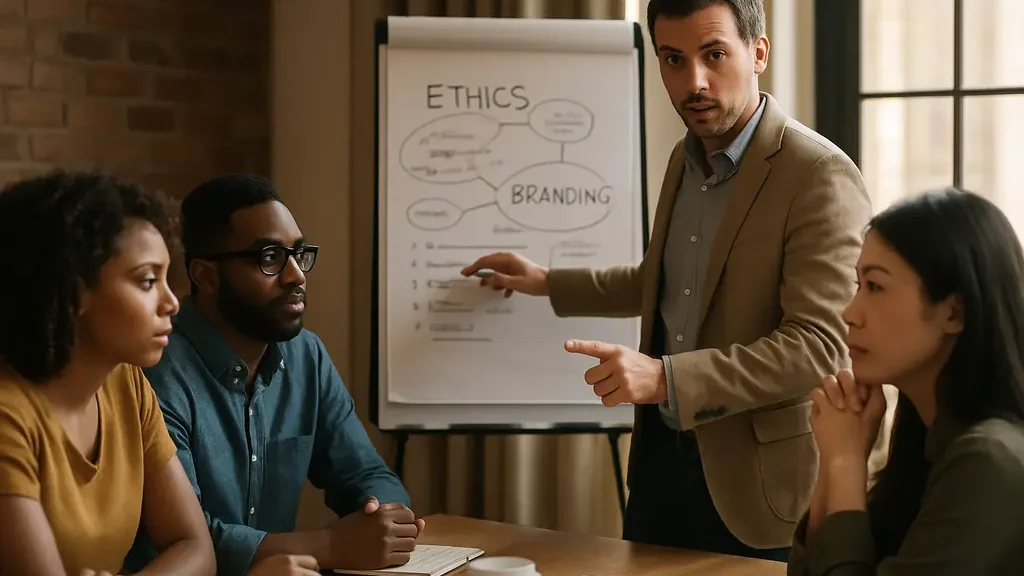
ANA ethics training gives marketers a practical reason to slow down before a campaign goes live. For visual brand work, that pause matters. A claim, a model choice, a gesture, a product image, or a social caption can shape how an organization is read by customers, employees, partners, and regulators.
The ANA launched its Ethics Code of Marketing Best Practices on July 17, 2024, describing a framework that covers areas … Read the rest
Workplace shorts have moved from a simple yes-or-no dress-code issue into a more useful question: what does professional presence need to communicate in a specific setting? For some teams, the answer may include warm-weather comfort. For others, especially client-facing, legal, public-sector, or formal administrative environments, the answer may still be no.
As a visual communication issue, shorts are not just a garment. They change the proportion of an outfit, alter … Read the rest
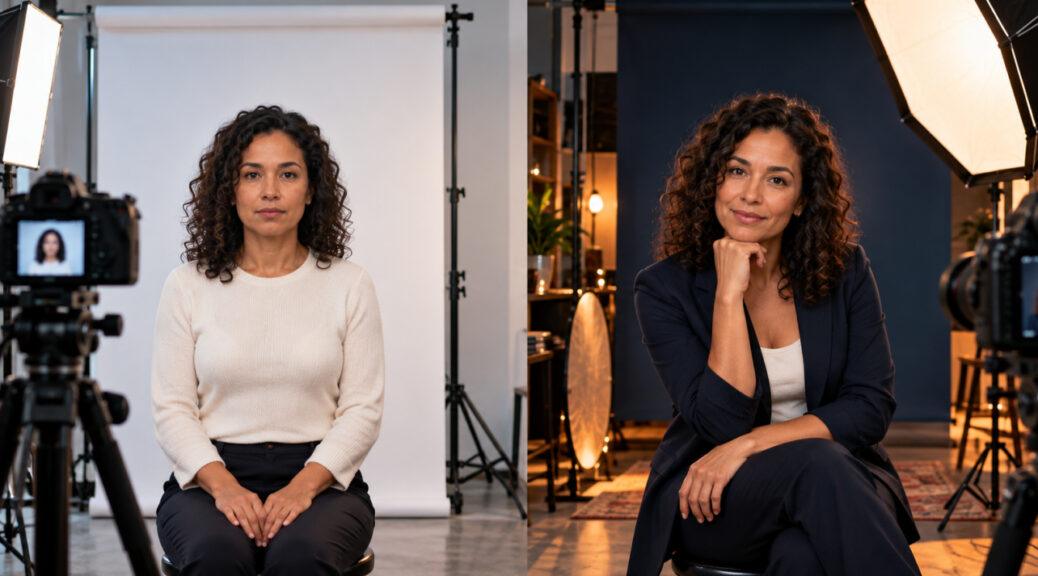
You can take a passport photo and a professional headshot within hours of each other, wearing similar clothes and with exactly the same haircut, and still look surprisingly different in the two images.
That does not necessarily mean one photograph is inaccurate.
A passport photo and a professional headshot are designed to accomplish fundamentally different jobs. One prioritizes identification and standardization. The other can use expression, lighting, camera position, … Read the rest
The first 30 seconds of meeting someone can influence how the rest of an interaction feels, but making a good first impression is not about memorizing a perfect handshake, forcing constant eye contact, or dressing more formally than everyone else in the room.
Recent workplace research points in a more useful direction: how you communicate matters at least as much as how you look.
Workplace dress codes became harder to read after COVID because the old signals stopped being reliable. A suit may still be right for a board presentation, while a knit polo, clean sneakers, or a relaxed blouse may be perfectly appropriate in another office. As a branding advisor, I see this less as a fashion problem and more as a self-presentation problem: people want to look credible without seeming out of … Read the rest
Before a customer asks an employee a question, hears their voice or experiences their service, clothing may already have communicated something.
That does not mean a polo shirt makes someone more competent, or that a particular color guarantees good customer service. It does mean clothing can function as an immediate visual cue: Is this person an employee? Can I approach them? What role might they have? Does their appearance fit … Read the rest
Looking professional at work in 2026 does not automatically mean wearing a suit.
In many American workplaces, the visual language of professionalism has moved toward tailored trousers, structured knitwear, polished separates, overshirts, contemporary jackets and cleaner versions of traditionally casual clothing. The suit still matters in industries and situations that expect business-professional dress, but it is no longer the only reliable way to communicate that you took care with your … Read the rest
The safest job-interview outfit in 2026 is no longer automatically a dark suit, white shirt and conservative shoes.
It is also not whatever employees happen to wear on an ordinary Tuesday.
The better starting point is to understand the employer’s visual culture and then dress slightly more deliberately than the normal workplace standard. For a traditional financial or legal office, that can still mean a suit. For a business-casual company, … Read the rest
First Impressions can feel unfairly fast, yet they often influence how people assess credibility, warmth, and readiness at work. The useful response is not to fake a personality or dress as someone you are not. It is to understand which early signals carry weight, then prepare those signals with care.
As a branding consultant, I see this most often in interviews, introductions, client meetings, promotion conversations, and the first days … Read the rest