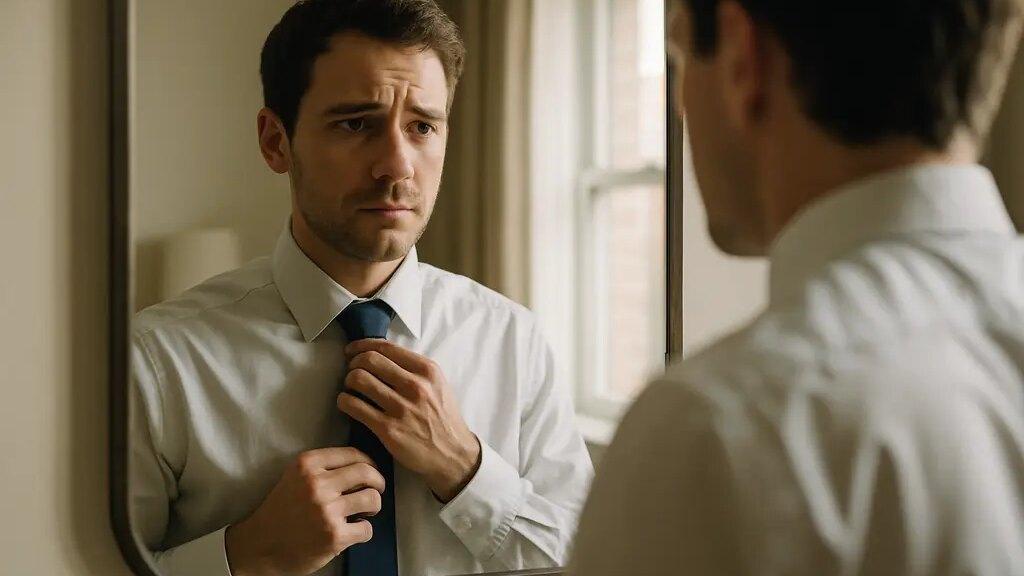
Interview attire norms have become harder to read because many workplaces no longer dress the way they did before widespread remote and hybrid work. A candidate may meet a hiring manager in a hoodie on video, then be told the company still expects polish for client meetings. That tension is real, but it does not require guessing blindly.
As a branding consultant, I advise job seekers to think less about fashion rules and more about professional signals. Clothing should support the message you want to send: prepared, aware of context, respectful of the opportunity, and comfortable enough to speak clearly. The goal is not to look like someone else. It is to present the most credible version of yourself for the role in front of you.
Why Interview Attire Norms Feel Less Certain
What The AP Reported
On August 6, 2026, the Associated Press reported that job candidates were feeling caught between suits and hoodies in a post-pandemic hiring market. The report said polished suits were still commonly recommended for executive positions and for conservative fields such as law and finance, while many other workplaces had moved toward more relaxed daily dress. The same reporting also noted that employers expected candidates to research company culture and often dress one level more polished than what employees appeared to wear according to the AP.
That last point is the practical center of the issue. An interview is not an ordinary workday. It is a meeting where you are being assessed for judgment, preparation, and fit. Dressing slightly above the daily norm tells the interviewer that you understand the occasion without ignoring the company’s culture.
Interview Attire Norms Start With The Role
Use interview attire norms as a decision framework, not a rigid costume. A senior finance candidate, a nonprofit communications manager, a software engineer, and a retail operations supervisor may all need different levels of formality. The right outfit depends on the role, industry expectations, client exposure, and the seniority of the position.
For executive, legal, finance, consulting, or board-facing roles, a suit or similarly formal outfit remains a safer choice. For many technology, creative, education, and community-based roles, a structured jacket, neat trousers, polished shoes, and a simple shirt or blouse may communicate professionalism without looking out of sync.
Build An Outfit From The Company Outward
Read Culture Signals Before Choosing Clothes
Start with evidence. Review the employer’s website, team photos, recruiting videos, public social media, and any interview instructions. If employees appear in jeans and sneakers, do not assume the interview should match that exactly. Move one step sharper: dark denim or chinos instead of distressed jeans, a knit polo or blouse instead of a T-shirt, loafers or clean low-profile shoes instead of gym footwear.
If you cannot find visual clues, ask the recruiter or scheduling contact for guidance. A simple sentence works: “I want to dress appropriately for the interview. Is the company generally business casual, formal, or more relaxed?” This question shows judgment, not insecurity.
For more help with related choices, this site’s article on business casual advice offers practical ways to calibrate polish for hybrid and casual offices.
Use Fit As Your Nonnegotiable
The Washington Post’s publication of the AP report noted universal guidance that still applied across industries: clean clothing, proper fit, and feeling confident in one’s appearance as reported by The Washington Post. Those basics matter because fit and condition are often noticed before brand, trend, or price.
- Check shoulders, sleeve length, waist fit, and trouser length at least two days before the interview.
- Remove lint, loose threads, pet hair, and visible wrinkles.
- Choose shoes that are clean and quiet enough for walking into a meeting room.
- Avoid clothing that needs constant adjustment while you speak.
- Keep fragrance light or skip it, especially for in-person interviews.
Confidence does not come from wearing the most formal garment in your closet. It comes from knowing the outfit is appropriate, comfortable, and aligned with the message you intend to send.
Virtual Interviews Need Full Presence
Camera-Friendly Choices
Video interviews changed the visible field, but they did not remove the need for professional presence. The AP report said solid colors were preferred onscreen and also noted that wearing shoes, even when the camera shows only the upper body, may help some candidates feel more interview-ready. That is sensible advice because posture, tone, and focus often improve when you feel fully dressed for the appointment.
For camera settings, avoid small busy patterns that shimmer onscreen. Medium-depth colors often work better than stark white or very dark black, depending on lighting. Test the outfit on your actual device before the interview. Sit where you plan to sit, check the neckline, look at shoulder shape, and make sure jewelry or accessories do not create distracting noise.
Wardrobe is only one part of video presence. Voice, pacing, listening, and comfort on camera also shape perception. If you are practicing communication habits alongside appearance, a related network site, Talk and Play, can sit beside wardrobe prep as part of broader presentation practice.
Practical Outfit Formulas By Role Signal
Conservative Roles
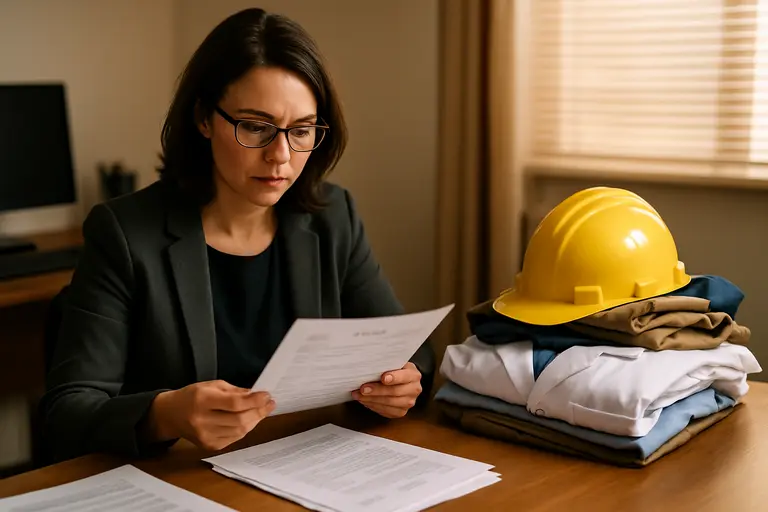
For law, finance, high-level consulting, executive leadership, or public-facing institutional roles, choose the more formal lane unless the employer clearly says otherwise. A dark suit, pressed shirt or blouse, refined shoes, and minimal accessories send a clear message of seriousness. If a tie is customary in your field, wear one. If not, keep the neckline and jacket combination clean and structured.
This does not mean you should erase personality. A subtle color, quality texture, or distinctive but quiet accessory can make the outfit feel like you. The key is restraint. Let your preparation, examples, and conversation carry the larger impression.
Casual Or Creative Teams
For software, design, media, startups, some nonprofits, and casual office teams, the risk often moves in the other direction: looking so formal that you appear unaware of the culture. In those settings, try a structured jacket or cardigan, a neat shirt, dark jeans or chinos if appropriate, and clean shoes. A full suit may still work if styled with a simple shirt and less formal accessories, but the outfit should not look like you ignored every culture signal available.
Interview attire norms should also account for the type of work. A candidate for a hands-on community program role may need to look approachable and practical. A candidate for a client strategy role may need sharper polish. A candidate for an internal technical role may benefit from simplicity, neatness, and ease of movement.
Job Seekers’ Dilemma And Interview Attire Norms
The post-pandemic job market did not eliminate interview dressing standards. It made them more context-sensitive. That can feel frustrating, but it also gives candidates room to show judgment.
Treat interview attire norms as a blend of research, role awareness, and personal credibility. Look at the employer’s public image. Consider how formal the role is. Dress a step more polished than the daily workplace, unless the recruiter gives different instructions. Prioritize clean condition, correct fit, and ease of movement. For video interviews, test the outfit on camera rather than relying on a mirror.
Your clothing will not earn the offer by itself. It can, however, remove visual doubt and help the conversation begin from a place of confidence. In a hiring market where suits and hoodies can exist in the same company, the strongest choice is rarely the most expensive outfit. It is the one that proves you understand the room before you enter it.