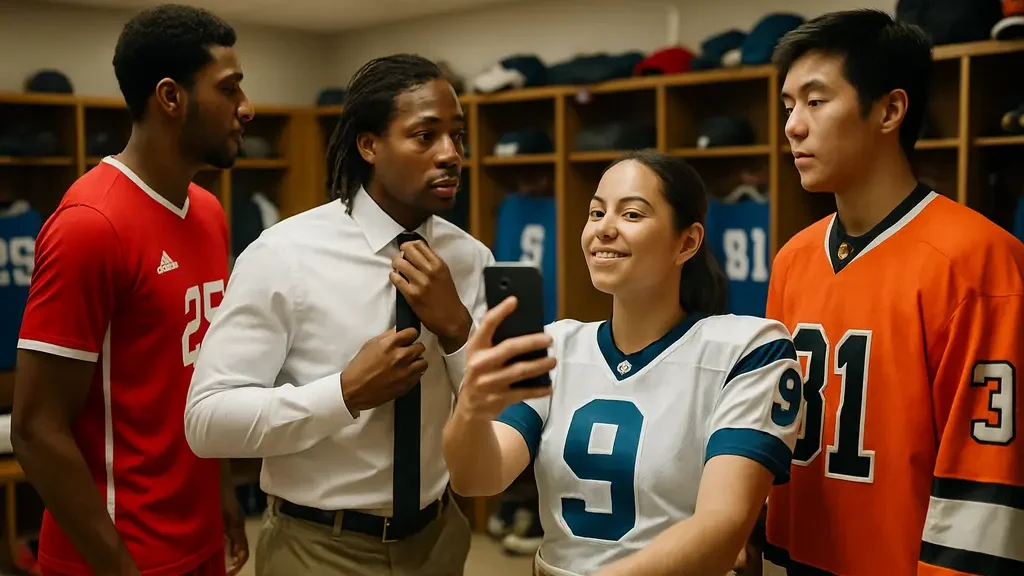
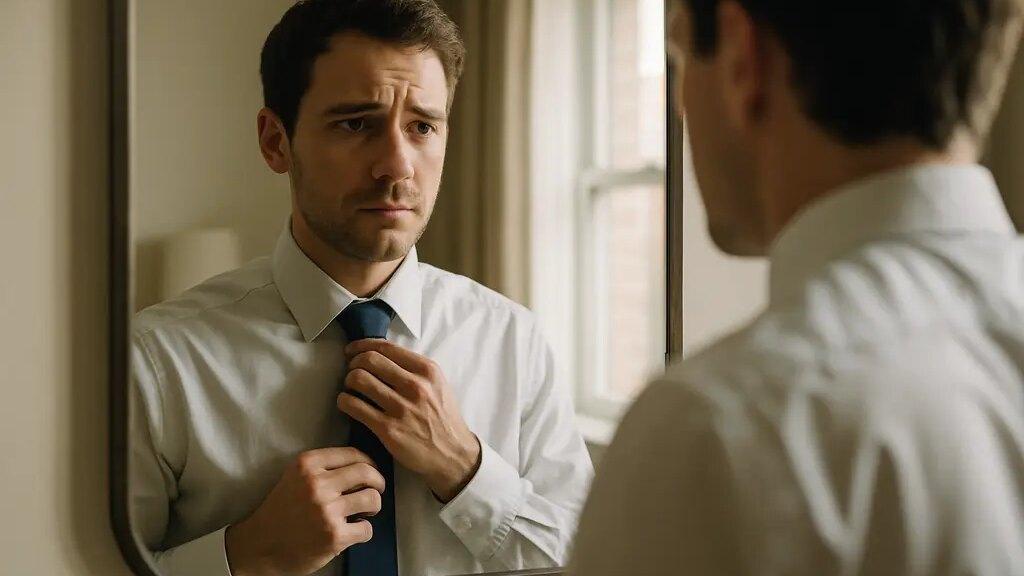
Dress code clarity is not only a policy-writing issue. It is a trust issue, an image issue, and a preparation issue for anyone who needs to show up in a school, workplace, courtroom, performance space, interview, or client-facing session with confidence.
As a branding consultant, I see dress standards through two lenses at once. First, clothing communicates. It can signal respect for the setting, awareness of audience expectations, and readiness … Read the rest
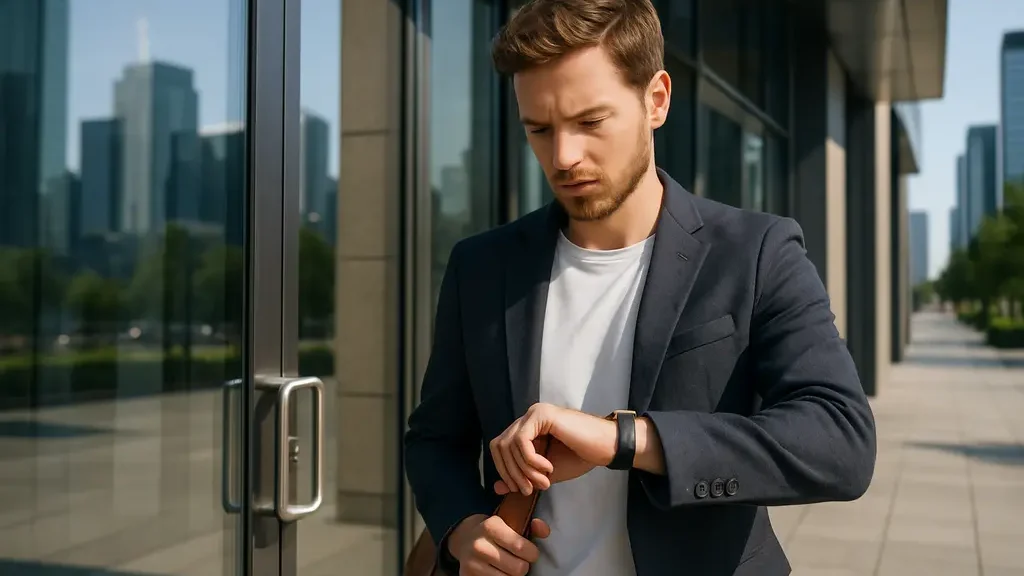
For job seekers, a hybrid dress code can feel less predictable than the old office uniform. The challenge is not only deciding what looks professional. It is reading context: the company, the role, the interview format, the client exposure, and the difference between what is written in a policy and what people actually wear.
The practical answer is not to overdress out of fear or underdress to seem relaxed. A … Read the rest
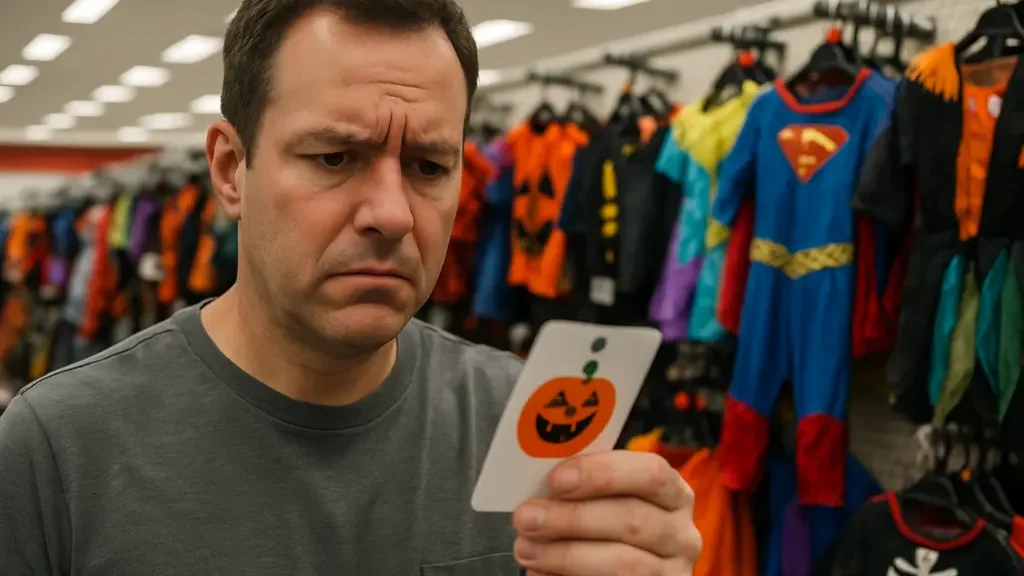
Ethical image use is not a decorative concern for brands. It is a trust concern. Target’s 2026 Halloween costume controversy showed how product design, styling, model selection, and promotional photography can combine into a public-facing image that audiences read very differently than a brand may have intended.
On August 24, 2026, Target pulled a children’s costume called the “Kids’ Glows Under Blacklight Circus Clown Halloween Costume” after criticism that it … Read the rest
Using the same corporate headshot for years is outdated. It’s like keeping a Myspace top eight from years ago. It shows you’re not moving with the market.
Many smart people’s brands are stuck in digital limbo. The rules have changed. Now, it’s not just about having a good photo. It’s about having a visual strategy for it.
Imagine your brand as a professional photo calendar. A yearly update that … Read the rest
Casual dress codes have shifted from a simple perk to a daily image decision for many employees. The question is no longer whether comfort belongs at work. It does. The more practical question is how employees can dress with ease while still communicating judgment, respect, and readiness for the setting in front of them.
As a branding consultant, I see this issue as less about fashion and more about signal … Read the rest
Employer dress codes are no longer just a question of suits, polos, or uniforms. They now sit at the intersection of comfort, identity, brand standards, and how people read credibility at work. For professionals, the practical challenge is not choosing between self-expression and polish. It is learning how to express personality while still fitting the visual expectations of the role, the workplace, and the moment.
First Impressions can feel unfairly fast, yet they often influence how people assess credibility, warmth, and readiness at work. The useful response is not to fake a personality or dress as someone you are not. It is to understand which early signals carry weight, then prepare those signals with care.
As a branding consultant, I see this most often in interviews, introductions, client meetings, promotion conversations, and the first days … Read the rest
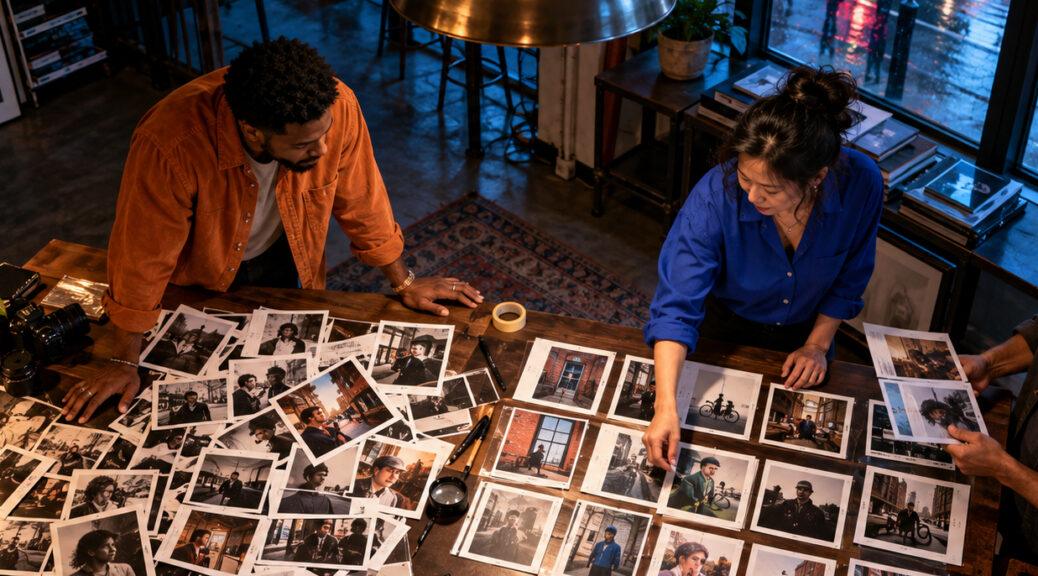
A photographer can spend hours deciding whether one image belongs in a portfolio.
Someone seeing the work for the first time may recognize the answer in seconds.
That difference is one reason professional photography still depends so heavily on critique, editing and portfolio reviews—even as cameras, software and artificial intelligence make it easier than ever to produce, sort and manipulate enormous numbers of images.
That process is particularly visible this … Read the rest
Interview attire norms have become harder to read because many workplaces no longer dress the way they did before widespread remote and hybrid work. A candidate may meet a hiring manager in a hoodie on video, then be told the company still expects polish for client meetings. That tension is real, but it does not require guessing blindly.
As a branding consultant, I advise job seekers to think less about … Read the rest
Professional dress cues are not a substitute for competence, preparation, or ethical conduct. They are part of the first evidence people use before they have enough direct experience with your work. For professionals, that makes dress a strategic communication tool: useful, limited, and highly dependent on context.
The most practical question is not, “What outfit looks most impressive?” A better question is, “What does this setting require people to believe … Read the rest