

Headshots can sometimes feel like a fashion disaster. We’ve all seen pictures where accessories overshadow the person. Imagine a photo with a huge necklace that’s louder than a screaming child. It’s not a party; it’s your professional image.
This guide will help you find the right balance in headshot styling. We aim to make you look your best without looking like a prop. A simple, clean look often shows more confidence than a busy one.
Consider this: the right accessory, like a sleek pen or a quiet tech gadget, can say a lot about your professionalism. We want people to think, “I need to hire this person,” not “What’s with their outfit?” It’s about making a strong, memorable impression without distractions.
Jewelry choices metals that match brand temperature and simple lines
Choosing the right jewelry for headshots is key. The metals you wear can make or break your image. It’s important to pick pieces that support your brand without taking over.
Think of your jewelry as the supporting cast in a movie. They’re important but not the main star.
First, let’s decode your brand temperature. Are you warm, cool, or neutral? This helps pick the right metal tones for photos:
- Warm Metals: If you’re warm, go for brushed gold, rose gold, or copper. These metals are friendly.
- Cool Metals: For a cool vibe, choose silver, platinum, or white gold. They’re professional and clear.
- Neutral Metals: If you’re in between, mix metals subtly. This shows versatility without confusion.
Mixing metals without a plan can cause visual problems. Your jewelry should match your overall look.
Decoding your brand temperature warm cool or neutral metals
Knowing your brand temperature is essential. It affects metal choice and jewelry style. Opt for minimal jewelry.
A delicate chain, sleek bangle, or stud earrings are great. They add shine without being too much. Remember, the camera makes things look bigger, so less is better.
The power of simple lines and why less is always more on camera
Simple jewelry lines show elegance. A big necklace might be special, but it can be distracting in a headshot. Instead, choose:
- Delicate chains for elegance.
- Single bangles for a subtle wrist accent.
- Stud earrings for a subtle shine.
Keep jewelry simple and meaningful. For a professional look, skip the charm bracelet. Your headshot should show who you are, not what you own.
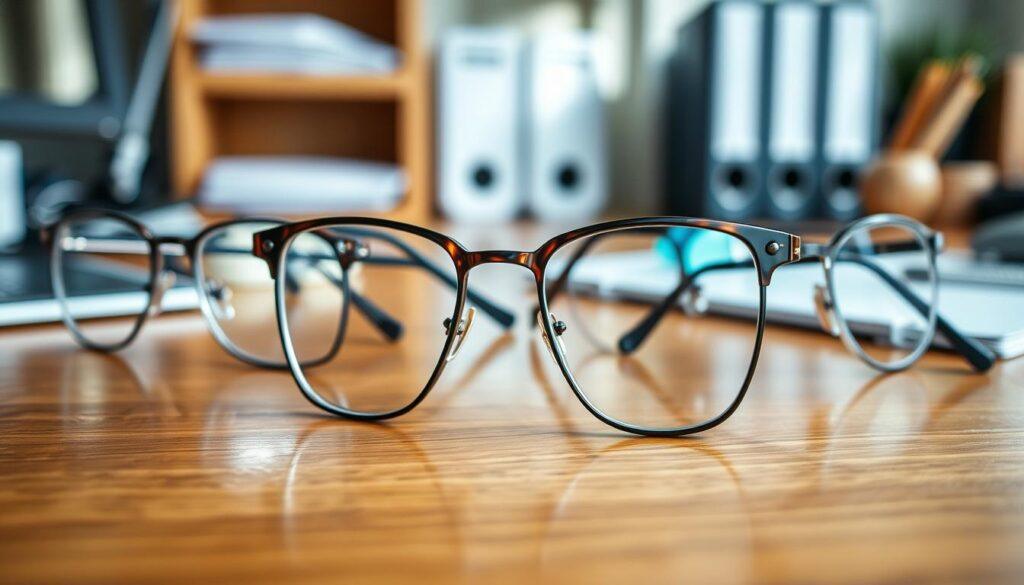
Glasses anti glare coatings frame shape cleaning and tilt tricks
Glasses can either make or break your headshot. The right pair can highlight your features, while the wrong one can hide them. Glare is a big problem, making you look like a villain instead of the hero.
To avoid this, anti-glare coatings are essential. If your eye doctor doesn’t offer them, it’s time for a change. These coatings help your eyes stand out without glare getting in the way.
Choosing Frame Shapes That Complement Your Face
Frame shape is also important. Thick, dark frames can make your eyes seem hidden. Instead, choose wireframes or subtle colors that match your eyes or hair. This lets your personality shine through.
The Microfiber Ritual: Cleaning and the Subtle Tilt Trick for Zero Reflection
The microfiber ritual is key for keeping your glasses clean. A microfiber cloth is better than using your shirt. Always clean your lenses to make them inviting.
Also, try the tilt trick. A slight tilt of your chin can eliminate glare. This small change can make a big difference in your headshot.
Watches belts ties scarves when to use or skip and how to style
Accessories can make or break your headshot look. Let’s start with watches. They’re not just for telling time; they make a statement. A big dive watch might say you’re trying to hide something. But a sleek, elegant watch whispers class and tradition.
The rule of thumb for watch etiquette is simple: if it’s thick, it’s a distraction.
Belts and ties are like frames for your face. A tie should draw the eye up without being too loud. Choose a tie with a subtle pattern, like a grenadine weave. It looks great without overwhelming you.
Belts should be simple and made of leather. They should match your shoes if they’re visible. In most headshots, they shouldn’t be.
Scarves are a powerful accessory when used right. A silk or cashmere scarf in a solid color adds depth to your look. It suggests you’re smart or have a lot of experience. Stay away from busy patterns; you want people to see your face, not get lost in a design.
| Accessory | When to Use | Styling Tips |
|---|---|---|
| Watch | Always | Choose slim designs; avoid thickness |
| Belts | When visible | Leather, simple, match shoes |
| Ties | When appropriate | Solid colors, textured fabrics |
| Scarves | For added flair | Solid colors, avoid busy patterns |
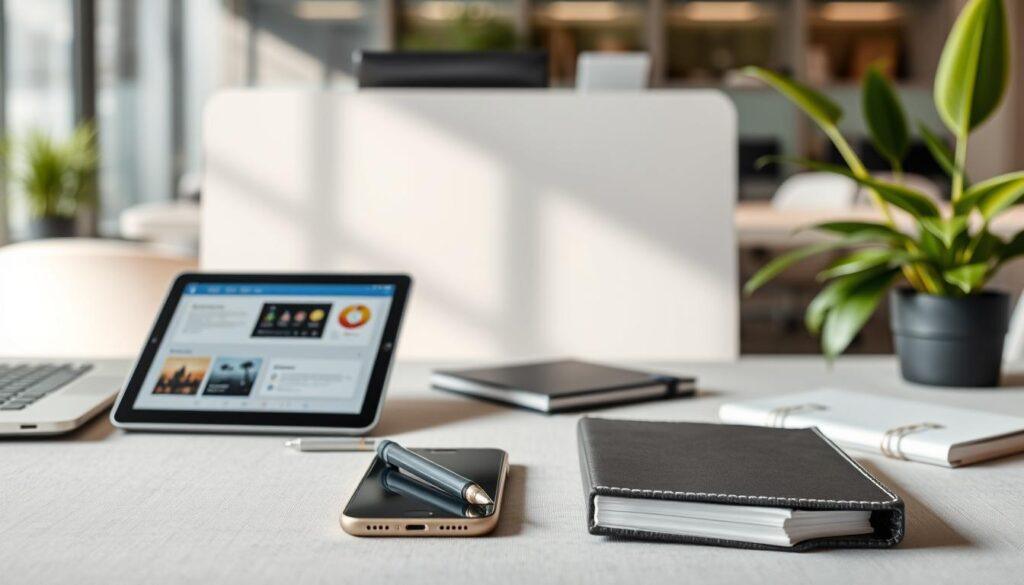
Tech props laptop tablet phone pen notebook product cameos and logo rules
In today’s world, tech props can make or break your headshot. Including items like laptops or tablets aims to show professionalism. But, it’s important to avoid the “glowing rectangle” effect. Let’s explore how to use these props wisely.
Laptop and Tablet Placement: Avoiding the Glowing Apple Effect
The glowing Apple effect is like the new red-eye. But, there’s a fix. Turn your screen away from the camera or dim it. This way, your device hints at your modernity without being too flashy.
A well-placed device says, “I’m tech-savvy.” But, a bright screen shouts, “Look at me!”
The Pen and Notebook as Classic Symbols of Preparedness
In a world full of screens, a pen and notebook stand out. A quality pen and a leather notebook show you value thoughtfulness. They contrast with our fast digital age, saying, “I prefer depth over breadth.”
Product Cameos and Logo Rules: Subtle Branding Without the Billboard
Using a product in your headshot is fine. But, your logo should be subtle, not loud. It’s like a whispered credential, not a shout. You want to look like a thought leader, not an advertiser.
A well-placed product can add to your story without taking away from your image.
| Tech Prop | Best Practices | Avoid |
|---|---|---|
| Laptop | Angle away, dim screen | Glowing screen |
| Tablet | Subtle context | Overexposure |
| Pen | Quality over quantity | Cheap plastic |
| Notebook | Leather-bound preferred | Digital devices |
| Product Cameo | Subtle logo placement | Overt branding |
Hand poses with props seated standing walking and crop awareness
Mastering hand poses in headshots is an art that can make or break your professional image. Hands can either enhance your presence or distract from it, so let’s explore how to position them effectively in various scenarios.
Seated Poses Using a Desk or Table to Ground Your Composition
When you’re seated, a desk or table becomes your best friend. It offers a natural stage for your hands, allowing them to rest lightly on a keyboard or hold a pen with intention. Imagine your hands creating a grounded triangle that draws the viewer’s eye right back to your face. This composition not only conveys competence but also invites a sense of approachability.
Standing and Walking Shots: Dynamic Energy Without the Blur
Now, let’s step into the realm of standing and walking shots. These poses are all about capturing dynamic energy while avoiding the dreaded motion blur. A slight lean or a jacket casually draped over your shoulder can convey relaxed authority. Remember, when your hand is in your pocket, always keep your thumb out. It’s a small detail, but it radiates confidence and ease.
Crop Awareness: What Your Hands Are Doing at the Frame’s Edge
Lastly, let’s talk about crop awareness. Nothing kills a professional vibe faster than a hand awkwardly severed at the wrist by the frame’s edge. Always be mindful of where your limbs end in the composition. You want to look like a CEO, not a character from a quirky indie film. So, keep your hands engaged and aware of their placement within the frame.
Pack and prep wrap polish microfiber batteries and backups
Packing for a headshot shoot can make or break your image. A well-stocked emergency kit is key. It should be as versatile as a Swiss army knife. A good plan keeps things smooth and ensures you capture every important shot.
Start with your polish kit. You’ll need a soft cloth for jewelry, a tiny brush for watches, and a lint roller for fabrics. A small speck of dust can ruin your look in high definition. That’s why microfiber cloths are essential. Use them to clean glasses, screens, and any shiny surface.
Now, let’s talk about digital props. If you need a tablet or phone for your shot, have backups ready. Make sure your batteries are charged, screenshots are saved, and brightness is set. A dead device can make you look unready.
Wrap delicate items in soft pouches to avoid scratches. This isn’t being picky; it’s showing you’re detail-oriented. When you prepare well, you avoid disasters and get a headshot that shows your professionalism.
Styling mistakes to avoid jingle glare brand clashes and tangled cords
In the world of headshots, some styling errors can echo louder than your credentials. It’s essential to avoid common pitfalls that can detract from your professional image. Let’s break down the most notorious styling mistakes to steer clear of.
The jingle effect when too many accessories create audible distraction
Ever heard of the jingle effect? This phenomenon occurs when you adorn yourself with so many accessories that you resemble a wind chime in a hurricane. While your photo may be silent, the visual noise can be deafening. Edit ruthlessly—less is often more when it comes to accessories.
Brand clashes when your props tell conflicting stories
Imagine sporting a rugged, field-ready watch alongside a bespoke Savile Row suit. It’s a fashion faux pas that screams confusion. Your props should align with a single, coherent professional identity. Every item you choose should reinforce your brand’s message, not muddle it. Brand consistency is key!
The tangled cord conundrum managing cables in tech shots
You’ve set the stage for a perfect tech shot, but a rogue charging cable snakes through the frame like an escaped anaconda. This screams, “I don’t sweat the details!” To maintain a polished look, consider cable management techniques. Use cable clips, shoot from angles that hide the wires, or edit them out entirely. A clean frame is a credible frame.
By avoiding these styling mistakes, you can present a headshot that not only captures your essence but also enhances your professional narrative. For more insights on accessories and their impact, check out why accessories matter.
Prop specific shots for website hero banners and social crops
Think of your headshot as a stage; the props are the supporting cast that enhance your narrative. When you’re crafting a visual identity, it’s key to think about how different platforms need different looks. Your website hero image is like a big canvas, where a wide shot can share your whole story.
In this space, you might include a carefully curated bookshelf behind you, an architectural model, or a piece of equipment central to your craft. This isn’t just a headshot; it’s a mission statement. But, what looks great in a 16:9 banner can become a mess when auto-cropped into a 1:1 social media square or a 9:16 vertical story. Imagine your impressive prop getting decapitated, leaving a confusing, unidentifiable blob in the corner of your image.
To avoid this, you need to plan for social crops. Shoot with the knowledge that the frame will be reshaped. Make sure your face and a key, simple prop stay visible even in the tightest crop. Sometimes, this means shooting a dedicated, tighter composition for social media, where the prop is a subtle hint—a coffee cup, a pen—instead of a sprawling set piece. Think modular, think adaptable, and always preview how your image looks as a tiny, circular avatar.
Mini checklist for props and accessories
We’ve covered the basics of headshot styling. Now, let’s put it all together with a handy checklist. This checklist is your secret tool for getting ready for photos. Begin by checking everything out before the shoot. This includes your clothes, jewelry, glasses, and gadgets.
Make sure they’re clean and in good shape. Does everything match your personal style? If not, it’s time to make some changes.
After you’ve got all your stuff ready, it’s time for a final check. Have someone take a quick photo of you before the real shoot starts. Look at it carefully. Are your glasses right? Is there a glare? Is your watch visible and not awkward?
This is your last chance to make any needed adjustments. For more details on what to include, check out this prop checklist. The aim is to show who you are in your photos. With this checklist, you’ll shine in your photos, on purpose.