
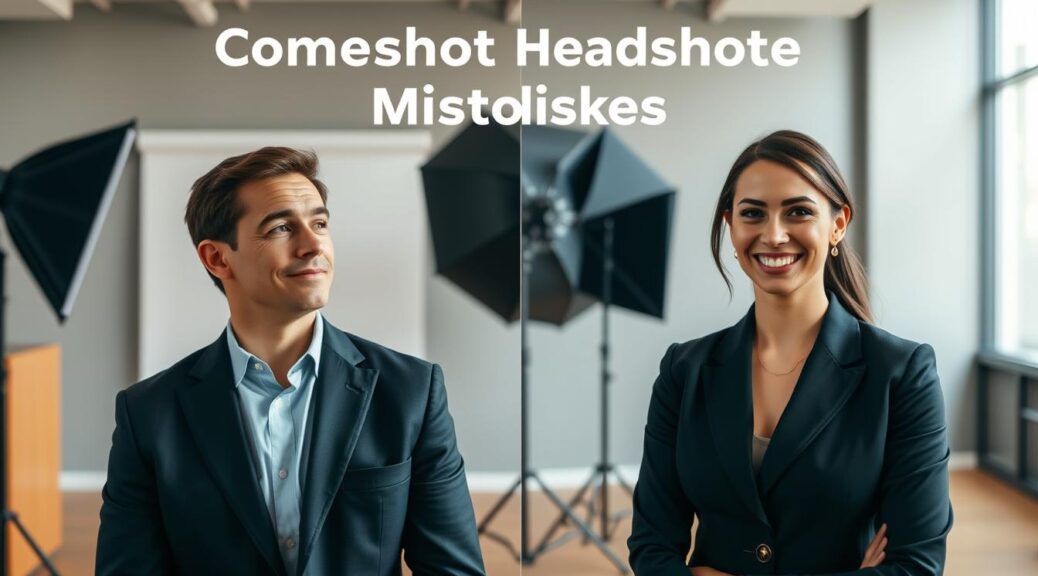
In the endless scroll of LinkedIn or the quick scan of a conference speaker list, your professional photo is your opening argument. It’s a non-verbal thesis statement that works long before you utter a word.
Consider this: 97% of buyers now search online first. Your portrait isn’t just decoration; it’s a credibility checkpoint. I’ve watched brilliant minds get instantly filed under “amateur” because of a single, glaring photo faux pas.
These aren’t vanity issues. They’re communication breakdowns with real career consequences. Drawing from industry analysis, like the breakdown of most common headshot mistakes, it’s clear we’re often our own worst enemy.
This section isn’t about vanity. It’s about strategy. We’re dissecting why that pixelated first impression might be whispering the wrong story.
Poor Lighting
Is your headshot lighting like Pulitzer prose or a police report? It’s not just about how bright it is. It’s about what it says without words. Lighting shapes your image’s story, and bad lighting can ruin it. Avoiding headshot mistakes to avoid is key to a good impression.
Imagine a spectrum of light. On one side, Rembrandt’s use of light shows character and soul. On the other, a DMV photo booth’s glare is harsh. Most bad headshots fall in the middle, under harsh fluorescent lights.
The overhead office light is a big mistake. It makes you look tired, like you’re working late at night. It’s like a boss who micromanages, showing every flaw.
The harsh direct flash is even worse. It makes your face look flat and your skin texture obvious. It’s like a light that interrogates, not illuminates.
Another mistake is flat, lifeless lighting. Think of a big-box store’s lighting. It’s even but lacks spark. Without catchlights in your eyes, you look dull and unengaged.
Why does this matter? Poor lighting quality makes a photo look old fast. Harsh shadows add years. Uneven brightness can make one side of your face look suspicious.
Good lighting shapes your image. It reveals and adds depth. Bad lighting does the opposite. It’s a critical headshot mistake to avoid because it sets the scene. Even with a great smile and sharp suit, wrong lighting can ruin everything.
Bad Cropping
Bad cropping is like a speaker mumbling into their lapel. You’re there, but nobody can see you. It’s a key headshot mistake to avoid, yet it happens a lot. Why? Because cropping is more than just cutting edges. It’s like directing your portrait.
Too much empty space above your head? You look lost and small. It’s like being a timid actor on a huge stage. On the other hand, a crop that cuts off your head or shoulders feels wrong. It’s like a visual mistake that takes your eyes away from your face.
This isn’t about art. It’s about basic composition. The goal is to frame you intentionally. Forbes and others suggest the “head and shoulders” crop as the safest choice. Your eyes should be in the upper third of the frame, making it the focus.
Let’s look at the golden ratios for a standard professional look:
- Frame from mid-chest to just above the head.
- Leave a little space above the hair, but don’t waste space.
- Keep the shoulders in the frame and square.
The wrong aspect ratio can also hurt you. A vertical portrait is great for Instagram but looks bad on LinkedIn. Knowing your platform’s specs before you shoot is a useful photo tip.
This is your lesson in photographic punctuation. A good crop ends your portrait with confidence, not confusion. Getting it right is essential for a polished image.
Outdated Wardrobe
Your clothes in a headshot are more than just fabric. They send a message about your professional identity before you say a word. If you choose poorly, you might not be speaking the right language.
That loud, zebra-stripe pattern? It doesn’t say “creative dynamo.” Instead, it grabs too much attention, causing a dizzying effect. The corporate logo on your shirt is not a sign of team spirit. It’s a neon sign saying, “I came straight from the warehouse floor.”
These are common headshot mistakes to avoid. Your outfit should support your face, not steal the show.
To dress right, align your clothes with your role. A three-piece suit might look stiff for a tech innovator. A hoodie might look too casual for a law partner. The University at Buffalo’s career office warns against this to help you fit in.
| The Mistake | The Silent Message | The Strategic Fix |
|---|---|---|
| Loud Patterns & Logos | “Look at my shirt, not my eyes.” Creates visual noise and amateurish moiré. | Opt for solid, mid-toned colors. They frame your face without a fight. Your brand is you, not your employer’s logo. |
| Formality Faux Pas | “I don’t understand the culture here.” Signals a lack of research or social awareness. | Research the industry’s visual language. “Business casual” for a startup differs from a finance firm. When in doubt, lean one notch more formal. |
| The Fit Fail | “I’m uncomfortable in my own skin.” Baggy or tight clothes undermine your authority. | Wear garments that fit your body now. Shoulder seams should sit at your shoulders. A tailor is a better investment than a new shirt. |
The goal is to support silently. Your blazer’s cut should direct attention upward, not its plaid pattern sideways. A well-fitted sweater in a simple color conveys approachable competence. It’s about crafting a timeless professional appeal that won’t scream “2024!” in 2026.
Dress not for the person you are in the mirror, but for the professional you want to be seen as through the lens. That’s the strategic win.
Distracting Backgrounds
Your background should be the set, not the main attraction. Yet, many people make the mistake of letting their backdrop steal the show.
A cluttered bookshelf or a busy café can make your headshot look like a puzzle. Instead of focusing on your eyes, people will be distracted by the background.
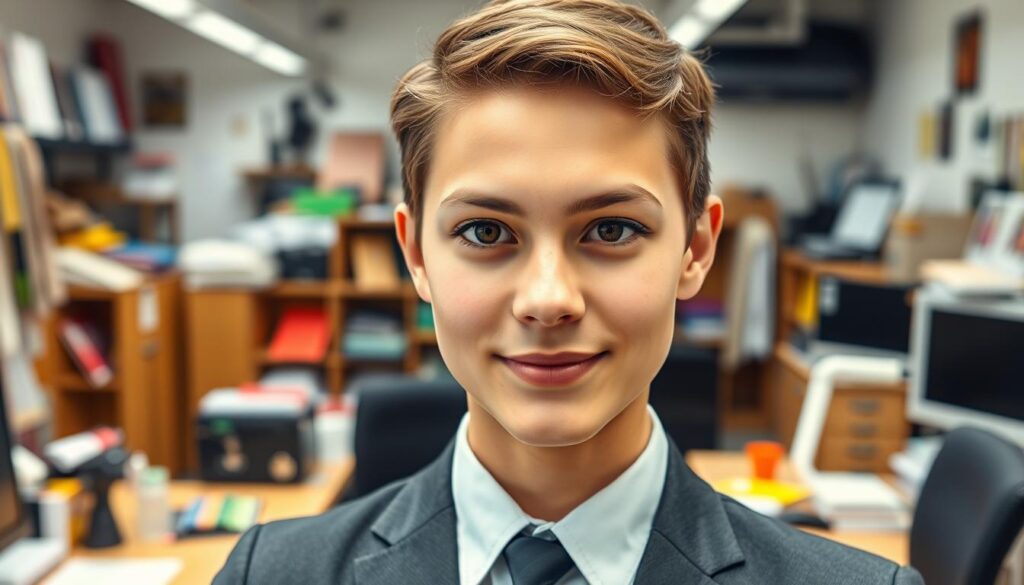
This isn’t just about looks; it affects how our brains work. We naturally notice chaos and patterns. A busy background can overwhelm your image, making it seem like you didn’t plan it.
University career centers know this. They recommend simple, clean backgrounds for a reason. The rule is simple: if the background gets more attention than your face, it’s wrong.
So, what’s the fix? You have two main options. You can go for a studio backdrop, which is clean and focuses all attention on you. This is great for a strong professional image.
Or, you can choose a background that supports your story. For example, a sleek office for an executive or a blurred bookshelf for a writer. This way, the background adds to your image without taking over.
The goal is to keep the background in its place. It should add context, not compete with you. Whether you pick a simple or subtle background, make sure it’s about you, not your surroundings.
Avoiding this mistake means giving your professional image the spotlight. Don’t let a busy background or a stray plant overshadow you. Your image needs a clean stage.
Over-editing
We’ve all seen that LinkedIn profile: the person looks less like a human and more like a wax figure. This is the end of digital vanity, where the slider bar leads to a big mistake. You’ve traded credibility for a creepy, poreless look.
A subtle retouch is smart editing. But a full-scale digital rewrite is not. It’s like polishing a diamond versus replacing it with cubic zirconia.
The psychology is fascinating. In a world full of Instagram filters, we think “flawless” means good. But in work, that’s not true. Plastic skin shows insecurity, not success. LinkedIn and experts say being real builds trust. A face without texture looks alien.
Where does it go wrong? It starts with skin, smoothed into a featureless sheen. Then, teeth are whitened too much, looking fake. Eye brightening is also overdone, making the subject look like they’re receiving signals from space.
The result is a portrait that screams “edited.” It doesn’t show the best version of you; it shows a digital stranger. You should instantly recognize the person in the frame, on their best day.
To avoid this, you need a clear guide. The table below shows the difference between good editing and over-editing.
| Feature | Authentic Polish (The Goal) | Over-Editing Fail (The Mistake) |
|---|---|---|
| Skin Texture | Softens minor, temporary imperfections while preserving natural pores, freckles, and character lines. Skin looks real and touchable. | Erases all texture, creating a uniform, “plastic” or waxy surface. The face lacks dimension and appears artificially smooth. |
| Teeth & Smile | Lightens yellow tones for a clean, healthy look. Teeth remain a natural shade of white that matches the overall image tone. | Applies extreme whitening, making teeth glow an unnatural, bright blue-white. They become the distracting focal point of the portrait. |
| Eyes & Brightness | Brightens the whites of the eyes subtly to reduce redness and add sparkle. Clarity is enhanced without altering eye color. | Over-lightens the eye whites, creating a ghostly or cartoonish effect. Can make eyes look artificially large and “uncanny.” |
| Face Shape & Contour | Uses lighting and minimal shading to gently define jawlines and cheekbones, as a great photographer would. | Aggressively slims the face, reshapes the jaw, or alters bone structure. The result rarely matches reality and looks digitally manipulated. |
| Final Credibility Score | High. Viewers see a competent, approachable professional they feel they can trust. | Zero. Viewers see someone trying too hard, which raises doubts about honesty and authenticity. |
A headshot is like a professional handshake, not a fantasy avatar. Every extreme adjustment makes you less real. In today’s world of deepfakes, being genuine is key. Avoiding this mistake means using tech to show your best self, not to create a stranger.
Your portrait should pass the mirror test. If the person staring back is a stranger, you’ve gone too far. Dial it back. Your credibility—and your connections—will thank you.
Fake Expressions
A forced smile in a headshot is like a laugh track in a bad sitcom. Everyone knows it’s fake, and it ruins the whole thing. The “say cheese” grimace is a sign of discomfort. The serious, unapproachable scowl? It’s not authoritative, but uninviting.
These are major headshot mistakes to avoid. They can hurt your professional image before you even meet.
Fake expressions show in small ways, like a tight jaw or dead eyes. Your body shows stress. A perfect photo with a blank stare is a failure. It shows you dislike being photographed, not that you have solutions.
To show real feelings, it’s about being, not posing. A good photographer is a coach, not a boss. They might ask you to remember something funny or think of someone you love. The goal is a real reaction, not a fake smile.

Your eyes are key. Do they show you’re engaged or just waiting for it to end? The difference is huge. Being genuine is attractive; it makes people want to connect with you.
To avoid mistakes, relax your posture and breathe. Unclench your jaw and think of something funny. The camera picks up energy, not just images. For more on common mistakes, it’s good to know them all.
Your headshot is like a handshake. A fake smile is like a weak handshake. But a real one? That’s a strong, warm handshake that starts a good professional relationship. Don’t let a stiff smile make someone skip over your profile.
Checklist Before Uploading
Think your headshot is ready for its digital close-up? Let’s do a final check. This is your last chance to avoid common mistakes. It’s more than a checklist—it ensures your headshot looks polished and professional.
First, check the lighting. Do your eyes have soft catchlights, or does it look dark and flat? Examine your clothing. Is your blazer solid and neutral, or is there a distracting pattern? Your background should be simple and uncluttered, not busy.
Your smile should be genuine and subtle. Avoid an overly wide grin or a harsh expression. Be honest with yourself, as a trusted mentor would be. For additional guidance on common photo pitfalls, Residency Advisor offers helpful advice.
Finally, consider timing. Is your photo uploaded to ERAS (or your professional platform) with plenty of lead time? Following this checklist is like having seasoned advice at your fingertips—it helps you avoid mistakes and make a strong first impression.
Much like global collaborative art projects, where multiple artists contribute expertise and refinement to create a cohesive final piece, this final headshot check ensures that all elements—lighting, clothing, background, and expression—work together harmoniously. The result is a professional image that opens doors and strengthens your personal brand.