AI Trademark Branding is no longer only a filing issue for lawyers. It is also a presentation issue: the name you choose, the logo you approve, the images you publish, and the way your people show up in public all send signals about source and trust.
That matters because branding works much like body language. A steady stance, clear eye contact, and consistent dress cues help people understand who is … Read the rest
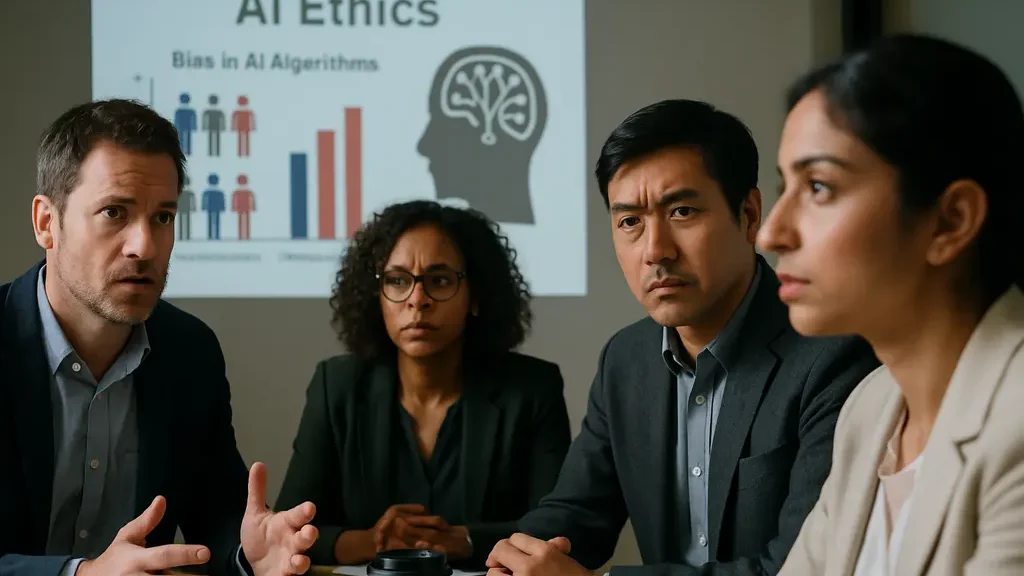
Professional branding now often passes through AI tools before a person, recruiter, client, or audience sees the final version. That may mean an AI-assisted headshot, a rewritten bio, a generated speaker profile, a hiring summary, or a set of suggested adjectives for a candidate. These tools can be useful, but they can also repeat gender patterns that make some people appear warmer, more emotional, less technical, more strategic, or more … Read the rest
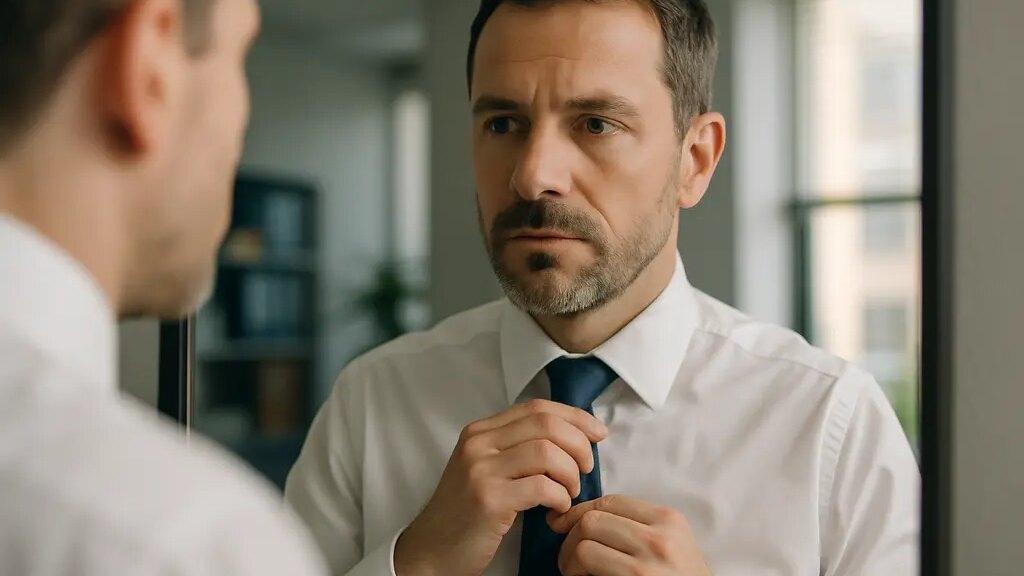
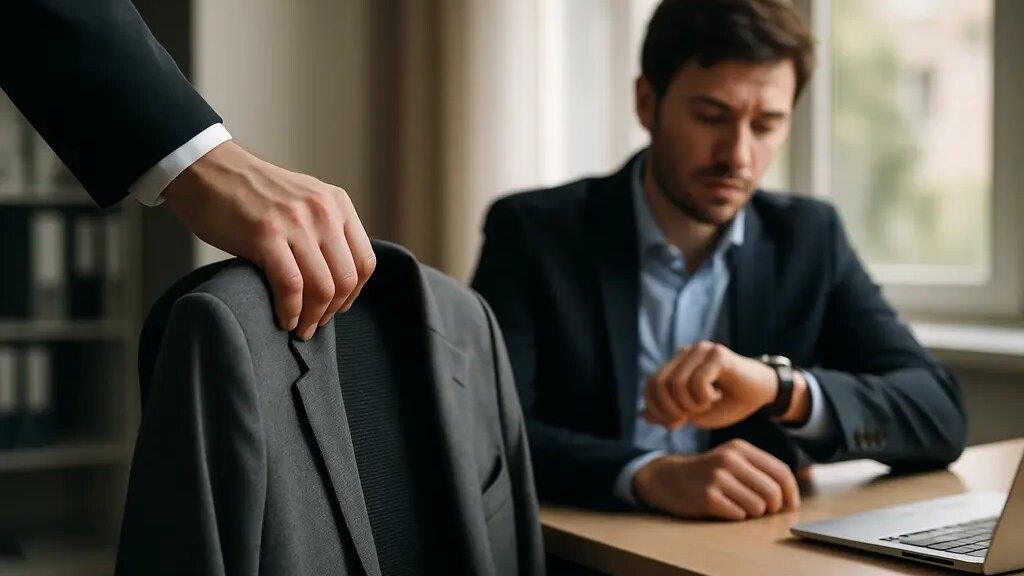
Interview Dress Norms are harder to read than they were before remote and hybrid work became common. A candidate may be interviewing with a company that has no formal dress code, a team that works mostly on video, or a senior leader who still expects traditional polish. The safest answer is not to dress stiffly. It is to dress with clear intent: clean lines, good fit, appropriate formality, and enough … Read the rest
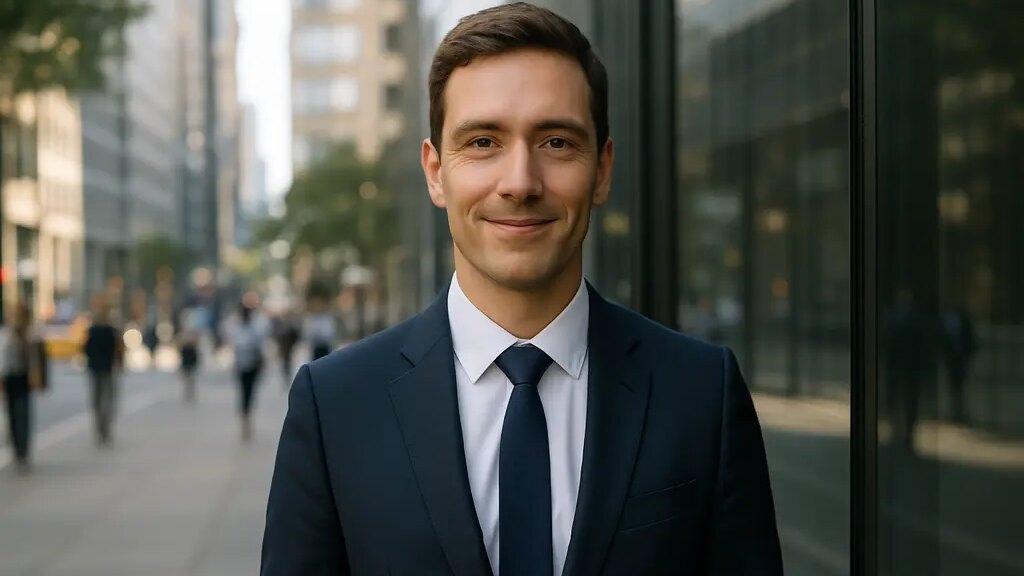
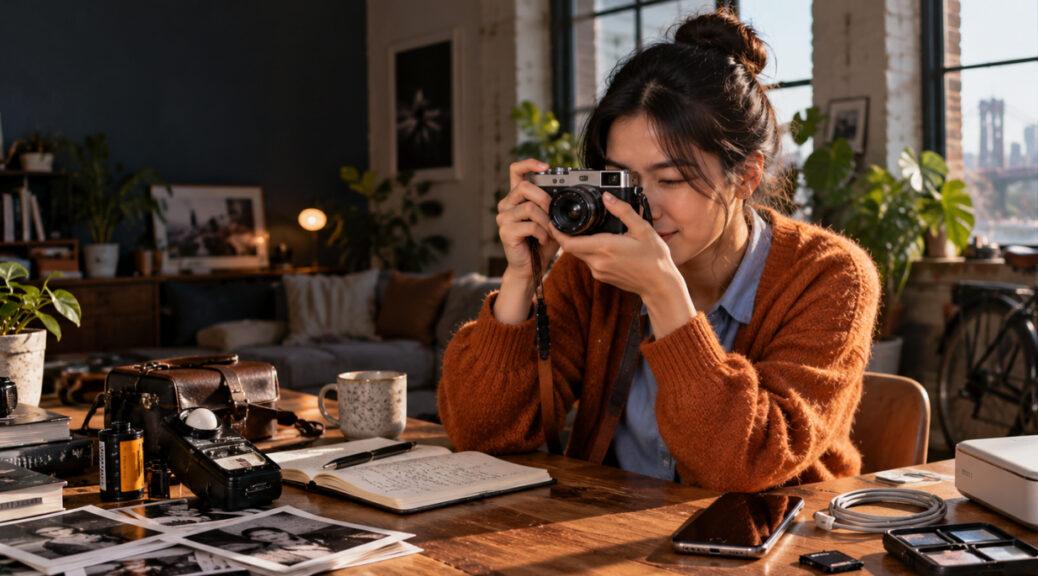
Your LinkedIn profile picture is outdated. It’s like a stone bust, not very dynamic. In today’s fast-paced world, a static smile misses the mark.
We’ve moved from silent films to “talkies.” What used to be enough is now too little. Your brand needs more than just a face; it needs voice, expression, and body language.
When do you choose video over a photo? It’s all about psychology and grabbing attention. … Read the rest
A professional image in a job interview is not created by clothing alone. It comes from the way your attire, posture, facial expression, voice, and listening behavior work together. The goal is not to act like someone else. The goal is to make your competence easier to read.
Interviewers are evaluating job fit, communication, preparation, and credibility. Your answers carry the substance, but your nonverbal behavior can make those answers … Read the rest
A passport photo gives you remarkably little room to control how you look.
You cannot choose an interesting background.
You cannot turn toward your more flattering side.
You cannot hide behind sunglasses.
You cannot use a beauty filter afterward.
And according to current U.S. Department of State guidance, you should not digitally retouch, reshape or enhance the photograph—including with artificial intelligence.
That leaves one surprisingly important variable under your control:… Read the rest
Fujifilm’s newest Instax camera does something that would have sounded slightly strange during the early years of digital photography.
It deliberately tries to feel more analog.
On September 14, 2026, Fujifilm North America announced theInstax Pal 2, the second generation of its tiny digital-only Instax camera. The new model is expected to reach the U.S. market in late September for $169.95, available in black or white.… Read the rest
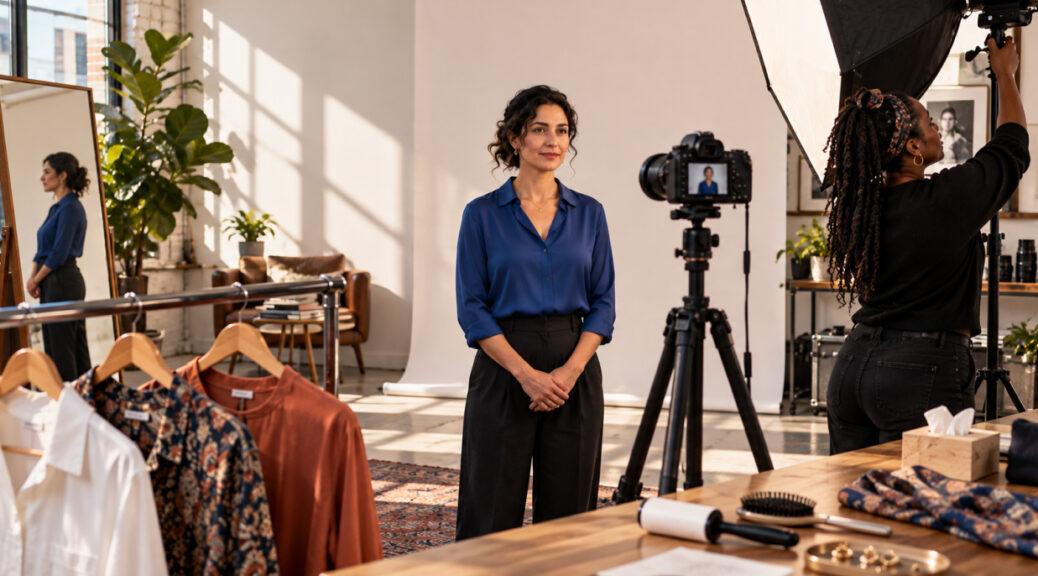
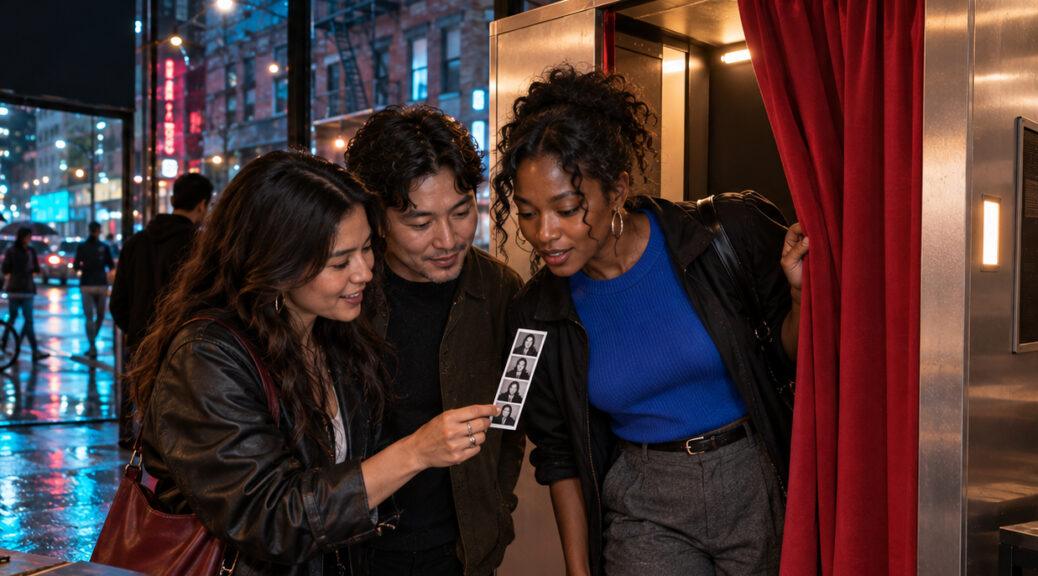
New York has no shortage of ways to make a portrait.
A phone can capture hundreds of images in minutes. A professional photographer can tether a camera to a computer and review every frame immediately. AI-powered editing tools can remove distractions, adjust expressions and transform backgrounds after the shutter has been pressed.
Yet at the International Center of Photography on Manhattan’s Lower East Side, one of the current attractions works … Read the rest
casual dress codes can make interview branding harder because the words sound relaxed, while the meeting still carries professional stakes. A candidate is not only choosing clothing; they are choosing how their judgment, self-awareness, and attention to context will be read before they answer the first question.
That does not mean every interview requires a suit. It does mean the outfit should support the message you want your posture, eye … Read the rest
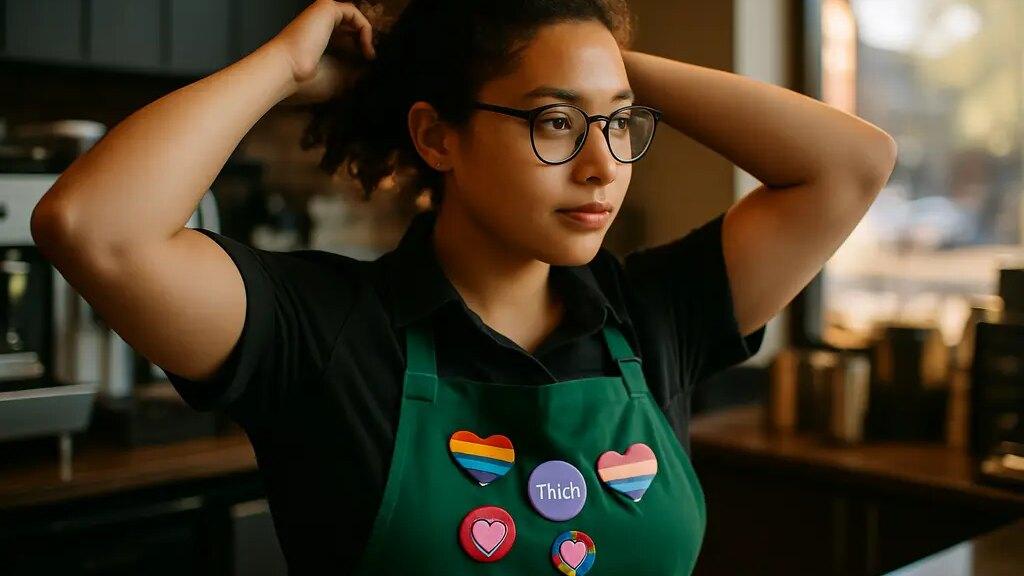
Starbucks’ recent dress code changes offer a useful case study for any workplace that wants a clearer visual standard without weakening trust. As a personal styling advisor, I see dress codes from two angles at once: they shape brand presence for customers, and they shape how employees carry themselves, communicate confidence, and feel respected in the room.
This is not legal advice. It is a practical reading of the reported … Read the rest