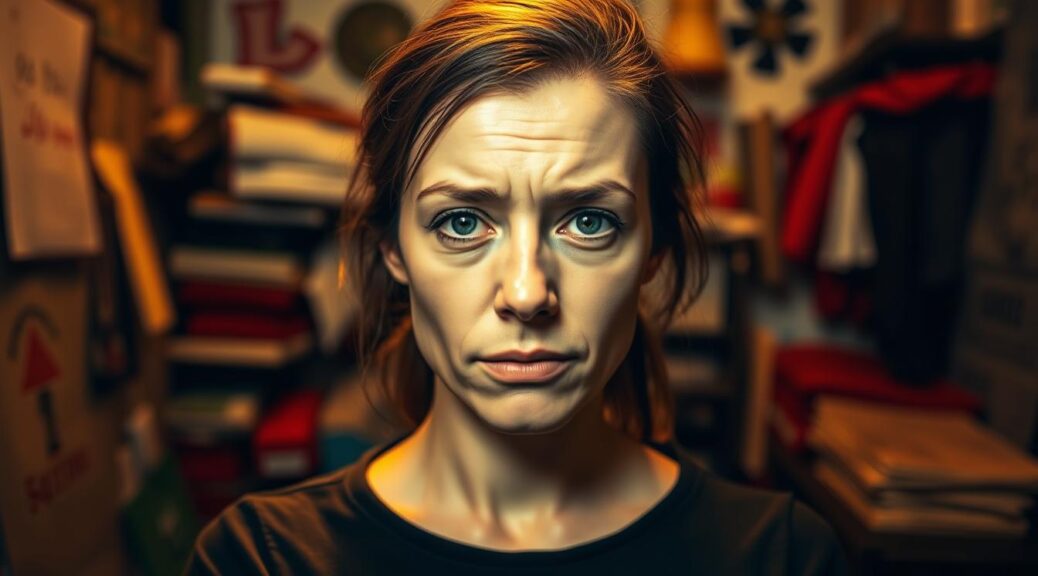
Your headshot is like a digital handshake. It’s the first thing people see that builds trust before you even meet. In today’s world, that small image is more important than your whole resume.
I’ve seen many careers ruined by bad photos. The sad part? Most people don’t know they’re making a mistake until it’s too late.
These aren’t just about camera quality. They’re small mistakes that shout “amateur” loudly. Your headshot can either open doors or shut them.
Key Takeaways
- Your professional image creates immediate trust or skepticism
- Subtle errors can undermine your credibility instantly
- Digital first impressions often precede personal meetings
- Photographic quality matters less than compositional intelligence
- What feels comfortable in the moment may haunt your career
- Your headshot functions as a strategic business asset
- Most professionals underestimate their visual impact
Over/Under-dressing
Choosing the right outfit for professional photos is tricky. I’ve seen many wardrobe mishaps, from clients dressing too flashy to those looking like they just woke up. It’s like a fashion disaster show.
The over-dresser looks like they’re going for the Kentucky Derby’s Best Dressed award. They wear too much sparkle, wide ties, and lots of jewelry. On the other hand, the under-dresser dresses too casually, wearing faded band tees and old jeans.
Here’s the key pro advice: Your clothes should show you’re a competent professional, not a mess. Think of your outfit as a supporting actor. It should help you shine without taking over.
Wearing solid colors that match your skin tone is a game-changer. They’re like a reliable friend who always looks good. Busy patterns and prints, however, are like the attention-seekers who overshadow you.
It’s important to dress appropriately for your industry. Lawyers shouldn’t dress like rock stars unless they’re representing Mick Jagger. Creative types can be bold, but still keep it tasteful.
Wrinkled clothes are like having spinach in your teeth. They’re noticeable and can ruin your photo. Clothes that don’t fit right can make you look like you’re playing dress-up or trying to fit into old clothes.
The goal is to dress like the best version of yourself in your field. It’s about showing your professional side, not hiding who you are. That’s the pro advice for making great headshots.
Poor Grooming Habits
Your forehead shouldn’t be like a solar panel in your professional headshot. I’ve seen more grooming disasters than a reality show makeover episode. These headshot mistakes show “I chose my morning coffee over looking good.”
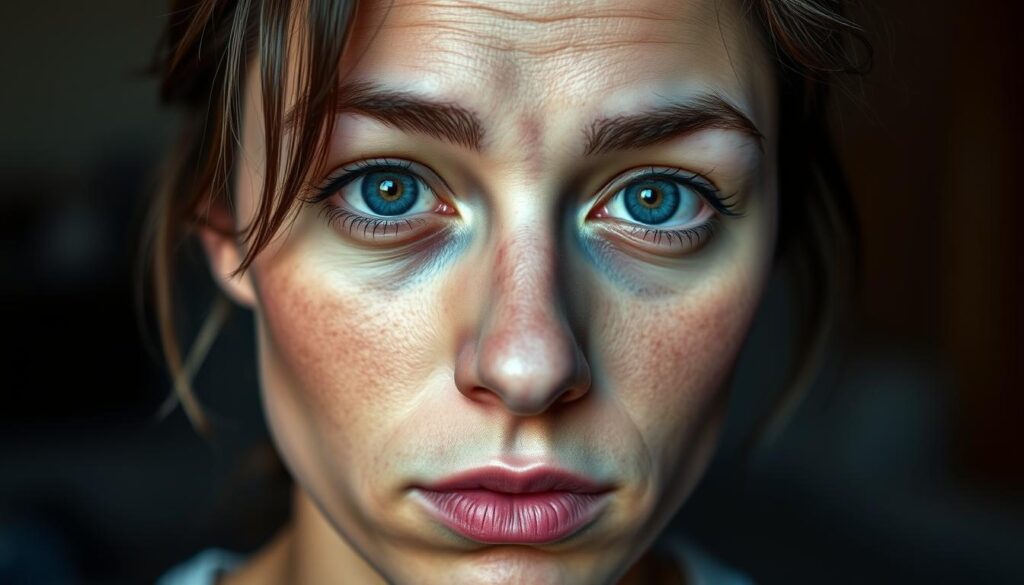
Grooming is like your visual handshake. Would you shake hands with a clammy, limp grip? No. Yet, many professionals look like they’ve been through a wind tunnel in their headshots.
For women, the goal is enhancement, not a complete change. Light makeup should enhance your features without being too obvious. A bit of concealer and powder can make a big difference. It’s the line between looking polished and looking like a zombie.
Men, listen up: facial hair should be on purpose, not by accident. That “five o’clock shadow” is okay for a barbecue, but not in a headshot. It looks like you didn’t care. A clean shave or a well-groomed beard shows you pay attention to details.
Pro tip: carry a small grooming kit with you. It should have:
- Oil-blotting sheets
- A small comb or brush
- Translucent powder
- Lip balm
Think about getting professional hair and makeup services. It’s not just about looking good; it’s about strategy. These experts know how to make you look great without looking fake.
Remember, your headshot is not a casual photo. It’s your visual business card. Treat grooming as seriously as you would preparing for a big presentation. In today’s digital world, your image is often your first impression.
Avoid these headshot mistakes and you’ll show competence right away. Your future self will be grateful when you get that promotion.
Last-Minute Wardrobe Changes
Imagine you’re just minutes away from your big moment. You’re staring into a garment bag, unsure if it’s perfect or disastrous. This last-minute fashion panic can ruin your photos.
Here’s the pro advice you need: treat your shoot wardrobe like a NASA mission. Every piece must be tested and ready days before. That “interview lucky shirt”? It might have a stain that looks like a bad life choice.
Smart preparation means choosing the right clothes, not stuffing your closet into a bag. I’ve seen clients with seven black shirts, like they’re trying out for a spy movie. The camera catches things we don’t, like bad fits and stains.
Your real pro advice checklist should include:
- Test all clothing for fit and movement 48 hours before
- Coordinate with your photographer on color and style choices
- Prepare 2-3 curated options maximum
- Check for stains, wrinkles, and unexpected wear
- Ensure proper undergarments that don’t create lines or bulges
The day of your shoot is for performing, not for fashion doubts. That striped shirt that makes you look like a bar graph? Your photographer could have warned you if you’d asked.
Remember: your future self will thank you for not wearing that outfit. It’s not just clothes – it’s how you’re seen. Plan well, don’t panic.
Final piece of pro advice: if you’re having a fashion crisis in the dressing room, you’ve already lost. Plan like a pro, shoot like a star.
Distracting Accessories
Your accessories should enhance your face, not overshadow it. I’ve seen jewelry that’s too bold, like a rapper’s convention. These pieces fight with your facial features instead of adding to them.
That big necklace might look great in person. But on camera, it can look like a structure around your neck. Earrings that are too big can be distracting, making you look less professional.
Glasses can be tricky in photos. They might make you look smart or like you’re looking through a fish tank. It all depends on the lighting and reflections.
The best approach is to think of accessories as supporting actors. They should add to your look without taking over. If your necklace is more noticeable than your smile, you’re making a headshot mistake.
Don’t wear watches or bracelets that might draw attention away. That fitness tracker is best left for the gym unless you’re a pro athlete. Your headshot should focus on you, not look like a commercial.
Remember, simplicity is key in professional photos. Your face is the main attraction. Everything else should support it, not compete for attention.
Wrong Attitude = Bad Shots
I’ve seen more smiles on tax auditors than at photo shoots. It shows in every photo. That tense look? It’s like a browser icon that never stops.
Your attitude shows through the lens like a bad Wi-Fi signal. Everyone feels it. The camera captures your mood with no filter.
Here’s the key pro advice: your photographer isn’t doing surgery. We’re not here to hurt you. The best photos come when you forget you’re being shot and just be.
Think of what makes you happy – your dog, a vacation, or realizing remote work is here to stay. Your face will show where your mind is. Being real is better than being perfect.
Your body language is key. Keep your shoulders back but relaxed. Angle your body slightly towards the camera. Keep your chin up, showing curiosity, not suspicion.
Work with your photographer as a team, not a boss. Good photographers help you find natural smiles, not fake ones. This is important pro advice many miss.
Confidence isn’t about being flawless. It’s about feeling at ease in your skin. The difference between looking good and feeling trapped is relaxation.
Take a deep breath before the photo is taken. Seriously, breathe. The camera can see tension in your body from far away.
Remember, natural is better than forced. The best professional photos show someone who looks friendly, confident, and present. Not someone acting for an invisible crowd.
Your face tells a story before you say a word. Make sure it’s the story you want to share.
Forgetting to Prep
Walking into a headshot session without preparation is like attending a TED Talk without a script. It’s a common headshot mistake that shows the difference between professionals and those who still use their driver’s license photos on LinkedIn.
Preparation is more than just picking a shirt that doesn’t clash with the backdrop. It’s a detailed plan that would impress Sun Tzu. I’ve seen clients realize during the session that their “corporate power pose” looks more like they’re trying to remember if they left the stove on.
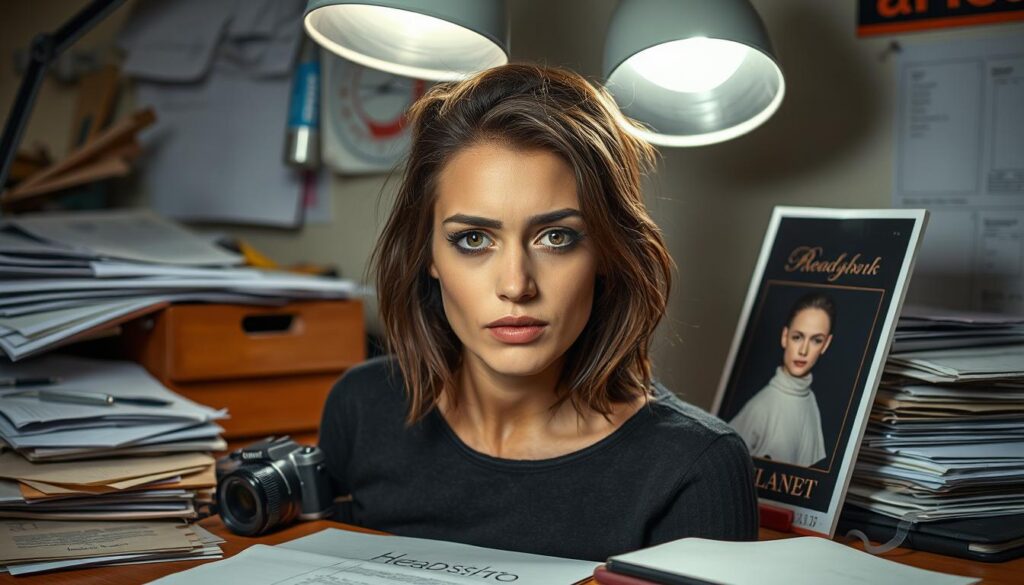
Real preparation means practicing expressions in the mirror until you find the right balance. It’s about finding the sweet spot between “approachable executive” and “not actually smiling.” You also need to research poses that suit your face shape, as what works for Ryan Reynolds might not work for you.
It’s important to understand your industry’s visual language. For example, if you’re a tech startup founder, you need to look innovative but stable. If you’re a lawyer, you should project authority without being unapproachable. These details are crucial.
The night before your session, don’t try out new outfits or skincare products. It’s for hydration, proper sleep, and practicing that slight head tilt that shows you’re competent but also human.
Showing up unprepared means your photographer has to do a lot of work in post-production. We can do amazing things, but we can’t give you confidence or make you look rested. Proper preparation turns a good headshot into a valuable asset, not just another headshot mistake.
Remember, your headshot is often the first impression in a digital world. Coming unprepared is like showing up to a handshake with clammy palms and avoiding eye contact. Don’t be that person.
Not Asking for Expert Advice
Many clients start headshot sessions without a plan, like a GPS-denier in a foreign city. They think their “sense of direction” is enough. But this usually leads to photos that look more like abstract art than professional business assets.
Professional photographers do more than just click buttons. We’ve spent years learning how light shapes features, which angles hide concerns, and how fabrics look under studio lights. That pro advice you’re not asking for could make a huge difference. It could turn a headshot into a door-opener or a door-closer.
I’ve seen clients choose lighting setups that create shadows where they shouldn’t. They pick angles that make even a supermodel look like a potato. Thinking you know better than professionals is like trying to do your own dental work after watching a tutorial.
Investing in professional expertise really pays off. Your headshot is like business equipment, not just for vanity. Quality photography shows your value before you even speak.
Learning proper preparation techniques from experts can change your whole session. The right pro advice helps you avoid wasting money on bad results.
Remember, professionals actually know what we’re doing. We know the small details that make good headshots great. That’s why you hired us in the first place.
Don’t try to handle your professional image yourself. The cost of mistakes far outweighs any savings from doing it alone. Smart professionals know some investments need expert advice.
Conclusion: Success Starts with Preparation
Think of your headshot as your visual handshake in a world that judges books by their covers. The difference between a photo that opens doors and one that gets you ghosted often comes down to preparation. Those who treat headshots like a casual selfie session typically learn this lesson the hard way.
We’ve walked through the gallery of headshot mistakes – from fashion faux pas to attitude problems. Each misstep reveals a simple truth: your preparation quality directly impacts your final result. This isn’t just about avoiding bad photos; it’s about crafting an image that accurately represents your professional value.
Your headshot operates as currency in the economy of first impressions. Investing time in proper preparation pays dividends across LinkedIn profiles, company websites, and speaking engagements. The professionals who nail their headshots understand they’re not just taking pictures – they’re building their personal brand one pixel at a time.
So do the work. Consult experts. Prepare like your career depends on it – because in many ways, it does. In the attention economy, your headshot might be the most valuable real estate you own.