

Authentic Visual Storytelling is not about looking flawless in every frame. It is about helping people understand who you are, what you stand for, and why your expertise deserves attention before they read a full biography or sales page.
The Refined Image framing in the brief connects luxury, trust, visual authority, legacy, clarity, and consistency. Those are useful personal branding standards, especially for entrepreneurs, consultants, authors, founders, and public-facing professionals. Still, the strongest image strategy should not rely on status signals alone. It should make your values and judgment visible through real settings, real details, and ethical presentation.
As a branding advisor, I often remind clients that self-presentation is not vanity. It is communication. Your clothing, expressions, spaces, props, and image sequence all tell people what kind of professional experience they can expect from you. The goal is not to create a false character. The goal is to present the clearest version of your professional identity.
Why Authentic Visual Storytelling Builds Trust
Authentic Visual Storytelling Starts With Human Signals
A June 23, 2026 Clutch survey of 408 U.S. consumers found that 93% said brand communications need to feel as if they came from a real person, while 55% viewed a brand less favorably once they could tell creative content was AI-produced, according to the Clutch human signals survey. The same report found that 78% felt more favorable toward a brand when visuals were hand-illustrated.
For personal brands, Authentic Visual Storytelling means letting human evidence show. That may include a thoughtful facial expression, a real working space, hands interacting with materials, a client-ready notebook, a marked-up manuscript, a speaking-stage moment, or a portrait that feels composed without feeling cold. The details do not need to be dramatic. They need to be believable.
Polish Should Support, Not Hide, The Person
Refinement has value. Good lighting, strong composition, well-chosen clothing, and consistent color direction help people read your brand faster. The problem begins when polish removes all signs of personhood. A personal brand can look expensive and still feel distant if every image appears generic.
A better standard is purposeful polish. Clothing should fit the role you want people to associate with you. Backgrounds should support your message rather than compete with it. Retouching should respect your real appearance. The image should feel prepared, not manufactured.
Turn Visual Authority Into A Story System
Use Micro-Stories Instead Of Generic Claims
The Digital Silk 2026 Whitepaper identified “authenticity through micro-storytelling” as a trend, describing credibility built through small, specific visual stories that show real people, real outcomes, and concrete details rather than broad promises, as noted in the Digital Silk 2026 Whitepaper.
That idea translates well to personal branding. Instead of using only one formal headshot, build a small image sequence that shows how your expertise works. A strategist may need one direct portrait, one planning scene, one speaking or teaching image, and one quiet detail shot of tools used in the work. A writer may need images that show reading, editing, note-taking, and public-facing presentation. If your brand story includes books, essays, or expert-led publishing, Leap Year Publishing within the network can provide editorial resources that enhance your narrative.
Build A Repeatable Visual Brief
A visual brief keeps your images from becoming a random set of attractive photographs. Before any shoot, write down the message each image category must carry. This is especially useful for luxury-leaning brands, where the pressure to look polished can sometimes overpower the need to communicate substance.
- Authority: What visual cues show that you know your field?
- Access: What makes you feel approachable and human?
- Process: What can people see about how you think or work?
- Values: What should never be implied if it is not true?
- Consistency: Which colors, textures, settings, and poses fit your brand voice?
This brief becomes a practical filter. If an image looks attractive but communicates the wrong message, it does not belong in your core brand set.
Ethical Image Choices For Personal Brands
Show Real Evidence Without Overstating It
Ethical image selection matters because personal branding can easily slip into performance. A rented office can imply a business structure you do not have. A staged meeting can suggest a client relationship that does not exist. A luxury setting can signal financial or professional scale that is not part of your real work.
You can still create aspirational images, but they should be grounded in truth. If you work from a home studio, show it with intention. If your service is advisory, show thinking, planning, and communication rather than pretending to lead a large team. If you are early in a venture, use visuals that suggest clarity and seriousness, not exaggerated reach.
Protect Consent, Context, And Dignity
Whenever other people appear in your brand visuals, consent and context should be part of the planning process. People should understand how the images may be used, where they may appear, and whether the usage could affect their own professional image. This applies to team members, clients, collaborators, and event participants.
For professionals building a public image, ethical review also includes inclusion, visual stereotypes, setting choices, and whether an image could mislead viewers. For a deeper related discussion, Finest Image has a practical article on ethical image selection for professional brands.
How To Plan A Refined Brand Shoot
Choose Scenes That Carry Meaning
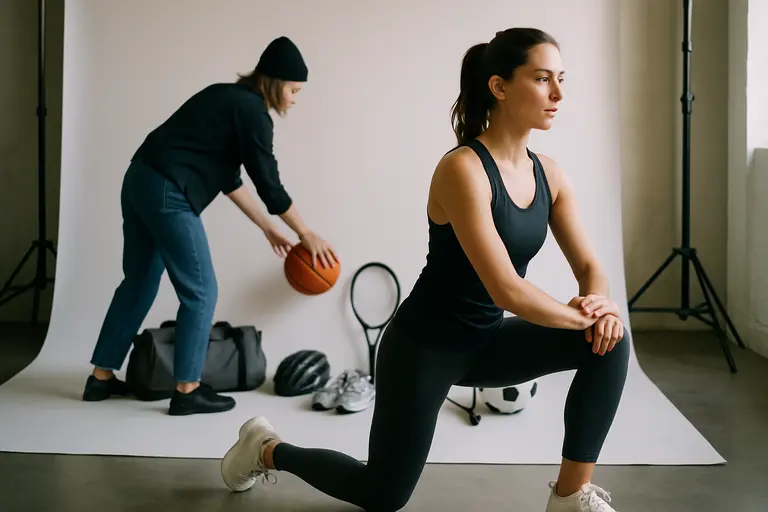
A refined brand shoot should begin with story, not wardrobe. Ask what the audience needs to believe after seeing the images. Do they need to see calm judgment? Creative direction? Technical skill? Warm leadership? A legacy-minded point of view? Each answer should shape the setting, clothing, props, posture, and image order.
Clothing is one of the fastest ways to clarify perception. Structured pieces can suggest decisiveness. Softer fabrics can suggest approachability. Monochrome dressing can create focus. A signature accessory can become a memory cue. None of these choices should be treated as universal rules. They work only when they match the person, the work, and the audience.
Edit For Consistency, Not Sameness
Consistency does not mean every image must use the same pose and background. It means the full image set should feel like one person with one clear point of view. You can vary location, crop, mood, and distance while keeping the same visual principles.
For example, a personal brand may use warm neutrals, natural window light, calm gestures, and editorial composition across portraits, process shots, and website banners. Another may use sharper contrast, city architecture, direct eye contact, and minimal props. Both can work. The deciding question is whether the images help the right audience recognize the right professional promise.
Authentic Visual Storytelling For Personal Brands
A Practical Standard For Your Next Image
Treat Authentic Visual Storytelling as a decision-making standard, not a styling trend. Before publishing a new image, ask three questions: Is it true to my work? Is it clear to my audience? Is it respectful to every person represented or implied?
If the answer is yes, the image is more likely to support trust. If the answer is no, refine the concept before you publish. The strongest personal images do not ask people to admire a costume. They invite people to understand a professional presence. That is where image becomes strategy: not louder, not flashier, but more honest, more specific, and easier to believe.