

In our digital world, your headshot is like a handshake. It’s that quick moment when someone decides if you’re the real deal or just another face in the crowd.
I’ve seen careers rise and fall because of bad LinkedIn photos. Your attire isn’t just about style; it’s about what it says. That navy blazer isn’t just clothes; it shows you’re competent and detail-oriented.
Think of it as visual language: every color, fabric, and neckline tells a story about you before you speak. In a world where first impressions are digital, your attire is your first word.
Key Takeaways
- Your digital headshot has replaced the traditional handshake in professional settings
- Clothing choices communicate non-verbal signals about your competence and attention to detail
- Professional attire functions as visual rhetoric that speaks before you do
- First impressions now happen in milliseconds through digital profiles
- Every element of your outfit – colors, fabrics, styles – sends specific messages
- In our digital age, clothing serves as your initial professional statement
Industry Guidelines: Suit or Smart Casual?
Have you ever wondered why some workplaces have strict dress codes? It’s like a battle for who looks the best. Your professional dress says a lot before you even speak.
In old-school corporate jobs, suits are the top choice. They show you’re serious and ready to work. But, if you wear a suit to a tech startup, you might look out of place.
It’s all about knowing what your industry values. In law and finance, suits are key. They show you’re in charge. But in creative fields, like tech, it’s all about simplicity and style.
Experts at Janelle Rose Photography say to dress a bit better than usual. It’s like speaking a bit more formally to show you’re in charge but still relatable.
Here’s how different industries dress:
| Industry | Standard Dress Code | Headshot Recommendation | Visual Vibe |
|---|---|---|---|
| Law & Finance | Business Professional | Tailored Suit | Structured Authority |
| Tech & Startups | Business Casual | Smart Casual + Blazer | Innovative Professional |
| Creative Arts | Casual/Creative | Polished Smart Casual | Authentic Expression |
| Healthcare | Clinical/Professional | Professional Attire | Trustworthy Expertise |
| Education | Academic Casual | Business Casual | Approachable Authority |
This table is not about strict rules. It’s about knowing your industry’s style. A tech CEO in a black turtleneck is their power look. A lawyer in a pinstripe is hers.
The secret sauce? Dress for the role you want, not just the one you have. But do it in a way your industry understands. Wearing a suit at a creative agency or jeans at a board meeting can be a big mistake.
Remember: your professional dress should be the best version of you, just a bit better. It’s not a costume, but a way to show your professional side.
Colors & Patterns: What photographs best
The camera lens sees color differently than our eyes. This means your outfit choices talk to your audience before you do. It’s not just about looking good—it’s about how colors look through the camera.
Solid colors are actually very smart. They make a clean background that focuses on your face. They’re like a pause in a conversation, letting your features shine.
Neutral colors like navy, charcoal, and white are great. They send messages without words. Navy blue says “trust me.” Charcoal gray shows you’re competent. White makes you seem approachable and professional.
Jewel tones like emerald, sapphire, and ruby are magical. They make your skin look amazing. These colors add depth and interest without overwhelming the photo.
But, avoid neon colors unless you’re going for an 80s vibe. They can make you look too bright and not professional.
Patterns are like talking too much in a meeting. They distract from your face. But, some subtle textures can add interest without being too much.
| Color Choice | Photographic Effect | Psychological Message | Best For |
|---|---|---|---|
| Navy Blue | Creates clean contrast, reduces shadows | Trustworthiness, stability | Corporate roles, executive positions |
| Charcoal Gray | Softens features, even lighting | Competence, sophistication | Consulting, professional services |
| Emerald Green | Enhances skin tones, adds warmth | Growth, balance | Creative industries, wellness |
| White/Cream | Brightens overall appearance | Approachability, clarity | Healthcare, education |
| Black | Dramatic contrast, slimming effect | Authority, elegance | Legal, luxury brands |
Your outfit color choice should be as thoughtful as your career plans. The right colors don’t just look good—they tell your story before you speak.
Dressing for Your Brand
Your professional attire is more than just clothes. It’s a way to show who you are before you even speak. In today’s world, what you wear tells a lot about your professional story.
Are you a game-changer? Maybe a bold piece of clothing says “I’m different” without being too loud. Or are you a trusted advisor? Wearing classic, high-quality clothes shows you know what lasts.
One financial advisor sticks to blue to show trust and stability. Another creative director uses orange to show creativity and friendliness. The idea is to be consistent, like your headshot attire should match your LinkedIn profile.
Real estate pros know this well. Your headshot should show you’re both friendly and knowledgeable. It’s not about being trendy; it’s about being true to yourself.
What you wear sends a message about your values. The right attire tells your story before you even speak. For tips on choosing outfits that match your brand, check out this guide.
Your professional attire is not just about looks. It’s about sending the right message. The goal is to show your true professional self, not just follow trends. Because, in the end, the most important brand you’ll ever have is yourself.
Fit & Comfort
Your professional dress should fit like a good handshake – firm but not crushing. I’ve seen more careers undermined by poor fit than by bad PowerPoint presentations. The camera magnifies fit issues like Twitter amplifies minor gaffes.
A slightly too-large collar becomes a visual metaphor for being unprepared. A too-tight jacket suggests you’re uncomfortable in your own skin. The golden rule? Tailored but not tight.
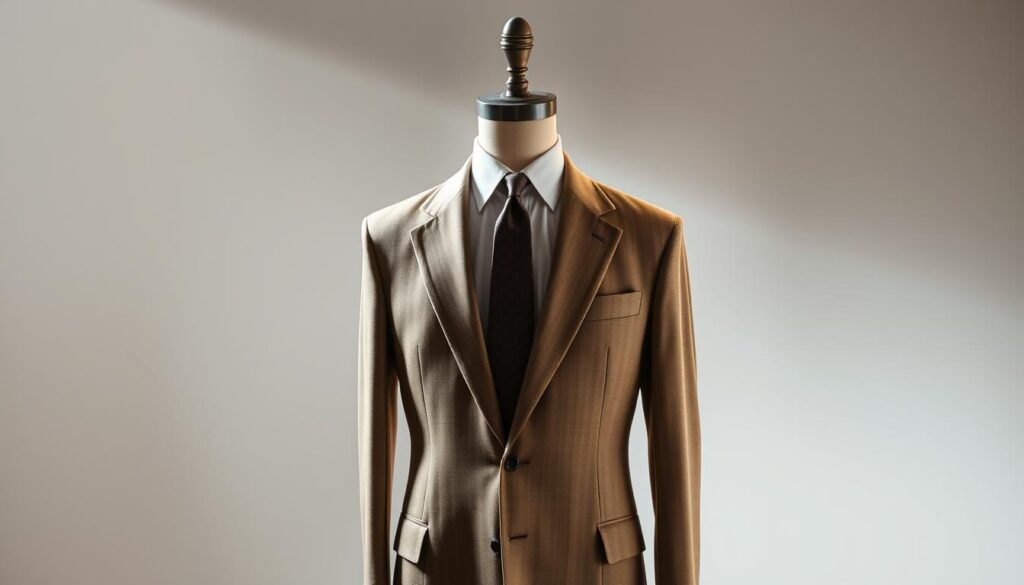
You want fabric that skims the body without clinging or bagging. Think of it as the sartorial equivalent of maintaining composure during a tough negotiation. Wrinkle-resistant fabrics are the unsung heroes here.
They maintain that polished appearance throughout your shoot, much like keeping your cool under pressure. Meanwhile, shiny fabrics create glare that makes you look like you’re sweating – even if you’re cool as a cucumber.
Bring clean, pressed clothes that look fresh. I’ve had clients arrive with tattered collars and missing buttons. Your professional dress should say “I pay attention to details” not “I found this in my trunk”.
Fit is the difference between looking like you wear your clothes versus your clothes wearing you. Choose fabrics that flatter your shape without fighting your body. The result? Confidence that translates through the lens.
Accessories: Subtle Complements
Think of your accessories as the punctuation marks of your professional outfit. They should clarify your message, not cause confusion. A well-chosen accessory is like a perfectly placed semicolon in a legal brief; it shows sophistication without being too loud.
Your watch isn’t just telling time – it’s telling your story. A classic timepiece whispers “I respect deadlines.” On the other hand, a chunky smartwatch screams “I’m expecting 37 notifications during this shoot.” Choose wisely.
Jewelry should play supporting roles, not lead parts. I’ve seen statement necklaces that upstaged their wearers like understudies stealing the spotlight. The test is simple: if people remember your earrings more than your eye contact, you’ve accessorized wrong.
Glasses can be intellectual credibility in frame form. Current prescription? Professional. That pair from your 2008 emo phase? Not so much. They’re visual footnotes to your expertise – make sure they’re citing recent research.
Here’s your minimalist accessory checklist:
- Stud earrings that say “polished” not “party”
- A watch that tells time, not tweets
- Glasses that fit your face, not your freshman year
- One simple necklace that complements, not competes
The best accessories work like great editing – they improve the final product without drawing attention to themselves. Your professional outfit should make people remember your face, not your fashion choices.
Remember: in the theater of professional impressions, your accessories are stagehands, not stars. They should set the scene for your expertise without upstaging the main performance.
Day-Of Prep
Think of headshot day as your professional Broadway debut. The preparation makes all the difference. Your attire choices are crucial when the lights come on.
Having multiple outfit options is smart, not indecisive. I’ve seen clients find their perfect outfit under studio lights. That navy blazer might look different than you think.
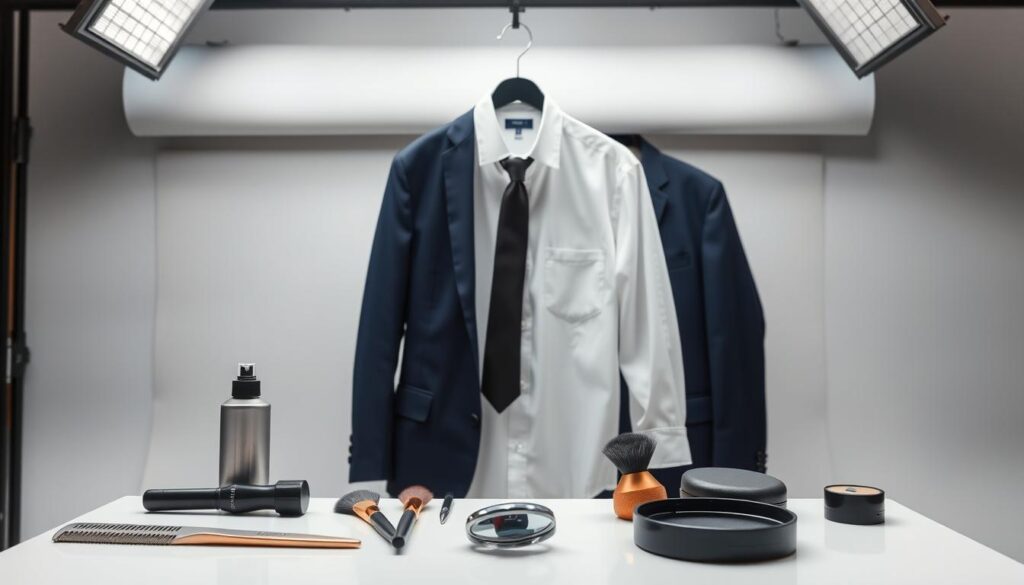
- Steam, don’t dream: Photographers use steam presses for quick fixes. Showing up with wrinkled clothes is like being unprepared for a meeting.
- Hydration theater: Drink water to keep your skin hydrated. This makes your skin reflect light better, giving you a confident look.
- Expression rehearsal: Practice smiling in the mirror until it looks natural. Authenticity comes from practice.
- Fresh threads only: Wear clean, pressed, and newer clothes. That old shirt from 2015 might show its age in photos.
Sleep is essential – it’s a visual strategy. Well-rested eyes show you’re competent, while tired eyes suggest you’re not.
Your attire should be camera-ready. Photographers value prepared clients almost as much as good lighting. Almost.
The camera can make you look heavier and less intelligent if you’re not ready. Your attire, hydration, and rest work together like a team.
The best headshots show what you project professionally. Having multiple attire options lets you adapt when studio lights reveal more than your mirror does.
Day-of preparation turns your attire into professional armor. It’s the difference between looking like you belong in the boardroom and looking like you’re waiting for it to end.
FAQ: Common wardrobe questions
Welcome to the sartorial confessional. Here, I answer your questions about professional dress for headshots. It’s like sartorial therapy, but without the couch.
“Can I wear black?” Yes, black is great for professional photos. It’s slimming and sophisticated. Just pick a shade that doesn’t make you look like a vampire.
“What about patterns?” Patterns are okay if they’re subtle. But busy ones can be distracting. Go for something simple and understated.
“How many outfit changes?” Aim for 3-5 outfits. This gives you variety without overwhelming your session. It’s all about finding the right balance.
“Should I wear what I wear to work?” Wear what makes you look good on camera. That neon green polo from 2009? Maybe not.
The biggest mistake is dressing for how you want to look, not how the camera sees you. The camera is your most important audience.
Your outfit should show you’re competent, not hide your personality. You want to look like the best version of yourself, not a corporate robot from the 80s.
Conclusion: Confidence in Your Professional Look
Your headshot outfit is more than just clothes; it shows who you are. It’s like a strong handshake that speaks volumes without saying a word. Getting your outfit right is half the battle before the photo is taken.
Choosing the right suit or accessory sends a message of skill and readiness. Solid colors look great in photos, and a perfect fit shows you pay attention to details. It’s not just about looking good; it’s about making a strong impression.
So, show confidence through your outfit. Let your headshot speak for you before you even meet someone. When your style matches your goals, the camera captures more than just your face. It captures your future.