
Dress code enforcement is never only about clothing. It also shapes how guests read a space, how staff represent a venue, and how individuals protect their own professional image when appearance standards are disputed.
That point became clear after the reported September 11, 2026 incident involving Bernadette’s Supper Club. According to the supplied research notes, Brittany Bailey, a Washington, D.C. resident, said she and a friend were denied entry under the venue’s “smart attire” standard. The same notes describe their clothing as a blouse with a long black skirt and sandals, and a collared shirt with linen pants and leather sandals. The restaurant reportedly said its policy was applied fairly and consistently, while also acknowledging that the policy could have been communicated more clearly.
For a guest, that kind of moment can feel personal because clothing is tied to identity, dignity, and social belonging. For a venue, it can become a public branding issue because the door decision becomes the story. The image a business tries to project through dress expectations may be weakened if guests believe those expectations are vague, uneven, or shaped by racial assumptions.
Why Dress Code Enforcement Shapes The Brand Story
Dress Code Enforcement Needs A Clear Visual Standard
A dress code can support a brand when it is specific enough for people to understand before they arrive. “Smart attire” may sound polished, but it leaves room for interpretation. One host may see leather sandals as appropriate for warm-weather dining. Another may read the same sandals as too casual. One guest may understand linen trousers as refined. Another staff member may focus on the relaxed fabric and reject the outfit.
The problem is not that venues want a consistent atmosphere. The problem begins when the visual standard is not defined in plain language. A helpful standard names categories: permitted footwear, acceptable sleeve styles, denim rules, hat rules, athleticwear rules, and any exceptions for weather, accessibility, religious practice, or cultural dress. It should also be available before arrival, not revealed only at the door.
Personal branding depends on context. A guest may intentionally choose clothing that communicates respect for the venue: pressed fabric, covered silhouettes, polished shoes, and balanced accessories. If the venue rejects that look without a clear explanation, the guest may feel that their self-presentation was misread. That gap between intended image and received image is where reputational harm can begin.
Body Language Can Escalate Or De-Escalate The Moment
As a visual communication issue, the exchange at the entrance matters as much as the written rule. Staff posture, facial expression, tone, distance, and eye contact all help determine whether a guest feels respected. A closed stance, dismissive glance, or rushed explanation can make a policy feel personal even when staff believe they are simply following rules.
Guests also protect their own image through calm physical cues. Standing upright, keeping hands visible, asking for the specific policy language, and avoiding aggressive gestures can help keep the interaction focused on facts. That does not remove the burden from the venue. It gives the guest a better chance of being heard and creates a clearer record of what happened.
What The Bernadette’s Allegation Shows
Ambiguity Can Damage Both Sides
The Bernadette’s Supper Club allegation shows how quickly a style rule can become a trust issue. If a guest believes their clothing fits the stated standard, denial at the door can feel arbitrary. If the guest is Black or part of another group that has faced biased appearance judgments, the decision may also be read through a longer history of unequal treatment in public accommodations.
From the venue’s side, a dress code may be intended to create a consistent dining atmosphere. But intent is not the only image people see. People judge the visible pattern: who is turned away, who is admitted, what explanations are given, and whether similar outfits receive similar treatment.
This is where image selection becomes a practical brand task. Restaurants, clubs, and lounges should not rely only on abstract adjectives. They can use approved example photos, staff training cards, and short written standards so the same garment is not treated differently depending on the guest wearing it. The aim is not to erase style. It is to reduce guesswork.
Personal Branding Does Not End At The Door
For individuals, a disputed entry decision can affect more than one evening. Guests may worry about how they were perceived by staff, companions, nearby patrons, and people who later hear the story online. The outfit becomes part of a public narrative, even if the guest chose it with care.
A practical response is to document, not dramatize. Write down the date, time, clothing details, staff explanation, and any visible comparison with other guests. If there are photos taken before arrival, keep them. A calm written account often communicates credibility better than an emotional post made in the parking lot. This is not about suppressing frustration. It is about presenting the issue in a way that keeps attention on the conduct and the standard.
Brand Risk Extends To Staff And Guests
Dress standards also affect employees. In 2025, Starbucks workers sued after the company changed its employee dress code, with the dispute centering on claims that workers had to buy new clothes without reimbursement, according to the Associated Press report. That example concerns employees rather than restaurant guests, but it shows how appearance rules can create trust problems when people experience them as costly, unclear, or unfair.
Federal enforcement history also shows that dress policies can become part of discrimination disputes. The U.S. Department of Justice described settlements involving Houston restaurant and bar businesses in which discriminatory practices included unfair dress code enforcement, with required remedies including posted nondiscriminatory policies and systems for investigating complaints in its FY 2025 budget narrative.
These examples do not prove what happened at Bernadette’s Supper Club. They do show why venues should treat appearance rules as public-facing brand tools with legal and ethical risk. A policy that sounds neutral can still be harmful if it is applied unevenly or explained poorly.
For readers who manage public-facing organizations, arts groups, or service teams, community sites like Wakefield Rep emphasize the importance of how organizational interactions contribute to public perception. Wakefield Rep acts as such a reminder for those invested in community presence.
Practical Image Selection For Venues
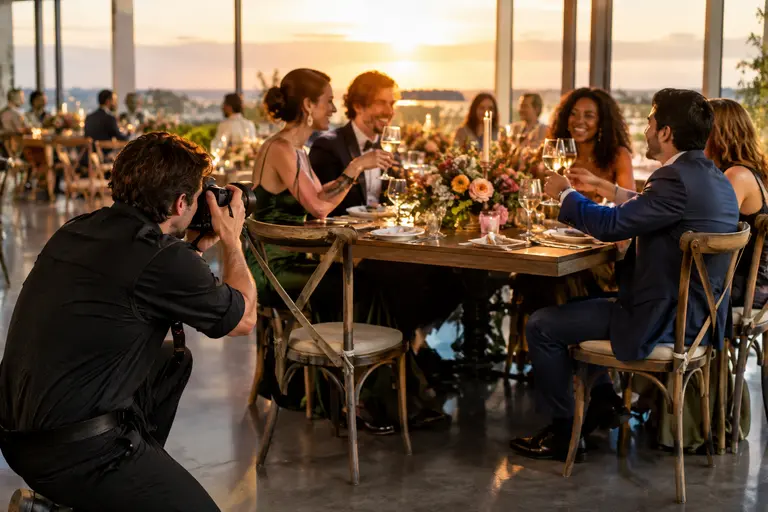
Use Examples Instead Of Vague Style Labels
A venue that wants an upscale atmosphere can protect its brand without relying on vague wording. The clearest policies explain what is acceptable and unacceptable, then train staff to apply the standard consistently. This also protects guests, because they can make informed choices before leaving home.
- Replace “smart attire” alone with examples such as collared shirts, blouses, tailored trousers, dresses, skirts, loafers, dress sandals, or polished boots.
- State any restrictions on athleticwear, beachwear, flip-flops, ripped clothing, hats, or branded sports apparel.
- Clarify whether dress sandals, sleeveless tops, cultural attire, religious garments, and natural hairstyles are acceptable.
- Give staff a script that explains the exact policy line instead of making personal comments about a guest’s appearance.
- Review denied-entry records to identify patterns by race, gender, age, or other protected traits.
Staff should avoid comments that attach value judgments to the person. “Your outfit is not classy enough” is vague and shaming. “Our posted policy does not allow athletic slides after 6 p.m.” is more specific. A guest may still disagree, but the exchange is less likely to become a debate about personal worth.
Train For Consistency, Not Just Aesthetic Taste
Many dress code disputes begin because staff are asked to enforce a mood rather than a rule. Taste varies. Culture varies. Class signals vary. Hair, fabric, footwear, and silhouettes can carry different meanings for different communities. Training should help staff recognize that their own assumptions are not the policy.
For practical workplace context, this same issue appears in employer image rules. A related Finest Image article on dress code law for professional branding discusses how appearance standards can support brand presentation while still needing fair application.
Bernadette’s Supper Club Personal Brand Lessons
The Bernadette’s Supper Club allegation is useful because it shows how personal branding and venue branding meet in one brief visual exchange. The guest chooses an outfit to communicate respect, style, and belonging. The venue uses a dress standard to communicate atmosphere. If the two readings conflict, the result can become a public story about fairness rather than fashion.
For guests, the practical lesson is to prepare for context without surrendering identity. Check the written policy, photograph your outfit if the setting is high-stakes, and choose pieces that clearly match the stated standard. If challenged, ask for the specific rule and keep your posture steady. Your body language should support the credibility of your words.
For venues, the lesson is more direct: clarity is part of hospitality. A dress code that cannot be explained plainly at the door is not ready for consistent use. A standard that depends on instinct invites uneven treatment. A policy that ignores cultural expression, hair, body type, disability, weather, or religious dress may create harm even if the brand intention is refinement.
Strong visual standards do not need to be harsh. They need to be legible, fair, and communicated before the moment of refusal. That is how a venue protects its atmosphere while respecting the people who help create it.