
Improving your professional image does not necessarily require buying an expensive suit, replacing your entire wardrobe, or following every new fashion trend. Sometimes, changing a single accessory, choosing a more distinctive jacket, or reconsidering your everyday shoes can make familiar clothing feel more intentional.
On October 21, 2026, InStyle published an article by fashion writer Essence Wiley featuring wardrobe stylist Nikko Smith, who explained how four relatively small clothing and accessory changes can refresh an existing fall wardrobe.
Smith’s recommendations focused on sculptural jewelry, distinctive handbags, interesting outerwear, and sneakers with more personality. His central argument was that people can create more styling possibilities by changing a few details rather than purchasing an entirely new collection of clothes.
Although Smith’s fall 2026 wardrobe advice addressed everyday fashion rather than workplace dress codes specifically, the recommendations offer useful lessons for professionals interested in personal branding and appearance.
The important distinction is context. A statement accessory may work beautifully in a creative office but require a more restrained approach in a formal corporate environment. Similarly, fashionable sneakers may be appropriate for a technology company while remaining unsuitable for certain client-facing positions.
For professionals, the opportunity is to identify small changes that make clothing feel more personal, coordinated, and appropriate without allowing appearance to overshadow competence, communication, or workplace responsibilities.
What Did Stylist Nikko Smith Recommend for Fall 2026?
In the October 21 InStyle feature, Essence Wiley described becoming dissatisfied with a capsule wardrobe built around dependable jeans, sweaters, and boots.
The individual pieces remained useful, but repeatedly combining them in similar ways had made her outfits feel predictable.
Rather than recommending an expensive shopping trip, Smith suggested introducing a few distinctive elements.
His four recommendations were:
- Sculptural jewelry: Choose an interesting accessory that gives a familiar outfit a focal point.
- A distinctive handbag: Look for unusual shapes, textures, colors, or finishes that reflect personal style.
- Interesting outerwear: Use a jacket or coat with a memorable design detail to transform otherwise simple clothing.
- Sneakers with character: Consider footwear featuring color, texture, or unexpected details instead of relying exclusively on basic white sneakers.
The feature included shopping examples from brands such as Adidas, Gap, Vivaia, and Kenneth Cole, but its broader styling principles do not depend on purchasing those specific products.
Smith’s advice is especially relevant to people who already own reliable wardrobe essentials but feel their outfits lack individuality.
For someone developing a professional image, these changes can also create greater visual consistency between everyday clothing, networking appearances, and personal-branding photographs.
However, the recommendations should be adapted to the actual workplace rather than treated as universal office-fashion rules.
Why Small Wardrobe Changes Can Matter More Than Buying New Clothes
A professional wardrobe often develops gradually.
Someone may begin with clothing purchased for interviews, add more casual pieces after joining a company, and eventually accumulate outfits that serve different purposes.
Over time, this can produce a closet filled with individually useful garments that do not always work well together.
The problem may not be a shortage of clothing. It may be a shortage of interesting combinations.
Smith’s approach addresses this issue by encouraging people to reconsider how their existing pieces are styled.
A navy blazer, white shirt, and charcoal trousers might become more distinctive with an unusual brooch, textured belt, or carefully selected pair of shoes.
The underlying outfit remains appropriate, but one detail introduces a stronger sense of personality.
This approach also aligns with recent workplace-fashion commentary.
On September 22, 2026, New York-based corporate stylist Chelsea Hollenbeck described common office-dressing mistakes in Business Insider’s workplace styling feature.
Drawing on four years of experience helping professional clients, Hollenbeck recommended reviewing existing clothing before purchasing an entirely new work wardrobe.
She also discussed how mixing textures, adding accessories, and choosing practical but interesting bags can make professional clothing feel less repetitive.
Together, the two stylists’ observations suggest that an effective wardrobe refresh often begins with evaluating what someone already owns.
Wardrobe Change One: Add Sculptural Jewelry That Reflects Your Personality
Jewelry is one of the simplest ways to introduce individuality into an established outfit.
Smith recommended choosing a distinctive piece that creates visual interest without requiring a complete change of clothing.
His examples included sculptural cuffs, unusual earrings, brooches, and accessories incorporating meaningful details such as a family-related gemstone.
The significance is not necessarily the monetary value of the accessory.
A carefully chosen piece can become recognizable because of its shape, color, texture, or personal meaning.
For professionals, this creates an opportunity to develop a subtle visual signature.
A business consultant might regularly wear a small architectural brooch. A creative director might prefer sculptural earrings. Someone who favors minimal clothing could introduce a textured bracelet or distinctive watch.
The appropriate choice depends on personal taste, workplace expectations, and practical responsibilities.
In a conservative corporate environment, a restrained accessory may be more suitable than a large statement piece.
In a creative studio or design agency, unusual shapes and brighter colors may fit naturally into the workplace culture.
Jewelry also needs to be practical.
Accessories that create noise during meetings, interfere with equipment, or become uncomfortable during long workdays may not be appropriate regardless of their appearance.
The most effective approach is to select something that complements the outfit rather than competes with every other detail.
For professional photographs, jewelry should also be evaluated under the intended lighting. Highly reflective surfaces can produce bright highlights, while large accessories may draw attention away from the face.
A memorable accessory can support professional identity, but it should not become the only element viewers notice.
Wardrobe Change Two: Choose a Work Bag That Is Functional and Distinctive
A work bag is often treated as a practical necessity rather than part of someone’s professional appearance.
However, it may be one of the most frequently visible accessories in an everyday work wardrobe.
Employees carry bags through offices, airports, conferences, client meetings, and networking events.
A bag’s shape, material, color, and condition can therefore contribute to the overall presentation of an outfit.
In the InStyle interview, Smith encouraged readers to consider handbags with distinctive silhouettes, textures, or finishes.
His suggestions included architectural shapes, woven materials, embossed surfaces, and seasonal colors.
For workplace use, those design elements need to be balanced with function.
Someone commuting with a laptop, charger, documents, and water bottle may need a structured tote or backpack with sufficient internal organization.
A small decorative handbag might look attractive but prove inconvenient for everyday responsibilities.
Hollenbeck made a similar distinction in her September Business Insider article, emphasizing that professional bags can be both useful and visually interesting.
The practical objective is to choose a bag that supports the working day while complementing the person’s clothing.
A dark textured tote may add dimension to a neutral outfit. A burgundy or forest-green bag can introduce color without requiring brightly colored clothing.
For professionals who prefer backpacks, a clean silhouette and durable construction may be more important than following handbag trends.
Condition matters as well.
A well-maintained bag that comfortably carries necessary equipment is generally a better professional choice than an expensive accessory with insufficient storage or visible damage.
The goal is not to impress colleagues with a brand name. It is to select an accessory that fits the employee’s responsibilities and personal style.
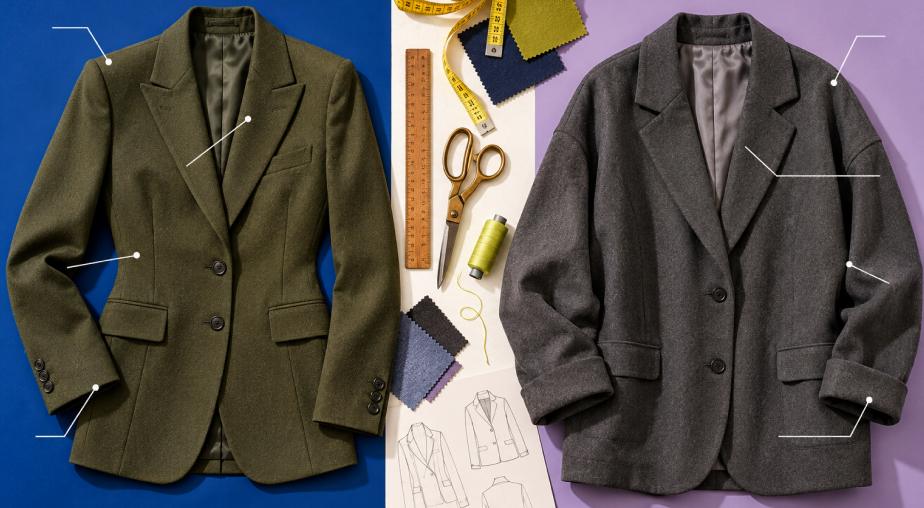
Wardrobe Change Three: Use Distinctive Outerwear to Refresh Familiar Outfits
Outerwear can have an immediate effect on how an outfit appears.
A jacket or coat introduces another layer of color, shape, texture, and structure.
Smith’s October recommendations highlighted the potential of distinctive outerwear, particularly pieces with interesting collars, unusual closures, rich fabrics, or memorable colors.
This is especially relevant during autumn, when layering becomes part of everyday dressing across many parts of the United States.
A simple combination of trousers and a knit sweater can appear noticeably different when paired with a structured wool coat, textured jacket, or tailored blazer.
The same principle can be applied to professional clothing.
For someone working in a business-casual office, a well-fitting jacket may make a familiar outfit feel more deliberate.
A creative professional might choose a garment with an unusual collar or contrasting texture.
An employee in a more traditional environment could select a classic blazer with a subtle pattern or distinctive fabric.
The important consideration is whether the garment complements the workplace.
Not every piece featured in a fashion publication is suitable for every professional setting.
An oversized bomber jacket may work in a relaxed office but feel out of place during a formal presentation.
Fit is another consideration.
Outerwear should allow comfortable movement, sit properly over the clothing underneath, and accommodate the practical demands of commuting.
A dramatic coat that looks attractive in photographs but becomes uncomfortable during an ordinary workday may have limited value.
Professionals can also experiment with clothing they already own.
Changing the combination of a jacket, shirt, and trousers may produce a different appearance without any new purchase.
Wardrobe Change Four: Choose Shoes With Character Without Ignoring the Dress Code
Footwear is another area where small design choices can alter an outfit.
Smith recommended reconsidering the familiar white sneaker in favor of shoes with distinctive details.
His examples included colorful panels, suede finishes, metallic accents, and unusual laces.
The recommendation reflects a broader interest in making practical footwear more expressive.
However, sneakers require particular attention when adapting the advice to professional environments.
Some offices permit clean sneakers as part of business-casual or smart-casual attire. Others expect loafers, dress shoes, flats, or other more formal footwear.
In an October 1, 2026, Forbes Vetted guide to business casual, fashion editor Hana Hong consulted professional stylists about how workplace expectations have evolved.
Among the experts, Felicia Bittle, founder of Fabstyles, emphasized the importance of understanding the industry, organizational culture, professional role, and people an employee interacts with.
The guide also featured Chicago-based stylist Chelsea Cooper Braun, who discussed the growing emphasis on polished but less traditionally formal workplace clothing.
These observations explain why Smith’s sneaker recommendation cannot be applied identically to every job.
In a relaxed technology office, colorful suede sneakers might work well with tailored trousers and a simple sweater.
In a traditional financial or legal environment, polished loafers or understated dress shoes may be more appropriate.
Professionals can still introduce personality through footwear without choosing sneakers.
A distinctive leather texture, unusual but restrained color, or thoughtfully designed silhouette can provide visual interest within a more formal dress code.
Comfort, maintenance, and safety requirements should remain priorities.
The most stylish shoe is not necessarily the most suitable one for an employee who spends much of the day standing, walking, or working around equipment.
How Should You Adapt These Four Wardrobe Changes to Different Workplaces?
The same styling principle can produce very different results depending on the professional environment.
A creative director and an accountant may both want to appear polished and individual, but their workplace expectations may differ.
Similarly, a professional attending an industry conference may choose different clothing from what they wear during a routine office day.
The following examples illustrate how Smith’s four recommendations can be adapted rather than copied literally.
| Wardrobe Change | Traditional Corporate Setting | Business-Casual Office | Creative Workplace |
|---|---|---|---|
| Sculptural Jewelry | Small brooch, restrained earrings, or simple bracelet | Distinctive necklace, watch, or textured accessory | Bold shapes, colorful jewelry, or unusual materials |
| Work Bag | Structured briefcase or professional tote | Textured tote or practical leather backpack | Architectural bag, expressive color, or distinctive finish |
| Outerwear | Tailored blazer or classic wool coat | Textured jacket or relaxed blazer | Statement coat, unusual collar, or experimental silhouette |
| Footwear | Polished dress shoes, loafers, or appropriate flats | Loafers, boots, or permitted minimalist sneakers | Colorful sneakers or expressive footwear where allowed |
These are practical examples, not fixed industry rules.
Individual employers may have policies that differ from general expectations.
Employees should also consider whether a particular workday involves clients, public appearances, formal presentations, or operational activities.
A wardrobe change that works well during an ordinary office day may be inappropriate for a specific event.
Professional style is most useful when it can adapt to the situation without requiring the person to abandon their identity.
Can These Styling Changes Improve Your First Impression at Work?
Clothing can influence the visual information people notice during an initial interaction.
An outfit may communicate attention to detail, familiarity with workplace expectations, or a recognizable personal style.
However, appearance alone cannot establish someone’s competence, integrity, or professional abilities.
A polished outfit does not guarantee a successful interview, stronger workplace relationships, or career advancement.
Those outcomes depend on many factors, including experience, communication, performance, organizational conditions, and opportunity.
Smith’s recommendations are better understood as ways to make clothing feel more intentional.
For example, an employee who consistently wears neutral trousers and simple shirts might add a distinctive jacket to create a more recognizable appearance.
A professional who frequently attends networking events might choose a bag or accessory that complements their preferred colors and clothing silhouettes.
These details can contribute to a coherent personal image, but they should not be treated as substitutes for professional conduct.
Consistency is particularly useful.
When someone repeatedly presents themselves in a way that feels natural and appropriate, their clothing is less likely to distract from the interaction.
The objective is not to become the most visibly fashionable person in the office.
It is to feel prepared and comfortable while allowing professional skills and personality to remain central.
What Do Small Wardrobe Changes Mean for Professional Headshots?
The relationship between clothing and professional image becomes especially important when someone is photographed.
A professional headshot may appear on LinkedIn, a company website, a speaker biography, a professional association profile, or a business publication.
Unlike an everyday outfit, a headshot is viewed within a fixed composition.
The photographer controls the lighting, background, framing, and perspective, while clothing contributes color, texture, and shape.
Accessories that work well in person may behave differently on camera.
A highly reflective necklace can create distracting highlights. A complicated jacket pattern may compete with facial features. A brightly colored accessory may become more visually dominant when the photograph is cropped.
In its June 16, 2026, business headshot guidance, Indeed recommends considering clothing color, patterns, contrast, industry expectations, and accessories before a photography session.
The guidance also explains that busy patterns can create unwanted visual effects, while simple clothing often helps maintain attention on the subject’s face.
This does not mean professional portraits must always feature neutral clothing.
A colorful blazer or distinctive accessory can work effectively when it supports the subject’s identity and the intended visual style.
The key is evaluating the complete photograph rather than the outfit in isolation.
For example, a consultant might choose a textured navy jacket and a small personal accessory for a traditional business portrait.
An artist or designer may prefer a brighter garment that reflects their creative work.
An entrepreneur could use a recognizable color palette across headshots, website photography, and public appearances.
Finest Image also explores this relationship in its headshot wardrobe playbook for entrepreneurs, which focuses on preparing clothing for professional first-impression photography.
The practical lesson is that wardrobe changes should support visual clarity.
A professional photograph should remain recognizable, authentic, and appropriate for its intended audience.
Why Buying More Clothes Is Not Always the Best Professional Style Strategy
One of the most useful aspects of Smith’s advice is that it does not depend on replacing an entire wardrobe.
A professional who feels dissatisfied with their clothing may assume the solution is to purchase several new outfits.
However, this can produce more clothing without addressing the original problem.
The underlying issue might be that existing pieces are repeatedly combined in the same way.
Before shopping, it is useful to identify which garments are worn regularly and which are rarely used.
A person may discover that several shirts work well with different trousers but have never been paired together.
An older blazer may become useful again when combined with a different shirt or accessory.
A familiar work bag might look more interesting alongside a new color combination.
Small changes can also help identify whether a purchase is genuinely necessary.
If an employee already owns several comfortable jackets, buying another may provide little practical value.
If their everyday shoes are worn out or unsuitable for commuting, replacing them may be more useful than purchasing jewelry.
A wardrobe refresh should therefore begin with actual needs rather than an assumption that every seasonal trend requires a purchase.
This approach can help professionals maintain a coherent style while avoiding unnecessary spending.
How Can You Create a Recognizable Professional Style?
A recognizable professional style does not require wearing the same outfit every day.
Instead, it can develop through recurring elements that reflect personal preferences.
Someone may consistently favor tailored trousers, muted colors, and structured outerwear.
Another person might prefer relaxed knitwear, distinctive jewelry, and expressive footwear.
Both approaches can communicate an identifiable visual style when they are appropriate to the workplace.
A practical way to develop this consistency is to identify a small number of preferences.
Consider the colors that appear most frequently in your wardrobe, the clothing silhouettes you find comfortable, and the accessories you naturally choose.
Then examine whether those elements work together.
A professional who prefers navy, cream, and burgundy might use those colors across jackets, shirts, shoes, and accessories.
Someone who enjoys textured fabrics could combine wool, cotton, and leather while keeping the overall palette restrained.
These decisions create variety without requiring a completely different appearance each day.
For professionals who regularly appear in photographs or videos, visual consistency can also make it easier to select clothing for presentations, interviews, and personal-branding content.
The objective is not to manufacture a personality through clothing.
It is to choose garments and accessories that reflect how someone wants to present themselves while remaining comfortable and authentic.
What Should You Avoid When Refreshing Your Professional Wardrobe?
The main risk of following seasonal styling advice is confusing fashion trends with professional requirements.
A garment may be fashionable without being appropriate for a particular workplace.
Similarly, a distinctive accessory may attract attention without contributing positively to the overall outfit.
Before adopting a wardrobe change, consider the practical purpose of the clothing.
Does it fit properly? Can it be worn comfortably throughout the day? Does it complement existing garments? Is it appropriate for the workplace?
Professionals should also avoid assuming that expensive products automatically create a more credible appearance.
Fit, maintenance, comfort, and coordination are generally more useful considerations than brand recognition alone.
Another mistake is changing too many elements at once.
Combining an unusual jacket, bright shoes, oversized jewelry, and a heavily patterned bag may create competing focal points.
For someone seeking a more restrained professional appearance, introducing one distinctive element at a time may be more effective.
The same principle applies to professional photographs.
An outfit should help communicate the subject’s identity rather than overwhelm the image with unrelated visual details.
A wardrobe refresh works best when each change has a clear purpose.
The Professional Image That Feels Personal, Not Manufactured
Nikko Smith’s October 21, 2026, recommendations offer a useful alternative to the idea that improving personal style requires constant shopping.
His four suggestions—sculptural jewelry, distinctive bags, interesting outerwear, and expressive sneakers—show how familiar clothing can take on a different character through relatively small adjustments.
For professionals, these ideas become most valuable when combined with an understanding of workplace expectations.
A carefully selected accessory may make a business-casual outfit more distinctive. A textured jacket can add interest to familiar clothing. A practical bag can complement a professional wardrobe without sacrificing everyday function.
Footwear can also introduce personality when it meets the workplace’s dress code and practical requirements.
None of these changes guarantees a better career outcome or a stronger reputation.
Their value lies in helping people make deliberate choices about how they present themselves.
For professionals building a recognizable personal brand, the most effective wardrobe is not necessarily the newest or most expensive.
It is a collection of clothing and accessories that supports daily responsibilities, feels authentic to the person wearing it, and communicates a consistent professional identity.
Sometimes the most useful wardrobe upgrade is not a new outfit, but a better way of wearing what you already own.