
Choosing a professional headshot photographer in 2026 involves more than finding someone with an expensive camera or an attractive Instagram portfolio. The right photographer should understand portrait lighting, facial expressions, posing, personal branding, and the technical requirements of images used across LinkedIn, corporate websites, professional biographies, and business marketing materials.
A professional headshot is often someone’s first visual introduction to a potential employer, client, or business partner. Although a polished photograph cannot establish a person’s qualifications, it can communicate professionalism, approachability, and a recognizable personal identity.
On October 16, 2026, Professional Photographers of America (PPA) published new guidance examining the importance of photography credentials and professional development. The organization highlighted its Certified Professional Photographer (CPP) designation, four professional degrees, and updated technical evaluation procedures.
The PPA photography certification report explained how photographers can demonstrate technical knowledge through examinations, image evaluations, and continuing professional education. For consumers, the announcement raises a practical question: how much weight should certification carry when selecting someone to create a professional portrait?
Certification can provide useful evidence of technical competence, but it is not the only measure of a photographer’s ability. Portfolio consistency, experience with professional clients, communication, pricing transparency, and the quality of the photography session are equally important considerations.
This guide explains how to choose a professional headshot photographer in 2026, what photography certifications actually mean, how to evaluate a portfolio, and which questions to ask before booking a session.
Why Choosing the Right Headshot Photographer Matters
A professional headshot differs from a casual photograph because it is created for a specific communication purpose. It may need to present an executive as approachable, a lawyer as composed, a healthcare professional as reassuring, or a creative entrepreneur as distinctive.
Achieving that result requires decisions about camera position, lighting direction, background selection, clothing, expression, and image cropping. The photographer must also help the subject feel comfortable enough to produce natural expressions.
On October 1, 2026, Associated Press business writer Dee-Ann Durbin examined the role of authenticity in professional headshots. The report featured Houston-based headshot photographer Chris Gillett, who discussed the importance of facial expressions and the subtle changes that influence how a portrait is perceived.
The Associated Press professional headshot report also included perspectives from Goodwin Recruiting’s Emily Lauro, who emphasized the importance of recognizable professional photographs rather than heavily altered images.
These observations help explain why professional headshot photography involves more than technical image quality. A photograph can be sharply focused and correctly exposed while still feeling uncomfortable, overly staged, or inconsistent with the person’s real appearance.
An experienced portrait photographer should be able to identify these problems during the session and adjust the approach accordingly.
For individuals investing in new LinkedIn photographs or personal-branding images, the objective should be to find a photographer capable of producing portraits that are both technically polished and personally authentic.
What Does Certified Professional Photographer Mean in 2026?
The Certified Professional Photographer designation is a credential offered by Professional Photographers of America. It is intended to demonstrate knowledge of photographic techniques, equipment, lighting, composition, and image production.
According to PPA’s current CPP certification requirements, candidates must complete a structured evaluation process that includes technical examinations and an assessment of their photographic work.
The certification process includes six examinations covering photography-related subjects. Candidates generally must achieve a score of at least 70% on each required examination. After completing the examination requirements, they submit three assigned images for technical evaluation.
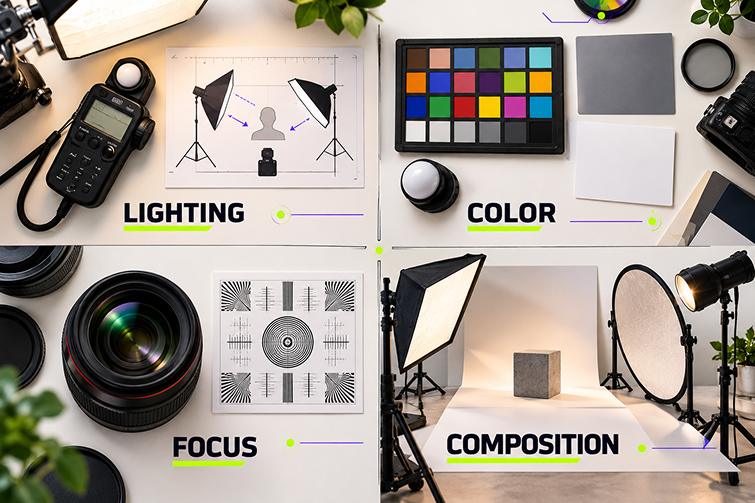
PPA evaluates elements such as lighting, focus, composition, sharpness, camera angle, and white balance. The organization also requires CPP holders to renew their certification every three years through continuing education or applicable re-examination requirements.
These details distinguish the CPP credential from an informal statement that a photographer is experienced or professionally trained.
However, CPP certification is voluntary, not a government-issued photography license or a guarantee of excellent headshots. The certification assesses broad photographic competence rather than specializing exclusively in corporate portraits or personal-branding photography.
A photographer without CPP certification may still have extensive experience and produce outstanding professional portraits. Conversely, a certified photographer whose primary specialty is another photographic genre may not necessarily offer the style or client experience a headshot customer wants.
Certification is most useful when considered alongside relevant portfolio work, professional experience, and the photographer’s ability to explain their process.
How to Verify a Photographer’s Certification and Professional Credentials
Photographers may display credentials after their names, on their websites, or in marketing materials. Before treating these designations as evidence of expertise, clients should understand which organization awards them and what requirements they represent.
PPA maintains a public list of recently certified photographers. Its October 2026 list includes Oleksii Bondarenko of Germantown, Maryland; Bai Chen of Glen Head, New York; and Suzanne Daunt of San Marcos, Texas.
These are documented examples of professionals receiving the CPP designation, not endorsements of their headshot services. The distinction matters because certification verifies completion of a particular credentialing process, not experience in every photographic specialty.
PPA also offers four professional degrees: Master of Photography, Master of Wedding Photography, Master Artist, and Photographic Craftsman.
Under the requirements described in the organization’s October 16 announcement, each degree requires 25 merits, including 13 merits in a designated category and 12 additional merits.
These degrees recognize different kinds of professional achievement. A Master Artist designation, for example, emphasizes digital artistry and image editing, while a Photographic Craftsman degree recognizes contributions to photographic education.
Clients should not assume that all credentials represent the same skills.
When reviewing a photographer’s qualifications, look for clear information about the awarding organization, the credential’s requirements, and its relevance to the services being offered.
A strong candidate should be able to explain their professional background without suggesting that certification alone guarantees superior results.
How to Evaluate a Professional Headshot Photographer’s Portfolio
A photographer’s portfolio is one of the most useful tools for evaluating their suitability for a professional headshot session.
However, the objective should not simply be to find the most visually impressive photograph. Clients should examine whether the photographer can produce consistently strong portraits across different people, lighting conditions, and professional settings.
A portfolio containing one exceptional image and numerous weaker photographs may indicate less consistency than a collection of reliably polished portraits.
Start by examining facial expressions. Do the subjects appear comfortable and engaged, or do they look tense and overly directed? A skilled headshot photographer should be capable of capturing different personalities without making every person adopt the same expression.
Lighting quality is another important consideration. Look for balanced facial illumination, controlled shadows, accurate skin tones, and clear separation between the subject and background.
Professional portraits should preserve natural skin texture. Excessive smoothing, unrealistic eye enhancement, or artificial facial contours may suggest a retouching style that does not match your preferences.
Portfolio diversity can also reveal how well a photographer works with different clients.
Look for examples involving people of different ages, skin tones, hairstyles, facial features, and professional backgrounds. If you wear glasses, have facial hair, use a mobility aid, or incorporate cultural clothing into your professional appearance, relevant portfolio examples may help you assess the photographer’s experience.
The composition should also match your intended use. A photographer who specializes in dramatic editorial portraits may produce excellent work, but that style may not suit a conventional corporate directory.
Professional Photographers of America recommends showcasing relevant work and clearly identifying specialties in its Find a Photographer guidance. For clients, this reinforces the importance of evaluating a photographer’s actual specialty rather than relying exclusively on general photographic talent.
Why Experience With Professional Headshots Matters
Photography experience is valuable, but experience within the correct photographic specialty can be especially important.
Wedding, product, architectural, and portrait photographers often use overlapping technical skills. Nevertheless, professional headshots require particular attention to facial expressions, posture, communication, and the subject’s intended public image.
An experienced headshot photographer should understand how small changes in shoulder position, chin angle, and eye direction influence a portrait.
They should also be comfortable providing clear, respectful instructions to people who have little experience in front of a professional camera.
This is particularly relevant for corporate clients, healthcare professionals, and executives who may need polished photographs but do not regularly participate in photography sessions.
Good communication can make the difference between a technically correct image and a portrait that feels natural.
Ask prospective photographers how they guide clients through posing. Some use continuous verbal direction, while others prefer a more conversational approach that helps people relax.
Neither method is automatically superior. The important consideration is whether the photographer can adapt to different personalities and comfort levels.
Experience also includes managing practical problems. Glasses may reflect studio lights, clothing may need adjustment, and certain backgrounds may create unwanted visual distractions.
A photographer familiar with these situations can often resolve them during the session instead of relying entirely on post-production editing.
Studio, Outdoor, or Workplace Headshots: Which Setting Is Best?
The location of a professional headshot session should reflect the photograph’s purpose.
Studio photography provides controlled lighting and consistent backgrounds. It can be particularly useful for corporate directories, executive portraits, and professional profiles where a clean, standardized appearance is desirable.
A studio also allows the photographer to adjust lighting independently of changing weather conditions.
Outdoor portraits can create a more relaxed atmosphere and introduce natural environmental details. They may suit entrepreneurs, creative professionals, and individuals seeking a less traditional personal-branding image.
However, outdoor sessions require careful management of sunlight, shadows, wind, and background distractions.
Workplace photography offers a third option. Photographing an architect in a design studio or an entrepreneur inside their business can introduce meaningful context.
Environmental portraits may be particularly useful for company websites, editorial biographies, and personal-branding campaigns.
The best setting depends on where the image will appear.
A tightly cropped LinkedIn photograph may benefit from a simple background, while a wider website portrait can incorporate the subject’s workplace.
For businesses arranging photographs of several employees, consistency becomes especially important. Similar lighting, background treatment, and framing can help create a unified visual identity across the company’s website.
Before booking, ask whether the photographer has examples from the specific environment you prefer.
How Much Should a Professional Headshot Photographer Cost?
Professional headshot pricing varies according to location, experience, session length, editing requirements, and the number of finished images included.
A lower advertised session price does not necessarily represent the total amount a client will pay.
Some photographers charge a sitting fee and price individual retouched images separately. Others offer packages containing a predetermined number of finished photographs.
Additional charges may apply for extra clothing changes, location travel, extended sessions, or additional retouching.
The October 1 Associated Press report provided one concrete pricing example: Houston photographer Chris Gillett charged $290 for a sitting and $295 for each selected headshot at the time of reporting.
That represents one photographer’s published pricing, not a national average or a recommended market rate.
Clients should compare the complete service rather than the initial booking fee alone.
A package containing several professionally retouched images, clear commercial usage permissions, and an efficient selection process may offer greater practical value than a cheaper session with substantial additional charges.
It is also important to consider how frequently the photographs will be used.
A business owner who needs portraits for a website, speaker biography, LinkedIn profile, and marketing materials may require a more extensive session than someone replacing a single profile picture.
The right budget depends on the deliverables, not simply the photographer’s reputation.
Why Retouching Quality and Authenticity Deserve Attention
Digital retouching is a normal part of professional portrait production. Photographers may adjust exposure, color balance, contrast, minor skin distractions, and background imperfections.
The challenge is determining when those changes improve a photograph and when they begin to alter the person’s recognizable appearance.
Heavy skin smoothing, substantial facial reshaping, and artificial expression changes can create a portrait that looks polished but unfamiliar.
This issue has become more relevant as AI-generated headshots and automated editing tools have become widely accessible.
In the October 2026 Associated Press report, Goodwin Recruiting’s Emily Lauro raised concerns about photographs that appear unrealistic or substantially different from the person being represented.
The broader lesson is that professional photography should support an authentic presentation rather than manufacture an entirely different appearance.
When comparing photographers, examine the retouching style across their portfolios. Ask whether the final images will preserve natural skin texture and whether clients can request restrained editing.
It is also worth clarifying whether AI-generated alterations are part of the standard workflow.
Removing a temporary blemish and changing a person’s facial structure are very different editorial decisions.
Clients should understand what is included in the editing process before approving their final images.
Image Licensing, Delivery, and Usage Rights
Professional headshots are frequently used across multiple platforms, making image usage terms an important part of the booking decision.
Clients may need photographs for LinkedIn, company websites, professional directories, advertising materials, presentations, or press publications.
These uses should be discussed before the session.
According to the U.S. Copyright Office’s guidance for photographers, the person who creates an original photograph is generally its initial copyright owner, subject to exceptions such as qualifying works made for hire.
Paying for a photography session does not automatically mean the client receives ownership of every copyright associated with the photographs.
Instead, photographers and clients may establish specific usage permissions through their agreements.
For most professional headshot customers, the practical concern is ensuring that the delivered photographs can be used for their intended business and professional purposes.
Ask whether the agreement permits website publication, professional networking use, promotional materials, and other relevant applications.
Delivery terms should also be clear. Confirm the number of final images, expected file formats, image resolution, delivery timeline, and whether additional edits are available.
A photographer who explains these details before payment demonstrates useful business professionalism, regardless of their certification status.
Questions to Ask Before Booking a Professional Headshot Session
A short consultation can reveal whether a photographer understands your requirements and communicates clearly.
Before committing to a session, consider asking the following questions:
- What experience do you have with professional headshots? Request examples relevant to your industry or intended photography style.
- Do you hold any professional photography certifications? Ask about CPP credentials, other professional qualifications, and continuing education.
- How do you guide clients through posing and expressions? Look for an approach that accommodates people who are uncomfortable in front of a camera.
- What is included in the total session price? Confirm sitting fees, the number of finished images, retouching, and any additional charges.
- What editing techniques do you use? Discuss natural retouching, facial alterations, and whether AI-assisted editing is involved.
- When will the photographs be delivered, and how can I use them? Confirm turnaround times, file formats, and written usage permissions.
The answers should be specific enough to help you compare photographers fairly.
A professional who cannot explain their pricing, deliverables, or editing policies may create unnecessary uncertainty later.
By contrast, clear communication before booking can help establish realistic expectations for the entire photography process.
How to Prepare for Your Professional Headshot Session
Selecting the photographer is only part of the preparation process. Clothing, grooming, and communication also influence the finished portrait.
Once a session is booked, discuss the intended use of the images and the professional impression you want to communicate.
A photographer may recommend particular clothing colors or background combinations based on the planned lighting.
For a more detailed wardrobe guide, Finest Image’s article on what to wear for professional headshots in 2026 explains how outfit colors, fabrics, necklines, and accessories affect portrait photography.
Choose clothing that fits comfortably and reflects your everyday professional identity. Avoid experimenting with unfamiliar outfits immediately before the session.
If possible, bring an alternative shirt or jacket. Having a second option allows the photographer to adjust the overall color balance or create additional looks.
Communicate any preferences involving glasses, hairstyles, mobility accommodations, cultural clothing, or personal presentation before the appointment.
A thoughtful photographer should be able to discuss these requirements respectfully and incorporate them into the session plan.
The objective is to arrive prepared enough that you can concentrate on expressions and posture rather than worrying about clothing or technical details.
What a Strong Professional Headshot Investment Should Deliver
A successful professional headshot session should produce more than a visually attractive photograph.
The final images should be recognizable, technically consistent, appropriate for their intended platforms, and aligned with the client’s professional identity.
Certification provides one useful way to assess technical training. Portfolio quality demonstrates the photographer’s visual style and consistency. Relevant experience reveals how effectively they work with people and professional photography requirements.
Together, these factors offer a more reliable basis for comparison than price, equipment, or credentials alone.
The October 2026 PPA credentialing announcement highlights the value of structured professional development, but clients should still evaluate the actual services and photographs being offered.
A photographer with strong technical skills, a relevant portfolio, transparent business practices, and an adaptable approach to posing is well positioned to deliver a useful professional portrait.
For individuals updating their career profiles and businesses developing consistent employee photography, the best choice is a photographer whose work matches the intended purpose and whose process inspires confidence before the camera is even switched on.