
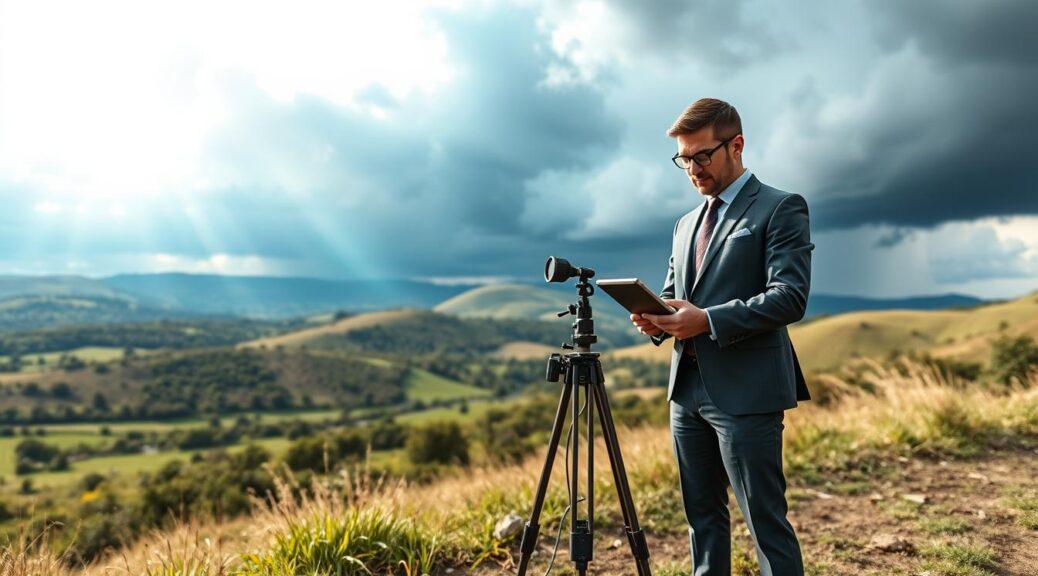
Imagine you’re planning a weekend trip, and the weather forecast changes suddenly. What do you do? You don’t panic if you have a plan. It’s about being ready and flexible.
Understanding the weather forecast is more than just checking it. It’s about knowing what it means. This way, you can handle any surprise that comes your way.
Life is full of surprises, and the weather is no exception. But, with a little planning, you can turn a bad day into a great one. It’s all about being open to change.
So, how do you stay confident when things change? It’s all about being informed and flexible. Knowing when to change your plans can make all the difference. Let’s learn how to read the signs and adapt.
Risk map wind heat cold humidity UV and crowd density
Weather can ruin your headshot session at the worst time. It’s not just a backdrop; it’s a key player. Think of it as a risk map for your on-location headshots.
Wind can mess up hair and light stands. A 12 mph gust can turn styled hair into a mess. Heat makes faces shiny, no matter how much powder you use. Cold makes people clench their jaws. Humidity causes frizzy hair and matte makeup to fail.
The UV index can make your shoot a squinting contest. Crowd density can ruin your shot with unexpected people. Each factor can ruin your photo, so plan carefully.
I’ve canceled shoots due to bad weather. It’s not being pessimistic; it’s being professional. By considering each weather factor, you can make sure your headshots are great.
Forecast tools rain radar wind gust UV apps hour by hour readouts
Forecasting weather is more than just checking a phone app. It’s about using the right tools. If your weather plan starts and ends with the default app, you’re missing out. Let’s explore the world of forecast tools that can make your weather strategy better.
Rain radar is a great example. That angry red cell might look like a lot of rain, but it’s not always true. Penn State’s radar education shows that raindrops reflect more energy than snowflakes. This means partially melted snow or sleet can look like a lot of rain on radar.
Composite reflectivity, a favorite in weather apps, shows the storm’s strength, not what’s happening on the ground. I once thought a big storm was coming downtown, but it was just a high-elevation scan. It wasn’t raining at all.
I now switch between base and composite reflectivity like a DJ. It’s important to check surface observations to avoid mistakes. Wind gust forecasts are key, and Windy.app gives me detailed hour-by-hour updates. A forecast of a 25 mph gust at 3 p.m. means I might move the shoot to 10 a.m. or use sandbags for a “wind-swept creative” look.
UV apps like UVLens also help, telling me when the sun is safer. The goal is a weather plan based on data, not just hope. When you’re charging for on-location headshots, “I thought it would clear up” isn’t a good excuse. Using these tools means you’re not just preparing for the weather; you’re mastering it.
If you want to improve your weather knowledge, check out some advanced apps like this one. It can help you stay ahead of the storm.
Hair makeup wardrobe choices by weather anti frizz matte SPF and layers
Weather plays a big role in your on-location headshots, affecting both the scene and your look. It’s key to pick the right hair and makeup products, mainly to fight frizz when it’s humid. I’ve seen a good headshot session go wrong fast because of humidity.
Humidity can turn a neat hairstyle into a frizzy mess and make your forehead shine like glazed donuts. My kit has anti-frizz serum (Living Proof No Frizz is a lifesaver) and a mattifying primer. For SPF, I use a matte-finish, broad-spectrum formula like Supergoop! Unseen Sunscreen.
Wind requires careful wardrobe planning: no loose silk blouses or ties that can whip around. I tell clients to wear fitted layers for a professional look. For cold weather, thermal base layers like Uniqlo’s Heattech are great.
Always have a backup outfit ready. I once had a client in a linen suit on a humid day. By the second frame, he looked like he’d run a marathon. I send a weather prep email 24 hours in advance: “Expect 80% humidity—hair up, matte makeup, no linen.” It’s not bossy; it’s necessary.
Portable shade scrims reflectors clamps sandbags and towel kit
When the weather gets tough, you need the right tools. Your grip kit is like a superhero’s utility belt. It’s essential for taking great headshots outdoors.
A portable scrim is a must-have. It’s a 6×6 foot diffusion panel that softens harsh sunlight. It turns it into a softbox, like a small cloud.
But, a scrim in the wind is like a kite with big dreams. Clamps and sandbags are the real heroes. They keep your scrim grounded, even in strong winds.
Reflectors can be tricky too. A sudden gust can turn them into flying discs. I use sandbags to weigh down light stands and sometimes, an assistant to hold them down.
Humidity brings its own set of problems, like lens fogging. That’s why a towel kit is a must. I carry microfiber towels and silica gel packs to keep lenses clear. A small battery-powered fan helps too, to avoid the “dewy” look.
Wind and humidity may not care about your shot list, but you can fight back. With the right gear, you can outsmart them. So, gear up and conquer the elements!

Indoor backup ideas lobby wall glass conference room or seamless roll
When the skies open up, think of indoor backups as your secret weapon for a successful shoot. Scouting indoor locations can be just as thrilling as hunting for the perfect outdoor spot. Corporate lobbies, for instance, often feature textured walls and interesting architectural lines. Plus, they come with the added bonus of air conditioning!
A glass conference room can provide that “modern professional” vibe. With natural light bouncing off nearby buildings, it can be a perfect alternative. No permits required if you play your cards right! I’ve captured headshots in hotel lobbies, like the Ace Hotel in Pittsburgh, which boasts a mid-century wall that’s pure gold.
It’s important to have a list of pre-vetted spots. Take notes on lighting direction at different times of day. This foresight can save you when the weather takes a turn. A seamless paper roll tucked in your trunk can be a game-changer—set it up in a garage, a covered walkway, or even a rented studio by the hour.
Let me share a little secret: I once pivoted a CEO’s portrait from a windswept rooftop to a stairwell with a concrete wall. The result? A moody, editorial shot that the client loved so much, they wanted to use it for a magazine feature. Remember, indoor backup isn’t a failure; it’s an opportunity to channel your inner MacGyver!
Just ensure you’ve checked for power outlets and that the cleaning staff won’t evict you mid-shoot. Here’s a quick reference table to help you brainstorm some indoor backup ideas:
| Location Type | Features | Pros | Cons |
|---|---|---|---|
| Corporate Lobby | Textured walls, spacious | Air conditioning, professional look | May require permission |
| Glass Conference Room | Natural light, modern design | No permits needed, bright ambiance | Limited privacy |
| Hotel Lobby | Stylish decor, comfortable | Unique backdrops, relaxed atmosphere | Potential foot traffic |
| Seamless Paper Roll | Versatile backgrounds | Easy setup, customizable | Requires space and equipment |
Permits releases building approvals and plan B list
Getting the right permits is like having insurance for your shoot. It’s a must-have. A park ranger stopping you can ruin the mood, like when your client’s hair is frizzing. Places like Chicago’s Millennium Park or New York’s High Line need permits for photography, even with a tripod or professional gear.
To keep your shoot smooth, keep a digital folder with:
- Permit applications
- Fees
- Turnaround times for your go-to spots
But, a permit won’t save you if the weather changes. That’s when building approvals are key. If you have a backup indoors, like a corporate lobby or museum, you need permission. Sometimes, it’s just an email; other times, it’s a formal release.
My plan B list includes more than just addresses:
- Contact names
- Phone numbers
- Any restrictions (no flash, no tripods, etc.)
Always carry a printed copy of your permit. Rangers love paperwork, and it can prevent trouble. The aim is to switch plans without legal issues. Explaining zoning violations to a client is not what you want to share.
Safety hydration lightning shelter rules and sun breaks
Chasing the perfect light can be thrilling, but safety must always come first. When you’re on location for those coveted on location headshots, it’s easy to get caught up in the moment. But ignoring safety protocols can turn your shoot into a disaster faster than you can say “golden hour.”
First up, let’s talk about lightning. The ultimate shoot-killer. The rule I live by is simple: if you can hear thunder, you’re in striking distance. Ever heard of the 30-30 rule? Count the seconds between the flash and the bang. If it’s less than 30, seek shelter immediately. Wait at least 30 minutes after the last thunder before resuming your shoot. Trust me, I’ve packed up a shoot in under two minutes when a storm rolled in faster than a Twitter scandal.
Now, where should you seek shelter? A substantial building or a hard-topped vehicle is ideal. Don’t even think about hiding under a tree or a flimsy picnic canopy. That’s just asking for trouble.
Next, let’s address hydration. On a sweltering 90°F day with 70% humidity, your subject can go from “confident professional” to “heatstroke victim” in the blink of an eye. I enforce mandatory sun breaks every 20 minutes, complete with water and shade—yes, even if we’re “almost done.” A cooler stocked with electrolyte drinks and cooling towels is a must-have.
And let’s not forget about UV exposure. It’s not just a skin-care concern; it can cause squinting that no amount of “relax your eyes” can fix. I strategically schedule shoots to avoid the solar noon death ray. Remember, safety isn’t a buzzkill; it’s the foundation that lets creativity thrive. Because a great headshot isn’t worth a trip to the ER.
For more insights on why timing matters, check out this detailed guide. Stay safe, stay hydrated, and keep those headshots stunning!
Communication script to teams when pivoting for weather
When the weather forecast changes, how you tell your team matters a lot. A clear message helps keep their trust when you need to change plans. Having scripts ready can help you stay calm and clear when unexpected changes happen.
Here’s how to communicate effectively:
- For Clients: “Hi [Name], the wind has picked up more than forecasted—gusts are hitting 25 mph, which will make hair and lighting tricky. I’ve activated our indoor backup at [address], which has beautiful natural light and a clean backdrop. Same time, just a different canvas. Excited to make it work!”
- For Makeup Artists: “Plan B—humidity is 85%, so let’s go full matte and anti-frizz. We’re moving to the lobby at 123 Main; I’ll have the portable fan ready.”
- For Assistants: “Wind is up; double-sandbag all stands, and swap the scrim for the 4×4 with the heavy-duty frame.”
Your message should be calm, confident, and a bit secret-like. It’s like a pilot announcing turbulence with a smile. You’re not saying sorry for the weather; you’re making a smart change. This is leadership, not just making excuses. A clear message can prevent a lot of last-minute panic.

Real examples before after pivot results
Theory is one thing, but real-life examples of weather pivots truly illustrate the magic of adaptability. Let’s take a closer look at how unexpected weather changes can lead to remarkable outcomes, specially in the realm of on location headshots.
Last fall, I had a headshot session booked for a law firm partner at a riverside park. The forecast promised partly cloudy skies, but an hour before the shoot, a fog bank rolled in, creating visibility that could only be described as “soup.” In a moment of creative panic, I pivoted to an indoor atrium at a nearby university library. This space was all glass, polished concrete, and diffused light—an ideal backdrop.
The “before” plan was generic outdoor greenery, but the “after” result was a sleek, modern portrait that screamed “corporate authority.” The client later remarked it was the best headshot she’d ever taken. This is a perfect example of how flexibility can elevate a project beyond its original vision.
Another time, a sudden downpour turned a planned rooftop shoot into a scramble. I remembered a covered walkway with a textured brick wall I’d scouted months earlier. We set up there, and the rain transformed into a soft, romantic backdrop through the glass. The images captured had a cinematic quality that no sunny day could replicate.
These pivots aren’t just salvages; they’re creative upgrades. The key is to document these wins. I keep a “pivot portfolio” to show skeptical clients that flexibility isn’t a compromise; it’s a superpower. Weather and location backup isn’t about avoiding disaster; it’s about turning a curveball into a home run.
| Scenario | Before Pivot | After Pivot | Outcome |
|---|---|---|---|
| Law Firm Headshot | Riverside park, partly cloudy | Indoor atrium, diffused light | Best headshot ever |
| Rooftop Shoot | Open rooftop, sunny | Covered walkway, textured wall | Cinematic quality images |
Weather prep packing list
Every seasoned pro knows being ready for on location headshots is key. After years of dealing with unpredictable weather, I’ve made a simple packing list. It keeps me ready for anything.
First, get essential weather apps like Windy and WeatherBug. They send real-time alerts that can save your shoot. Next, grab a portable scrim—6×6 and 1.25-stop diffusion is perfect. You’ll also need a 5-in-1 reflector, A-clamps (four should do), and two 15-pound sandbags for stability.
Don’t forget microfiber towels; they’re great for sweaty brows and camera lenses. Pack anti-frizz serum and matte powder for a polished look, plus SPF 50 to protect against harmful rays. Layering is important, so bring neutral, non-bulky clothes. Also, a cooler filled with water and electrolyte drinks is a must.
Keep printed permits and a backup location list handy. A portable fan is great on hot days, and silica gel packs keep gear dry. An emergency poncho is smart for unexpected rain—better safe than sorry. And a charged power bank? Absolutely essential.
Lastly, add a small Bluetooth speaker. A little Miles Davis can calm nerves while you set up in a less-than-ideal location. This packing list is more than gear; it’s a mindset. With the right preparation, you can focus on capturing those perfect moments, no matter the weather.
For more tips on winter packing, check out this comprehensive guide.