Dressing one step above the company norm is not about trying to impress people with the most formal outfit in the room. It is about showing judgment. The strongest professional image choices usually sit in the space between fitting in and showing that the meeting, interview, client visit, or presentation matters to you.
As a branding consultant, I often frame clothing as a visual introduction. Before you speak, your outfit … Read the rest
Cultural fit bias often begins as a reasonable-sounding hiring concern: will this person work well with the team? The problem is that “fit” can quietly become a shortcut for familiar speech patterns, grooming norms, clothing choices, age signals, body size, hair texture, accent, or other appearance-based impressions that are not reliable measures of job performance.
As a branding consultant, I support intentional professional presentation. Clothing, grooming, photography, and communication all … Read the rest
Casual dress policies have moved from a side issue to a visible part of professional image. On August 7, 2026, Instagram head Adam Mosseri said he was “definitely pro” wearing shorts in the office, while also saying that “not everyone can pull them off” and “not all shorts are created equal,” according to Fortune. That combination is useful: flexibility does not erase judgment. It makes judgment more visible.
Dress Code Clarity is not simply a policy issue. It is a daily communication issue that affects how employees prepare for meetings, interviews, office days, video calls, and customer-facing moments. From a branding perspective, clothing is one of the first visual signals people use to interpret credibility, approachability, and role fit. From an employee perspective, unclear expectations can make that signal feel like a guessing game.
Workplace Clothing Choices have become a practical branding issue, not just an HR preference. The way employees dress can affect how clients identify roles, how teams read professionalism, and how individuals feel about showing up with confidence. Employers do not need rigid rules for every sleeve length or shoe type. They do need clear standards that connect clothing expectations to the work being done, the audience being served, and the … Read the rest
Workplace shorts are no longer a simple yes-or-no issue for every office. For personal branding, the better question is whether the choice supports the way you want colleagues, clients, hiring teams, or collaborators to understand your judgment. Comfort matters. So does context. A shorts outfit can feel relaxed and credible in one setting, then look underprepared in another.
That is why I advise professionals to think beyond the garment itself. … Read the rest
Fashion has spent decades attaching invisible expiration dates to clothes.
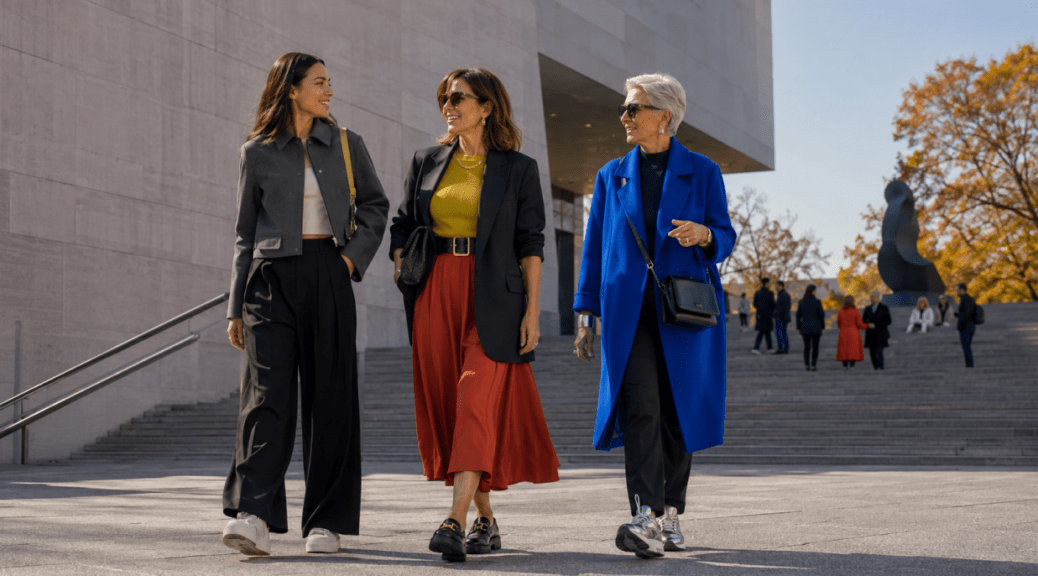
Miniskirts were supposedly for the young. Crop tops required a certain body. Platform sneakers belonged to teenagers. Bright colors, oversized jackets, leather trousers, statement jewelry, and experimental silhouettes were often treated as choices that women should gradually abandon as they got older.
Celebrity stylists Nicole Chavez and Kim Appelt are pushing back against that idea.
Let’s be brutally honest. Showing up to a professional photography session unprepared is like wearing sweatpants to a board meeting. It’s not a good look.
This isn’t about vanity. It’s about visual strategy. In a world that scrolls fast, your image is like a non-verbal handshake. It’s your silent thesis statement before you say a word.
Why a 30-day game plan? Because in our instant-gratification society, we’ve forgotten that … Read the rest
Welcome! Are you a recent graduate or looking to change careers? You might think personal branding is only for CEOs and influencers.
But here’s a secret—it’s your secret weapon. A strong, real personal brand sets you apart in a busy job market.
In this guide, we’ll show you how a solid personal brand, starting with a professional headshot, can cut your job search time. We aim to clear up … Read the rest