Religious dress accommodations sit at the point where personal belief, workplace image, and employer policy meet. For employers, the issue is not only legal exposure. It is also a brand trust issue: the way an organization handles a headscarf, beard, turban, religious garment, or other faith-related appearance practice tells employees and customers what kind of professionalism the organization truly values.
As a brand enhancement coach, I view workplace image rules … Read the rest
Creating a headshot is more than just standing in front of a camera. It’s about telling a story through your expression and posture. Ever noticed how some headshots grab your attention while others don’t? The secret often lies in the subtle art of preparation.
Think of your mirror as your first creative director. It’s brutally honest and ready to reveal the truth about your angles.
The first 30 seconds of meeting someone can influence how the rest of an interaction feels, but making a good first impression is not about memorizing a perfect handshake, forcing constant eye contact, or dressing more formally than everyone else in the room.
Recent workplace research points in a more useful direction: how you communicate matters at least as much as how you look.
Physician attire trust is not built by clothing alone, but clothing can still shape the first impression patients bring into a consultation. For clinicians, practices, hospitals, and healthcare communicators, the useful question is not whether every doctor should wear the same thing. The better question is how attire, setting, communication, and visual presentation work together to help patients feel oriented, respected, and safe.
Brand image clothing decisions can look small at the product level, yet they often carry meaning far beyond fabric, color, or seasonal timing. Target’s August 2026 costume controversy is a useful case for anyone who chooses clothing for a workplace, campaign, event, photo shoot, school activity, retail display, or public-facing role.
On August 25, 2026, Target pulled a children’s Halloween costume called “Kids’ Glows Under Blacklight Circus Clown” after critics … Read the rest
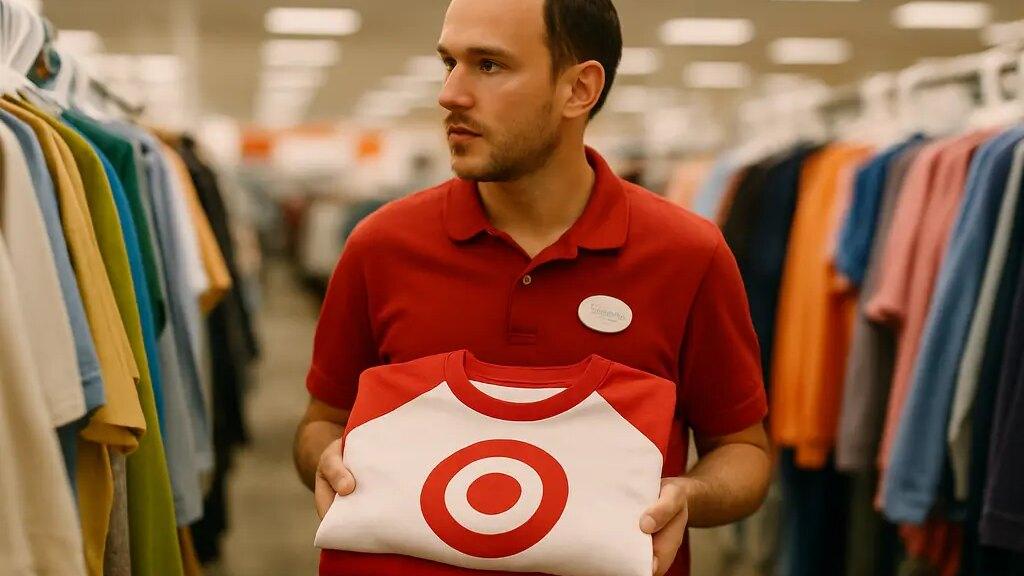
The Target dress code that took effect in July 2026 gave one of the most recognizable retail uniforms a firmer shape. For employees, the change was not only about red shirts and approved bottoms. It also affected how individual team members were seen by customers, how consistently the store image appeared, and how much room remained for personal expression at work.
Federal Hiring Appearance is a useful shorthand for a difficult question now facing agencies, contractors, and employers that take cues from federal practice: how should appearance, grooming, dress, and visual presentation be handled after the recent shift away from disparate-impact enforcement?
As a brand enhancement coach, I look at this from two angles. The first is compliance-aware image policy: what standards are being applied to candidates and employees. The second … Read the rest
Leadership communication gives corporate branding a human face. A company can have polished visuals, a strong website, and consistent marketing language, yet still feel unclear if leaders cannot explain what the organization stands for, how it creates value, and where it is headed.
As a brand enhancement coach, I often see the same problem from two angles. The message is too abstract, and the image does not help. A leader … Read the rest
Accurate image captions are not decorative extras. They tell readers who is present, what is happening, and why the image belongs with the surrounding content. The American Chemical Society has updated its guidance for inclusive images with practical direction on naming people, avoiding assumptions, using relevant identity details, and keeping descriptions clear, according to the ACS inclusive image guidance.
For personal branding, hiring pages, scientific communications, nonprofit updates, and … Read the rest
Let’s be blunt. That little square on your LinkedIn profile isn’t just a photo. It’s a visual handshake. A silent elevator pitch. A cultural artifact of your professional self, all crammed into 1080 pixels.
In today’s economy, attention is the hardest currency. Dressing for the digital shot isn’t vanity; it’s strategy. Your wardrobe is a semiotic toolkit, showing authority, approachability, and innovative thinking before you even hit “connect.”… Read the rest