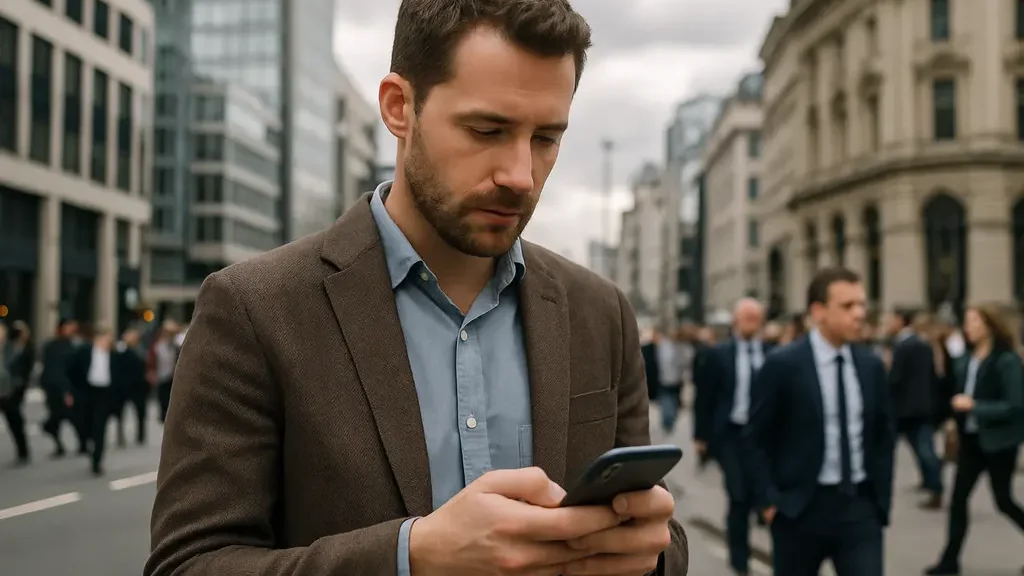
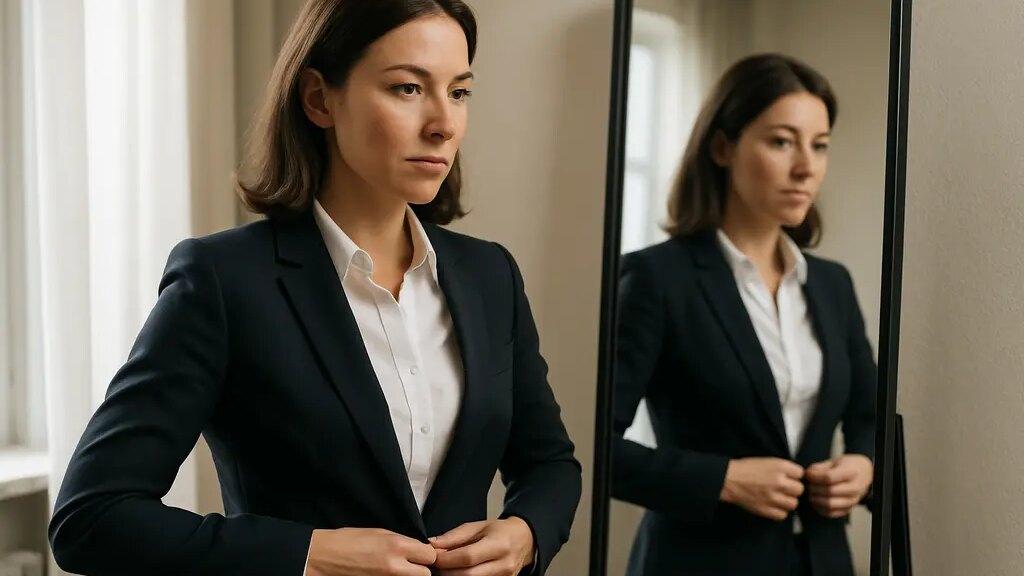
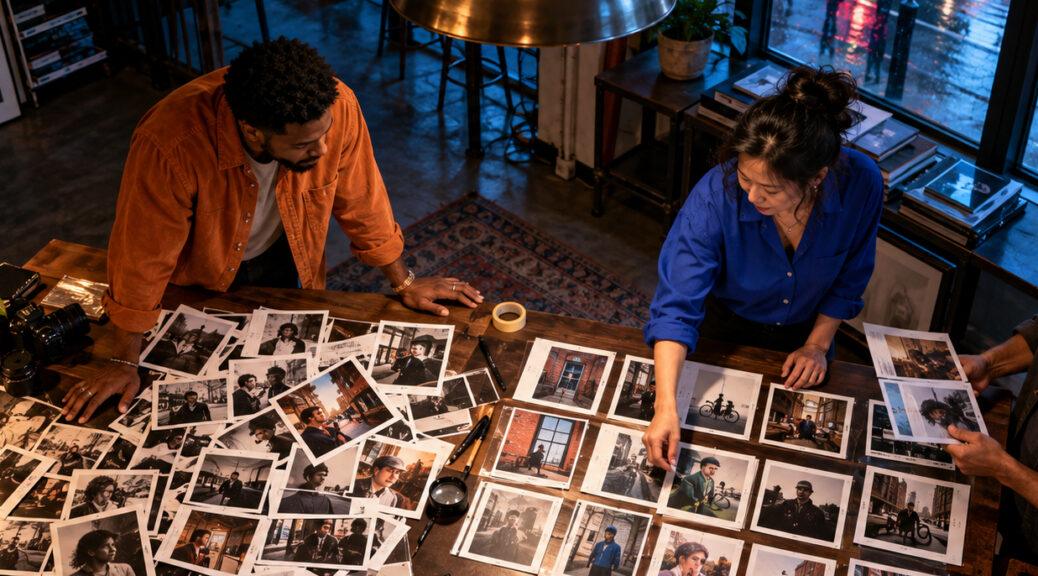
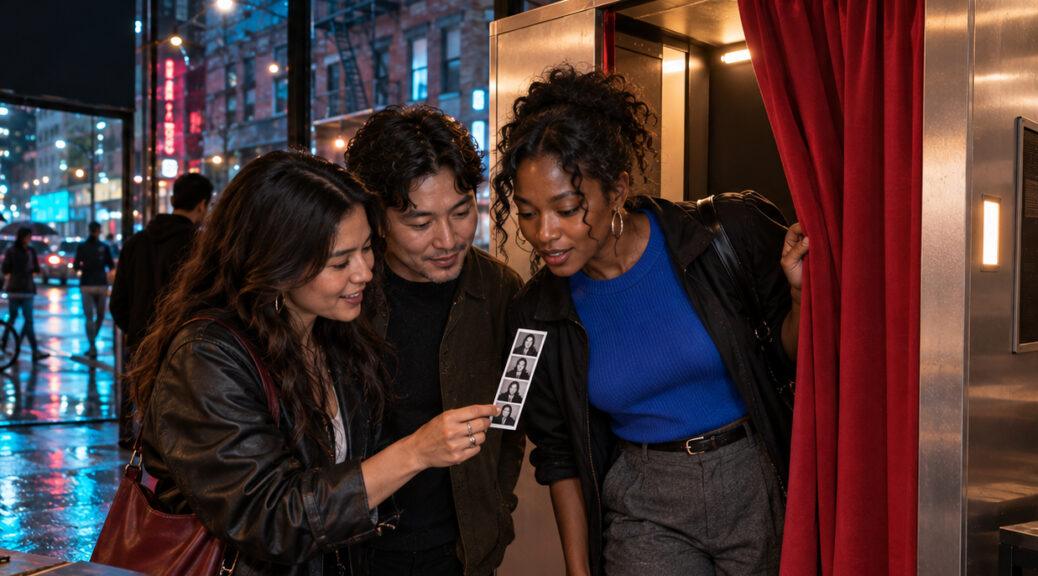
Employer dress codes are no longer just a question of suits, polos, or uniforms. They now sit at the intersection of comfort, identity, brand standards, and how people read credibility at work. For professionals, the practical challenge is not choosing between self-expression and polish. It is learning how to express personality while still fitting the visual expectations of the role, the workplace, and the moment.
Employee dress codes are not just style instructions. They are workplace communication tools, brand signals, and potential legal risk points. The September 2, 2026 Starbucks ruling did not give employers a blank check to control appearance, but it did show that courts may expect a real balance between business image and employee rights.
For a branding strategist, that balance matters. A uniform, apron, logo shirt, or pin rule can help … Read the rest
Dress code law belongs in any serious conversation about professional image because clothing standards do more than create a polished look. They can affect religious expression, gender presentation, race-related grooming practices, disability access, and day-to-day employee confidence. As a branding strategist, I see dress policies as brand tools, but they must be written and applied with care rather than treated as simple style preferences.
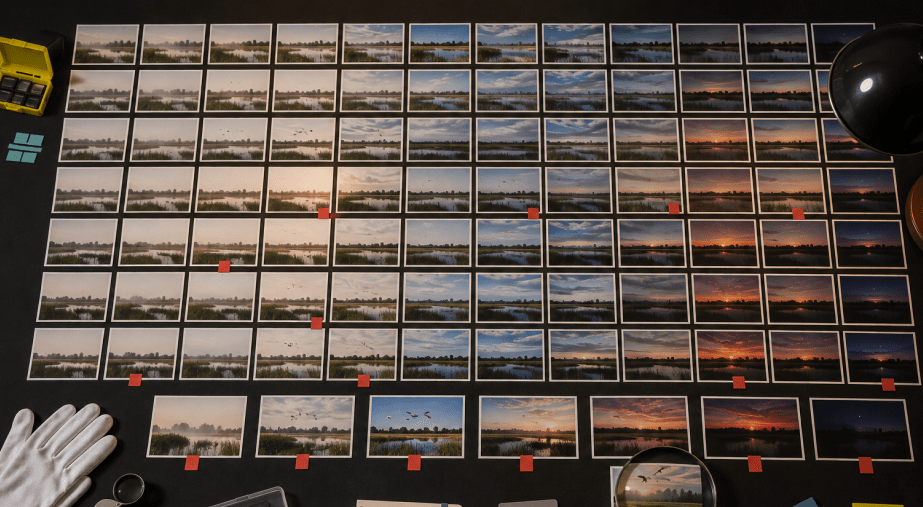
A photographer can spend hours deciding whether one image belongs in a portfolio.
Someone seeing the work for the first time may recognize the answer in seconds.
That difference is one reason professional photography still depends so heavily on critique, editing and portfolio reviews—even as cameras, software and artificial intelligence make it easier than ever to produce, sort and manipulate enormous numbers of images.
That process is particularly visible this … Read the rest
Ethical Branding Fashion is not only about the fabric a brand chooses. It is also about how leaders behave when pressure arrives, how clearly a brand explains its sourcing, and whether its public image matches its actions. The CFDA and PETA incident during New York Fashion Week offered a sharp reminder that personal conduct, material ethics, and crisis response can merge into one public brand story.
New York has no shortage of ways to make a portrait.
A phone can capture hundreds of images in minutes. A professional photographer can tether a camera to a computer and review every frame immediately. AI-powered editing tools can remove distractions, adjust expressions and transform backgrounds after the shutter has been pressed.
Yet at the International Center of Photography on Manhattan’s Lower East Side, one of the current attractions works … Read the rest
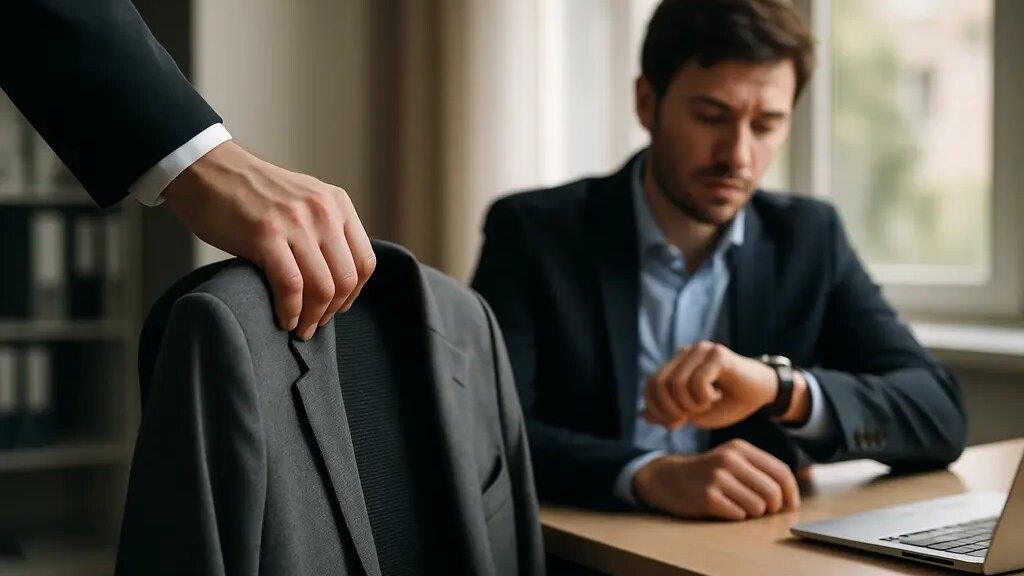
casual dress codes can make interview branding harder because the words sound relaxed, while the meeting still carries professional stakes. A candidate is not only choosing clothing; they are choosing how their judgment, self-awareness, and attention to context will be read before they answer the first question.
That does not mean every interview requires a suit. It does mean the outfit should support the message you want your posture, eye … Read the rest
Review page images should explain a service without making promises that the accompanying text cannot support. For businesses and creators developing their visual branding, the starting point is a brief that separates factual screenshots, illustrative photography, and decorative graphics. Before approving an image, check its source, permitted use, editing history, and the impression it creates beside the headline.
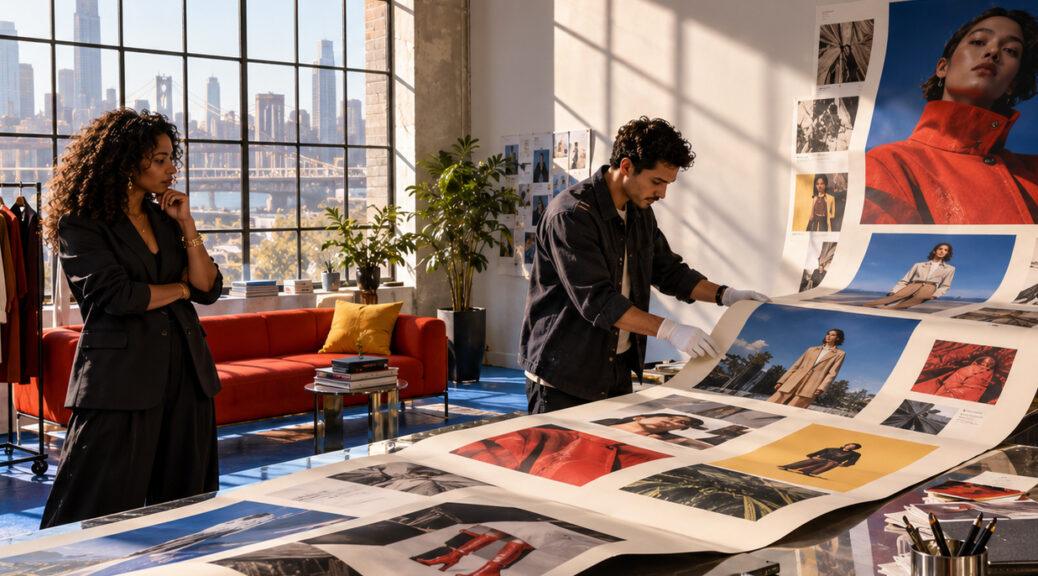
Fashion photography now lives overwhelmingly on screens. A campaign can appear on a retailer’s homepage in the morning, become an Instagram post that afternoon and be reformatted into vertical video before the day is over.
Nordstrom’s Fall 2026 designer campaign deliberately adds something much more physical to that system: paper.
The Seattle-based retailer launched “Friends of Friends” in September 2026, with photographer Ethan James Green shooting the campaign and … Read the rest
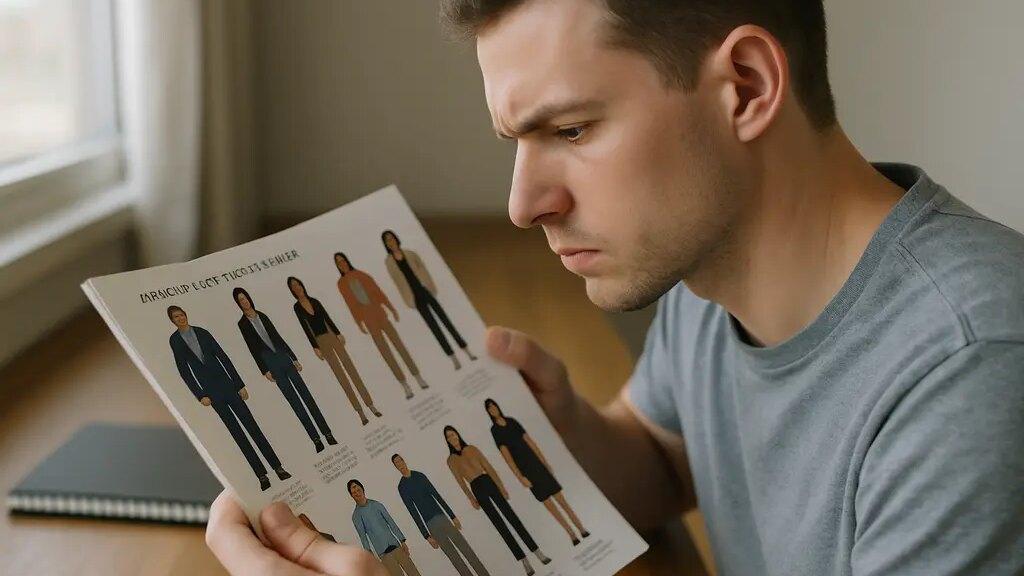
Interview attire norms have become harder to read because the visual language of work is less uniform than it used to be. A suit may still be right for some interviews, yet it can feel out of step in a team where the daily uniform is a hoodie, clean sneakers, and relaxed trousers. The goal is not to guess perfectly. The goal is to present a personal brand that looks … Read the rest